

Chrysler 300M Radiator Replacement Guide (1998-2004)
Keep your 3.5L V6 running cool by understanding common radiator problems and choosing the right replacement.
- The most common point of failure is a crack in the plastic side tanks.
- Always use a HOAT-formula coolant (like Zerex G-05) and never mix coolant types.
- It is highly recommended to replace the radiator cap and hoses at the same time as the radiator.
- An aftermarket radiator from a reputable brand like Denso, CSF, or Spectra can provide reliable performance for much less than an OEM part.
Signs of a Failing Radiator in Your 300M
A failing radiator can't cool your engine properly, which can lead to expensive damage if ignored. The most common issue on the 1998-2004 Chrysler 300M is the radiator developing a leak, often from the plastic side tanks which can crack after years of heat cycles. Watch for these clear warning signs:
- Engine Overheating: The most serious symptom. If you see the temperature gauge climbing into the red, or steam coming from under the hood, your radiator may not be working correctly.
- Visible Coolant Leaks: Finding puddles of bright green or orange liquid under the front of your car is a sure sign of a leak. This fluid has a distinct sweet smell. You might also see crusty, colorful deposits on the radiator itself where coolant has leaked and dried.
- Constantly Low Coolant: If you have to top off the coolant reservoir frequently, there is likely a leak somewhere in the system, even if you don't see it dripping.
- Sludge or Discoloration: If the coolant in your reservoir looks thick, rusty, or sludgy, it can indicate internal corrosion or that the radiator is clogged.
Check Your Hoses and Cap
Before replacing the entire radiator, inspect the upper and lower radiator hoses for cracks, bulges, or soft spots. A faulty radiator cap that can no longer hold pressure can also cause coolant loss and overheating. These are inexpensive parts to check first.
Choosing the Right Aftermarket Radiator
You don't need to buy an expensive OEM part from the dealer. Aftermarket radiators often meet or exceed original specifications, and some even offer design improvements. They typically fall into a few quality tiers.
Premium Aftermarket Brands
These brands often build radiators that are as good as or better than the original. They may feature stronger materials or more efficient cooling technology.
- CSF Radiator: Known for high-quality construction, CSF often uses steel crimps to strengthen the bond between the plastic tanks and aluminum core. They position themselves as a premium replacement, sometimes with all-aluminum options for other vehicles, which provides greater durability than the OEM plastic design.
- Koyorad & Nissens: These are well-respected brands in the cooling industry, known for producing reliable, OEM-quality parts that fit correctly.
- Denso: As a major OEM supplier for many car brands, Denso has a strong reputation for quality. While some users note that their aftermarket line may differ slightly from their OEM parts, they are generally considered a top-tier, reliable choice.
Standard & Economy Aftermarket Brands
These brands offer a great balance of price and quality, making them the most popular choice for typical repairs. They are designed to be direct, affordable replacements for the original radiator.
- Spectra: A very common aftermarket brand that provides a good value. While most users have no issues, some online forum discussions mention a shorter lifespan compared to premium brands.
- APDI & Global Parts: These brands offer reliable, budget-friendly options that meet OEM specifications for fit and function.
- Onix & One Stop Solutions: These are economy-focused brands that provide a functional replacement at the lowest price point, suitable for budget-conscious repairs.
A Note on Construction
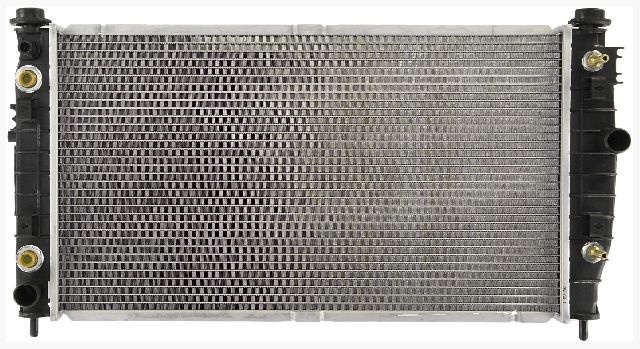
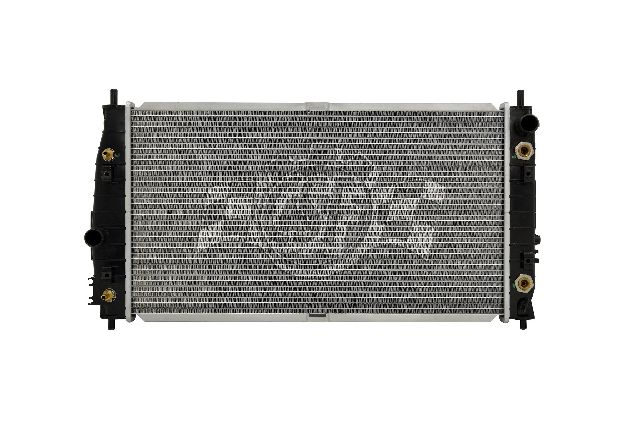
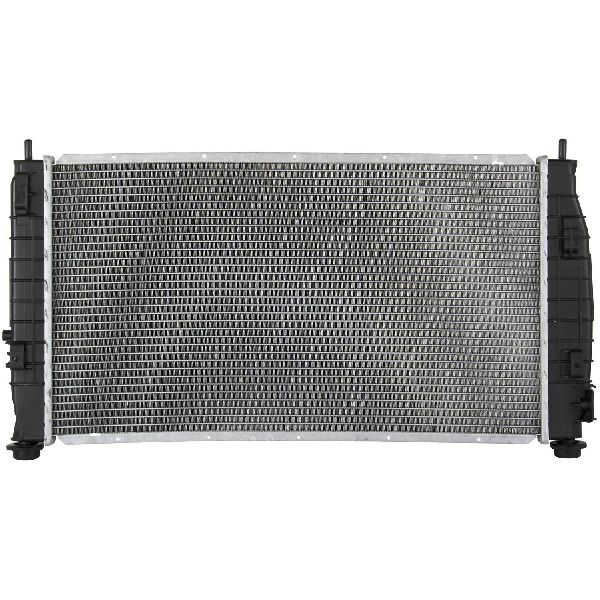
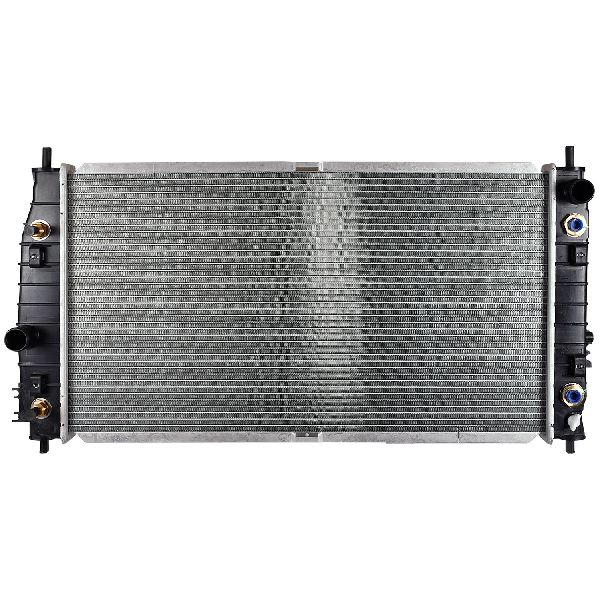
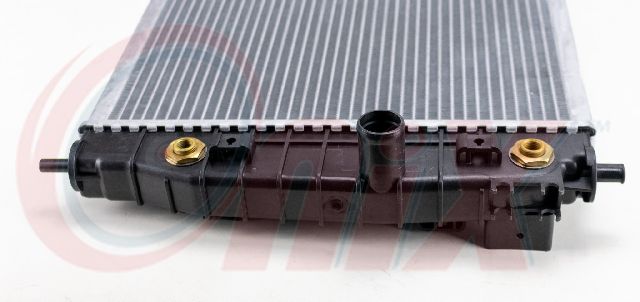
Nearly all direct-fit radiators for the 300M, including OEM and aftermarket, use an aluminum core with plastic side tanks. This design is cost-effective and works well, but the plastic is the most common failure point over time. While some premium brands like CSF offer all-aluminum radiators for performance cars, a quality plastic/aluminum unit is perfectly adequate for the 300M.
Cost of Replacing a Chrysler 300M Radiator
The total cost depends on whether you do the work yourself or hire a professional mechanic. The job is manageable for a DIYer with the right tools and some patience.
| Part or Service | Estimated Cost |
|---|---|
| New Aftermarket Radiator | $39.89 - $246.32 |
| Shop Labor | $220 - $322 |
| Total Professional Replacement | $260 - $568 |
Frequently Asked Questions
What type of coolant should I use in my 300M?
For the 1998-2004 Chrysler 300M, the recommended coolant is a Hybrid Organic Acid Technology (HOAT) fluid. Zerex G-05 is a commonly cited brand that meets this specification. Some early models may have used a green G11 coolant. It is critical not to mix different coolant types, as this can lead to accelerated corrosion and system blockages. If you are unsure what is in your system, a complete flush is the safest option.
Should I replace my radiator cap and hoses at the same time?
Yes, it is highly recommended. The radiator cap is a critical part that holds pressure in the system, and it's an inexpensive part to replace. Radiator hoses degrade over time and can become hard, brittle, or soft. Replacing them with the radiator is a smart preventive measure, as you already have to drain the coolant for the job.
Is there a recall on the 1998-2004 300M radiator?
No, there are no specific recalls from Chrysler or the NHTSA for radiator failure on the 1998-2004 Chrysler 300M. While there have been recalls for radiator fan circuits on other Chrysler vehicles, these do not apply to this specific model and year range.
Is it difficult to replace the radiator myself?
For someone with moderate mechanical skill, it is a feasible DIY project that can take a few hours. The basic steps involve draining the coolant, disconnecting the battery, removing the upper and lower hoses, detaching the cooling fan assembly, unbolting the radiator mounts, and then lifting the radiator out. You must then bleed the air out of the system after refilling it with new coolant.
Technical Specifications
OEM Part Numbers: 5170742AA
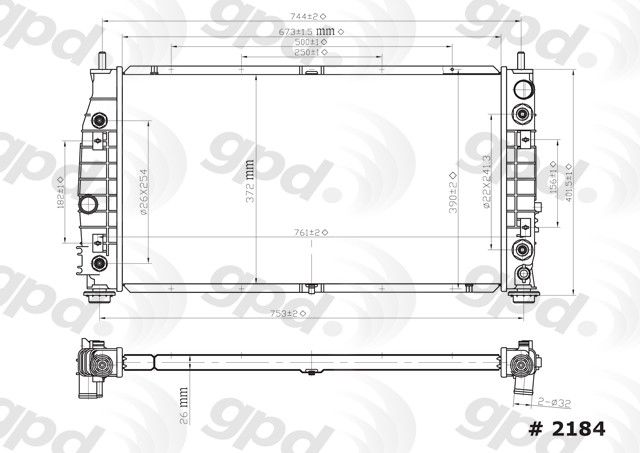
All models from 1998-2004 with the 3.5L V6 engine use the same radiator. It is a single-row, aluminum core design with plastic tanks and an integrated automatic transmission fluid cooler. Common aftermarket part numbers include Spectra CU2184, CSF 3364, and Koyorad A2184.
We Have This Part in Stock

The information in this article is provided for general reference and educational purposes only. Vehicle specifications, procedures, and part compatibility can vary by production date, trim level, and region. Always consult your vehicle's factory service manual and verify part numbers before purchasing or performing repairs. Safety-critical components such as airbags, seat belts, and braking systems should be installed by a qualified professional.
- Chrysler 300M: