

Dodge Durango 1998-2004 Automatic Transmission Output Speed Sensor Guide
Fix erratic shifting and a dead speedometer on your first-generation Dodge Durango by replacing the right sensor.
- A bad output speed sensor is a primary cause of erratic shifting, a dead speedometer, and a P0720 code.
- The correct sensor is on the driver's side of the transmission, not the one on the rear axle.
- Replacement is a simple, 1-bolt job that most owners can perform themselves in under 30 minutes.
- A quality aftermarket brand like NGK/NTK or Standard Ignition offers a reliable repair without the higher cost of an OEM part.
Is Your Durango Shifting Erratically?
A failing automatic transmission output speed sensor is a common problem on the first-generation Dodge Durango. The symptoms often appear suddenly and can make the vehicle feel unreliable. Because this sensor provides crucial data for gear shifting and speed readings, a failure will cause noticeable problems. The most common diagnostic trouble code (DTC) associated with this failure is P0720 - Output Speed Sensor Circuit Malfunction.
Common Ordering Mistake
Your Durango has two sensors that measure speed: the transmission output speed sensor (OSS) and a rear wheel speed sensor on the differential for the ABS system. A P0720 code specifically points to the transmission sensor. Replacing the sensor on the differential will not fix shifting problems or a P0720 code. The correct sensor is located on the driver's side of the transmission's tail housing.
Choosing the Right Aftermarket Sensor
For a part like this, you don't necessarily need to buy an expensive OEM part from the dealer. Several reputable aftermarket brands offer quality replacements that provide excellent performance and value. The key is to choose a brand with a good reputation for electronic components.
Brand Quality Tiers
- Premium Aftermarket (Recommended): Brands like NGK (NTK) and Standard Ignition (Standard Motor Products) are well-regarded for their sensors. They often use high-quality materials and robust testing procedures that meet or exceed original equipment standards. Choosing one of these brands is a solid investment for long-term reliability.
- Standard Replacement: Brands such as ATP and Pioneer Cable offer direct-fit replacements that get the job done at a lower price point. They are designed to function like the original part and are a good balance between cost and quality for a daily driver.
- Economy Options: Brands like Skyward and True Tech are budget-friendly choices. While they are the most affordable, their long-term durability and performance consistency are less documented. They can be a viable option if the budget is the primary concern.
| Part Type | Estimated Cost |
|---|---|
| New OEM (Mopar) | $50 - $75 |
| New Aftermarket | $13.98 - $49.90 |
| Shop Labor | $50 - $75 |
DIY Installation
Replacing this sensor is a very simple DIY job that most owners can do in under 30 minutes with basic hand tools. The sensor is held in by a single bolt and has one electrical connector. Doing it yourself can save you the cost of labor.
Frequently Asked Questions (FAQ)
Where is the output speed sensor located on a 1998-2004 Durango?
It is located on the driver's side of the transmission, near the rear where the driveshaft connects. It is held in by one bolt.
Can a bad output speed sensor prevent the transmission from shifting?
Yes. A common symptom is the transmission getting stuck in one gear, often referred to as "limp mode." It may also refuse to shift into overdrive at highway speeds.
Is the input speed sensor the same as the output speed sensor?
No, they are two different sensors, though they may look identical. The input sensor measures the speed of the transmission's input shaft. On some Durango transmissions, like the 45RFE (found with the 4.7L V8), the input and output sensors are the same part number and can be interchanged, but they are in different locations. The P0720 code specifically refers to the output sensor circuit.
What if replacing the sensor doesn't fix the problem?
If a new sensor doesn't solve the issue, the problem could be in the wiring or connector leading to the sensor, or in rare cases, the Powertrain Control Module (PCM) itself. Always inspect the wiring for damage or corrosion when replacing the sensor. On some vehicles, a software update for the Transmission Control Module (TCM) can resolve performance-related codes, though this is more common on newer models.
Technical Specifications
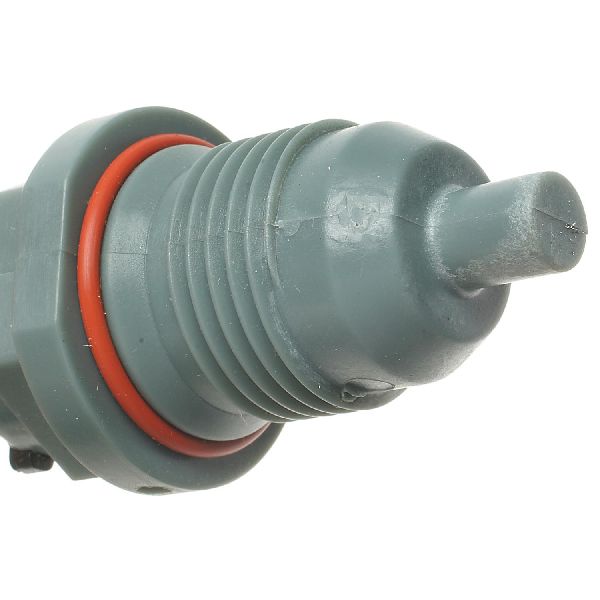
OEM Part Numbers: 4800879 04800879
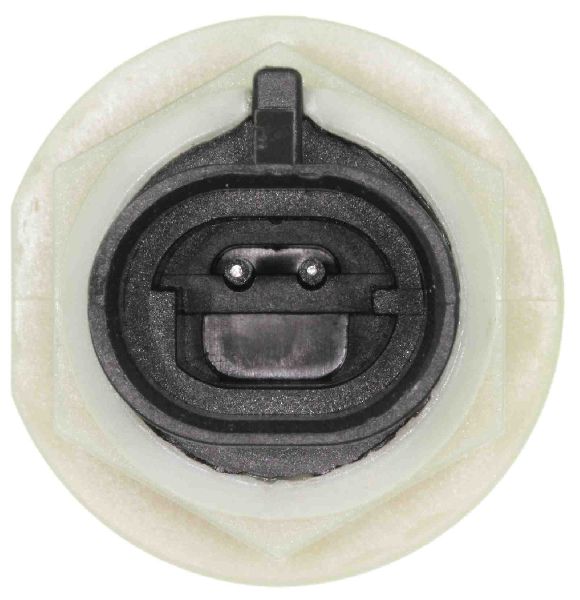
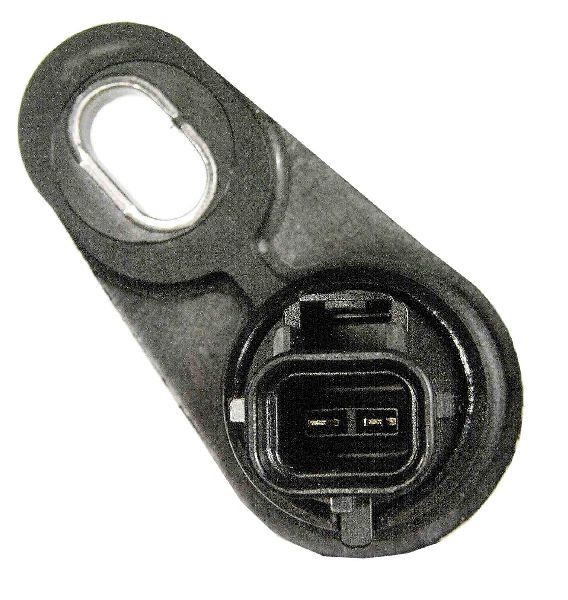
Connector Shape: Oval, Terminal Quantity: 2, Mount Type: 1-Bolt
We Have This Part in Stock


The information in this article is provided for general reference and educational purposes only. Vehicle specifications, procedures, and part compatibility can vary by production date, trim level, and region. Always consult your vehicle's factory service manual and verify part numbers before purchasing or performing repairs. Safety-critical components such as airbags, seat belts, and braking systems should be installed by a qualified professional.
- Dodge Durango: