

Engine Valve Cover Guide for the 1998-2004 Dodge Durango
Leaking oil and smelling something burning? Your valve covers might be the problem.
- A burning oil smell is the #1 symptom of a leaking valve cover gasket on a Durango.
- For 4.7L V8s, an oil leak into the spark plug tubes is a common cause of engine misfires.
- If you have an early 4.7L V8 with magnesium covers, upgrade to the newer plastic style covers for a better, long-term seal.
- The job is labor-intensive due to tight access, especially on the driver's side near the brake booster.
Is Your Durango's Valve Cover Leaking?
An oil leak from the valve cover is one of the most common problems on the first-generation Dodge Durango. Over time, the constant heat from the engine causes the original gaskets to become hard, brittle, and crack. This allows oil to seep out. Sometimes, the valve cover itself can crack or warp, especially if it was overtightened during a previous repair.
Common Symptoms of Failure
- Burning Oil Smell: This is the most obvious sign. Oil drips from the leaking cover onto the hot exhaust manifold below and burns off, creating a distinct smell that you may notice inside or outside the vehicle.
- Visible Oil Leaks: You will see wet, oily patches and caked-on grime on the side of the engine, directly below the edge of the valve cover.
- Smoke from Engine Bay: For heavier leaks, you might see light smoke coming from under the hood as oil burns on the exhaust.
- Engine Misfires (4.7L V8): The 4.7L engine has a "coil-on-plug" design. When the valve cover gasket leaks on this engine, oil can fill the spark plug tubes. This oil-soaked environment ruins the ignition coils and spark plugs, causing the engine to misfire, run rough, and trigger the Check Engine Light (codes P0300-P0308).
A Note on Magnum V8 Engines (5.2L & 5.9L)
These engines are famous for leaking intake plenum gaskets. This can cause oil to be burned inside the engine, leading to oil loss and performance issues that can be mistaken for a valve cover leak. If you have a Magnum engine, it's wise to check the intake plenum for pooling oil when you are inspecting your valve covers.
Choosing the Right Aftermarket Valve Cover
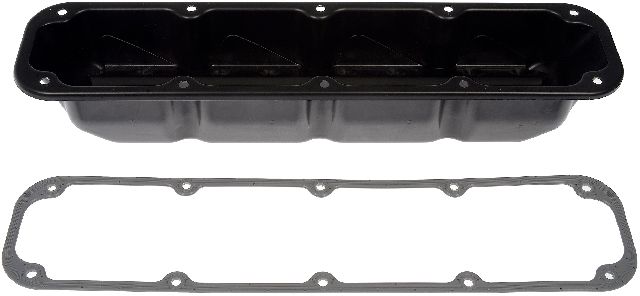
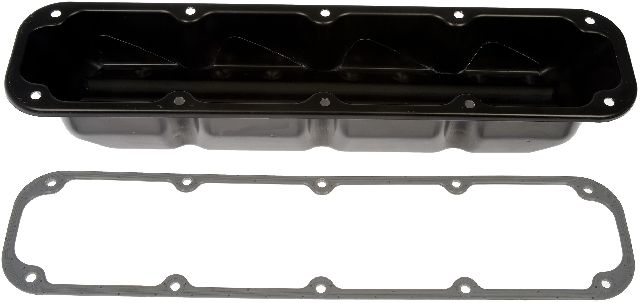
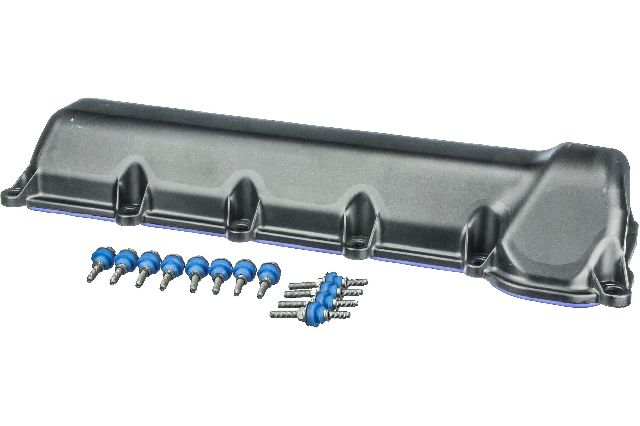
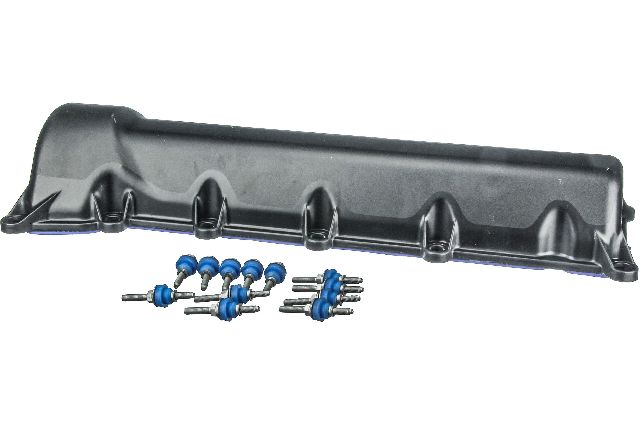
When you have a leak, you have to decide whether to replace just the gasket or the entire valve cover assembly. If the cover is made of plastic and is old, or if it's the original magnesium cover on an early 4.7L, it's often best to replace the whole unit. A new cover comes with a new, clean sealing surface and often includes a new gasket and bolts.
Pro Tip for 4.7L V8 Owners
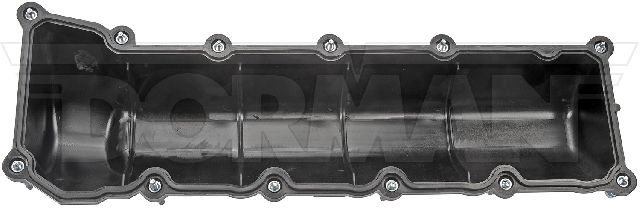
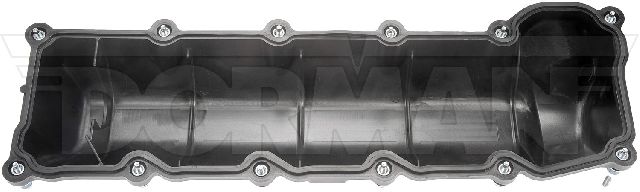
Early 4.7L engines used magnesium valve covers that were prone to warping and leaking. A very common and highly recommended upgrade is to replace them with the plastic valve covers from a later model ('05-'07) Dodge. These plastic covers provide a much better and more durable seal. Aftermarket brands often model their replacements on this improved plastic design.
Aftermarket Brand Quality
For a vehicle of this age, aftermarket parts offer excellent value. You don't need to pay a premium for an OEM part from a dealer.
- Dorman: Dorman is a well-known aftermarket brand that produces direct replacement valve covers. Their parts are designed to match the fit and function of the original and are a cost-effective solution. They are a reliable choice for a daily driver.
- URO Parts: URO Parts is another brand that offers replacement valve covers and gaskets. They are typically priced competitively and provide a viable alternative to other aftermarket options.
- Gasket-Only Brands (e.g., Fel-Pro): If your original covers are in good shape (not cracked or warped), you can just replace the gaskets. Fel-Pro is a highly regarded brand for gaskets and is often considered an upgrade over the original factory gaskets for their superior materials and design.
Cost to Replace a Dodge Durango Valve Cover
The cost can vary significantly based on which engine you have and local labor rates. The V8 engines have two valve covers, and the driver's side is often harder to access due to components like the brake booster. Prices are for a single valve cover and gasket replacement.
| Part/Service | Estimated Cost |
|---|---|
| New Aftermarket Valve Cover (with gasket) | $70 - $150 |
| New Aftermarket Gasket Set Only | $25 - $50 |
| Shop Labor | $140 - $800+ |
| Total Professional Job (Gasket Only) | $165 - $850+ |
| Total Professional Job (New Cover) | $210 - $950+ |
*Cost estimates are for a single side. V8 engines have two covers. Labor costs can be high, especially for the 5.2L/5.9L engines, with some estimates exceeding $900 for replacing both gaskets.
Frequently Asked Questions
Can I just tighten the valve cover bolts to stop the leak?
Sometimes, the bolts can become slightly loose, and re-torquing them to the factory specification (which is very low, around 13 ft-lbs) might temporarily slow a very minor seep. However, in most cases, the gasket is old, hard, and cracked, and tightening the bolts will not fix the leak and risks cracking the valve cover. A new gasket is almost always the correct fix.
Do I need to replace both valve covers on my V8 at the same time?
It is highly recommended. The gaskets on both sides are the same age and have been exposed to the same heat cycles. If one side has failed, the other is likely not far behind. Replacing both at once saves you from having to do the job twice.
Is any special sealant needed for the new gasket?
Yes. A small dab of RTV sealant is typically required at the sharp corners where the timing cover meets the cylinder head. The new gasket set instructions will show the exact locations. Do not apply sealant all the way around the gasket, as this can cause it to slip out of place and leak.
Why is the replacement job so expensive at a shop?
The cost is almost entirely labor. On the passenger side, wiring and A/C lines may need to be moved. On the driver's side, the brake booster is directly in the way, making it very difficult to remove the cover and install a new gasket without damaging it. Many mechanics will remove the brake booster to do the job correctly, which adds significant time.
Technical Specifications
OEM Part Numbers: 53021842AA 53021843AA
This guide covers valve covers for all engines in the 1998-2004 Dodge Durango: the 3.9L V6, 4.7L V8, 5.2L V8, and 5.9L V8. The 4.7L V8 uses different covers than the 3.9/5.2/5.9L Magnum engines. Early 4.7L engines used magnesium covers, while later models and aftermarket replacements are typically plastic.
We Have This Part in Stock

The information in this article is provided for general reference and educational purposes only. Vehicle specifications, procedures, and part compatibility can vary by production date, trim level, and region. Always consult your vehicle's factory service manual and verify part numbers before purchasing or performing repairs. Safety-critical components such as airbags, seat belts, and braking systems should be installed by a qualified professional.
- Dodge Durango:
- 🛍️ Shop This Part
- Is Your Durango's Valve Cover Leaking?
- Common Symptoms of Failure
- A Note on Magnum V8 Engines (5.2L & 5.9L)
- Choosing the Right Aftermarket Valve Cover
- Pro Tip for 4.7L V8 Owners
- Aftermarket Brand Quality
- Cost to Replace a Dodge Durango Valve Cover
- Frequently Asked Questions
- 🎟️ Get 5% Off