

Serpentine Belt Replacement Guide for 1998-2004 Dodge Durango
Keep your first-generation Durango running strong by understanding when and how to replace your serpentine belt.
- Inspect the belt at every oil change for cracks, fraying, or glazing.
- A squealing noise is the most common warning sign and should not be ignored.
- For long-term reliability, replace the belt tensioner and idler pulleys at the same time as the belt.
- If the belt breaks, you will lose power steering and the engine will overheat; pull over immediately.
Is Your Durango's Serpentine Belt About to Fail?
A serpentine belt is a critical wear-and-tear item. Over time, the rubber becomes hard and brittle from heat and use. You should visually inspect the belt at every oil change for signs of trouble. Look for cracks, fraying, missing chunks, or a shiny, glazed appearance on the belt's surface. Any of these signs mean it's time for a replacement, even if you don't have other symptoms yet.
Symptoms of a Bad Serpentine Belt
Your Durango will usually give you a few warnings that the serpentine belt is on its way out. Ignoring them can lead to a sudden breakdown.
- Squealing Noises: A high-pitched squeal or chirp from the engine bay, especially on startup or when turning the steering wheel, is the most common symptom. 🎬 Watch this video to help identify where your engine squeak is coming from. This noise means the belt is slipping on the pulleys.
- Accessory Problems: You might notice your air conditioning isn't blowing cold, the power steering feels stiff, or the battery warning light comes on. This happens because the belt isn't properly driving the A/C compressor, power steering pump, or alternator.
- Overheating: The serpentine belt drives the water pump. If the belt slips or breaks, the engine can overheat quickly, leading to serious and expensive damage.
A Note on the Belt Tensioner
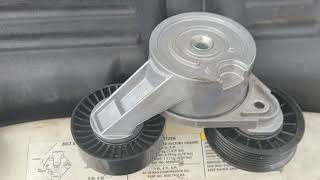
Often, a squealing noise isn't just the belt. It can be caused by a weak or failing belt tensioner. The tensioner is a spring-loaded pulley that keeps the belt tight. If the tensioner is bad, it will cause even a new belt to slip and wear out prematurely. It is highly recommended to replace the belt tensioner and any idler pulleys at the same time as the serpentine belt, especially on high-mileage vehicles.
🎬 See how to replace the belt and tensioner on a 4.7L engine.Choosing the Right Aftermarket Serpentine Belt
You don't need to buy an expensive OEM Mopar belt to get reliable performance. Many aftermarket brands are OEM suppliers themselves and offer excellent quality, often at a better price. For a domestic truck like the Durango, brands like Gates, Continental, and Dayco are trusted choices.
- Premium Brands (Gates, Continental): These brands are widely regarded as top-tier and are often the original equipment manufacturer for many vehicles. They use high-quality EPDM rubber compounds that resist heat and cracking, providing the longest service life. For peace of mind, choosing a belt from Gates or Continental is a solid investment.
- Standard Brands (Dayco, INA): Dayco is another well-known brand that offers reliable, quality belts that meet or exceed OEM specifications. They are a great balance of price and performance for daily driving. INA is also a reputable manufacturer, often known for tensioners and pulleys.
- Economy/Specialty Brands (Crown Automotive): Crown Automotive specializes in parts for Chrysler, Dodge, and Jeep vehicles. While they can be a budget-friendly option, for a critical part like a serpentine belt, sticking with a dedicated belt manufacturer like Gates or Continental is generally recommended for maximum durability.
Pro Tip: Check Your Engine
The 1998-2004 Durango came with several engines (3.9L V6, 4.7L V8, 5.2L V8, 5.9L V8). The exact length and routing of the serpentine belt can vary depending on your engine and whether you have air conditioning. Always verify the correct part number for your specific vehicle configuration before purchasing.
Frequently Asked Questions
How often should I replace my Durango's serpentine belt?
As a general rule, serpentine belts should be inspected regularly and replaced every 60,000 to 90,000 miles, or sooner if you see signs of wear. In harsh climates with extreme heat or cold, the rubber can degrade faster.
Can I replace the serpentine belt myself?
Yes, this is a very DIY-friendly job for a 1st generation Durango. The main tool needed is a 15mm wrench or a ratchet with a long handle to release the belt tensioner. Always make a drawing or take a picture of the belt routing diagram (usually on a sticker under the hood) before you start.
🎬 Watch a step-by-step belt replacement walkthrough for 5.2L and 5.9L V8 engines.Do I need to replace the tensioner and pulleys with the belt?
It's strongly recommended. A worn tensioner can't keep proper tension, causing noise and premature wear on a new belt. Worn idler pulley bearings can also seize and destroy the new belt. Replacing them all at once as a kit is smart preventative maintenance.
What happens if my serpentine belt breaks while driving?
You will immediately lose power steering, making the vehicle very difficult to turn. The alternator will stop charging the battery, and the water pump will stop circulating coolant, causing the engine to overheat rapidly. You should pull over safely as soon as possible and shut off the engine to prevent damage.
Helpful Videos
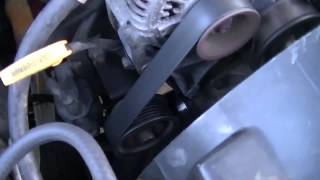
Technical Specifications
OEM Part Numbers: 53010303 53010304 53032380AD
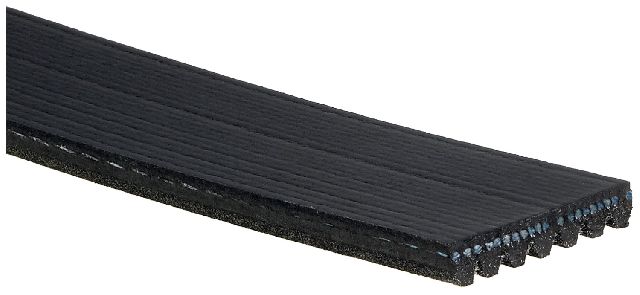
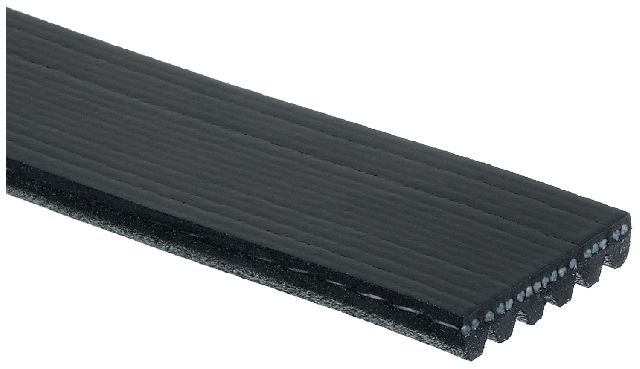
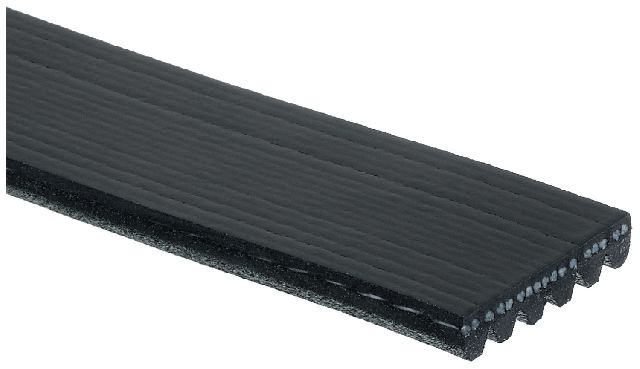
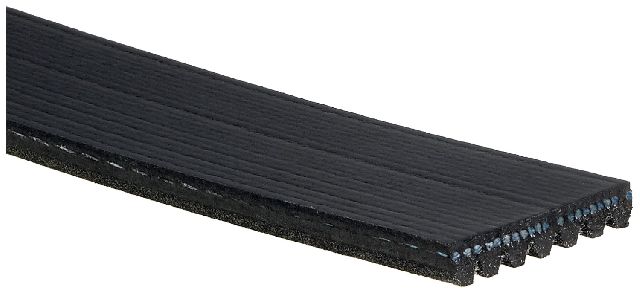
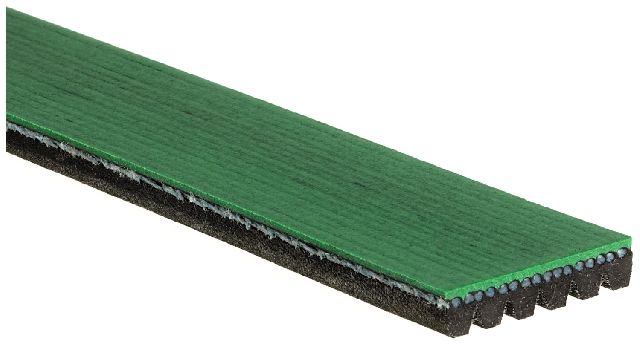
Belt length and number of ribs vary by engine size (3.9L, 4.7L, 5.2L, 5.9L) and the presence of A/C. Always confirm the correct part for your specific vehicle configuration.
We Have This Part in Stock

The information in this article is provided for general reference and educational purposes only. Vehicle specifications, procedures, and part compatibility can vary by production date, trim level, and region. Always consult your vehicle's factory service manual and verify part numbers before purchasing or performing repairs. Safety-critical components such as airbags, seat belts, and braking systems should be installed by a qualified professional.
- Dodge Durango: