

Choosing the Right Shocks for Your 1998-2004 Dodge Durango
Get the facts on replacing the shocks on your first-generation Dodge Durango to restore its ride and handling.
- Worn shocks cause a bouncy ride, nose-diving, and can make the Durango feel unstable, especially when hitting bumps in a turn.
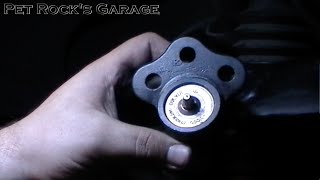
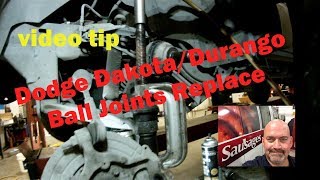
- When replacing shocks, inspect the front upper ball joints, as they were a recall item on 2000-2003 4x4 models.
- For heavy use like towing, upgrade to a monotube shock from brands like Bilstein or KYB for better control and durability.
- Replacement is a straightforward DIY job, typically requiring only basic hand tools and no spring compressor.
Is Your Durango's Ride Getting Bouncy?
As a first-generation (1998-2004) Dodge Durango gets older, its original shock absorbers wear out. This is a gradual process, so you might not notice it at first. But if you're experiencing a bouncy, uncontrolled ride, excessive body roll on corners, or the front end diving hard when you brake, it's a clear sign your shocks are tired and need replacement. Another tell-tale sign is a 'sideways' feeling or skip when hitting a bump mid-turn, a common complaint from owners of this specific Durango model.
Known Suspension Issues: Ball Joints
While not directly about shocks, it's critical to know that 2000-2003 Dodge Durango 4x4 models were recalled for premature wear on the front upper ball joints. Worn ball joints can cause clunking noises and, in severe cases, could lead to suspension separation. When you're replacing your shocks, it is the perfect time to have a mechanic inspect the upper and lower ball joints for any signs of wear or damage.
Choosing the Right Aftermarket Shocks
You don't need to buy expensive OEM (Original Equipment Manufacturer) shocks to get good performance. The aftermarket offers a wide range of quality options that often provide better performance than the stock parts, especially for a vehicle of this age. The key is to choose a shock that matches your driving style and needs.
Brand Tiers for Your Durango
Based on owner feedback and brand reputation, we can group the available brands into tiers:
- Premium Performance (Heavy-Duty & Off-Road): Brands like Bilstein and Rancho are top-tier choices for the Durango. Bilstein's B6 4600 series is a popular monotube shock that offers a significant improvement in handling, stability, and ride comfort over factory shocks, making it great for daily driving, towing, and off-road use. Rancho, particularly the RS5000X series, is also highly regarded for both on-road comfort and off-road durability.
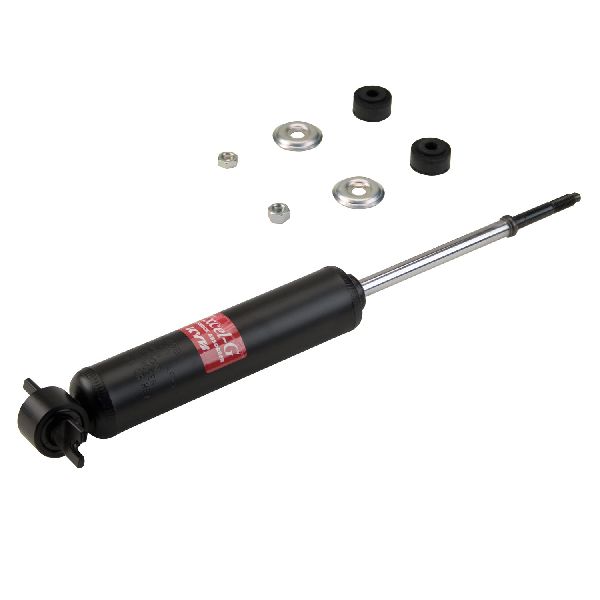
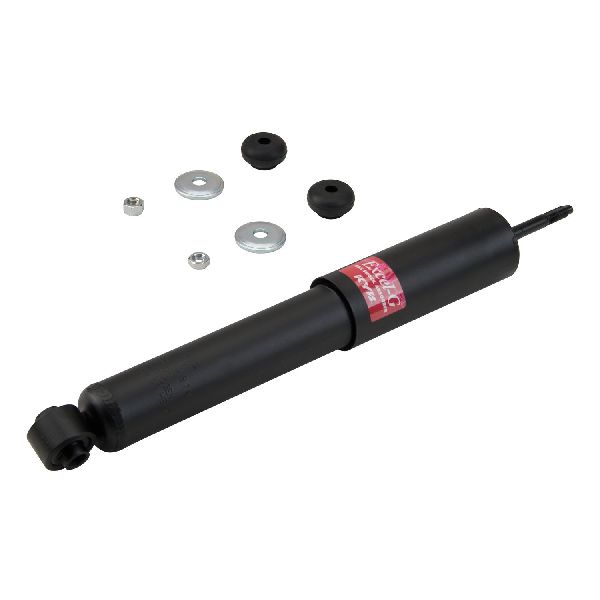
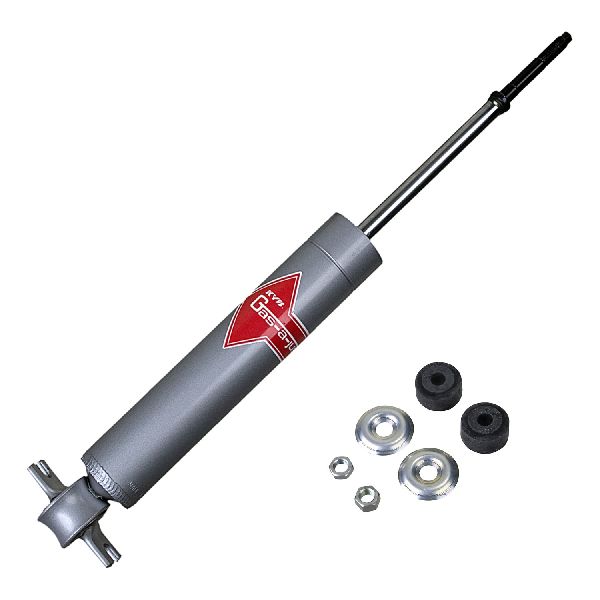
- Standard Replacement (OEM-Style): KYB and Monroe are excellent choices if you want to restore the original ride quality or get a slight upgrade. KYB's Gas-a-Just is a monotube shock that offers a firmer, more controlled ride than stock, while their Monomax line is a heavy-duty option for towing and hauling. Monroe's Sensa-Trac and Reflex lines are popular for providing a smooth, comfortable ride for daily driving.
- Budget-Friendly: Brands like FCS and PRT offer a low-cost alternative for getting your Durango back on the road. While they may not have the longevity or advanced damping technology of the premium brands, they are a functional replacement for a vehicle on a budget.
Monotube vs. Twin-Tube
You'll see shocks described as 'monotube' or 'twin-tube'. For a heavy SUV like the Durango, a monotube design (like those from Bilstein and KYB Gas-a-Just) is generally superior. They handle heat better and provide more consistent, fade-free performance, which is especially important when towing or driving on rough roads.
| Brand Tier | Price Range (Per Shock) | Best For |
|---|---|---|
| Budget (FCS, PRT) | $28 - $50 | Basic transportation, restoring function |
| Standard (Monroe, KYB) | $45 - $90 | Daily driving, light towing, OEM-like feel |
| Premium (Bilstein, Rancho) | $90 - $150 | Towing, hauling, off-road, improved performance |
Frequently Asked Questions
Is it hard to replace the shocks on a 1998-2004 Durango?
No, it's a relatively straightforward job for a DIYer with the right tools. The shocks are separate from the springs, so you don't need a spring compressor. The front and rear shocks are typically held in by two bolts each. You'll need basic hand tools like sockets, ratchets, and wrenches (commonly 15mm and 18mm). Applying penetrating oil to the bolts beforehand is highly recommended, as they can be rusty.
Should I replace all four shocks at once?
Yes, it is always recommended to replace shocks in pairs (both fronts or both rears) at a minimum. For the best and most balanced performance, you should replace all four at the same time. This ensures that the damping is even across the vehicle, providing predictable handling and stability.
Do I need a wheel alignment after replacing shocks?
Typically, you do not need a wheel alignment after replacing only the shock absorbers on this generation of Durango. The shocks are not a primary locating component for the suspension geometry. However, if you are also replacing other components like control arms or ball joints, an alignment is highly recommended.
What are the best shocks for towing with my Durango?
For towing, you should choose a heavy-duty, monotube shock. The Bilstein B6 4600, KYB Monomax, and Rancho RS5000X are all excellent choices. They provide better control over the added weight of a trailer, reduce sag, and manage heat more effectively for improved safety and stability at highway speeds.
Helpful Videos

Technical Specifications
The 1998-2004 Dodge Durango uses a separate shock absorber and spring suspension design. The front suspension utilizes torsion bars, while the rear uses leaf springs. Shocks are a simple eyelet-to-stem or eyelet-to-eyelet mount, making replacement straightforward.
We Have This Part in Stock


The information in this article is provided for general reference and educational purposes only. Vehicle specifications, procedures, and part compatibility can vary by production date, trim level, and region. Always consult your vehicle's factory service manual and verify part numbers before purchasing or performing repairs. Safety-critical components such as airbags, seat belts, and braking systems should be installed by a qualified professional.
- Dodge Durango: