

A Guide to Spark Plugs for the 1998-2004 Ford F-150
Avoid common engine problems and keep your F-150 running strong by choosing the right spark plugs.
- The 4.6L and 5.4L V8 engines are known for spark plugs blowing out due to limited threads in the aluminum heads.
- Using a torque wrench is not optional; it is critical to prevent both over-tightening and under-tightening.
- Stick with Motorcraft, Autolite, or NGK plugs for the best reliability and compatibility.
- A flashing check engine light indicates a severe misfire; stop driving to avoid expensive catalytic converter damage.
Understanding Spark Plugs in Your 10th Gen F-150


If you own a 1998-2004 Ford F-150, you know it’s a dependable truck. But even the toughest trucks need regular maintenance. Worn-out spark plugs can cause a range of problems, from annoying to severe. Replacing them is part of keeping your engine healthy, but for the 4.6L and 5.4L 2-valve V8 engines in this generation, there are some specific issues to be aware of.
A Major Known Issue: Spark Plug Blowout
The most significant known issue for the 1998-2004 F-150 with the 4.6L and 5.4L 2-valve Triton V8 engines is spark plug blowout. This happens because the aluminum cylinder heads have very few threads holding the spark plugs in place. Over time, these threads can weaken, causing the spark plug to be violently ejected from the engine. This can damage the ignition coil and the cylinder head itself, leading to a very expensive repair. Often, a ticking noise that sounds like an exhaust leak is a warning sign that a plug is loose and about to blow out. Using the correct torque (9-15 ft-lbs) during installation is critical to prevent this.
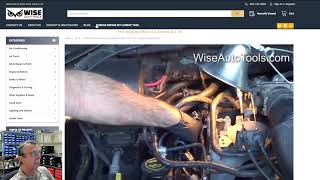
🎬 Watch: Important update on the correct torque specifications.Choosing the Right Aftermarket Spark Plugs

When it's time for a replacement, you have several options. While OEM Motorcraft plugs are a safe bet, high-quality aftermarket brands can offer similar or even better performance.
Brand Tiers for Your F-150
- OEM & OEM-Equivalent: Motorcraft is the original part manufacturer and the most recommended choice in owner forums. Brands like Autolite and NGK are often the actual manufacturers for Motorcraft, making them excellent, reliable alternatives. Sticking with these brands ensures you get a plug designed specifically for your truck's engine.
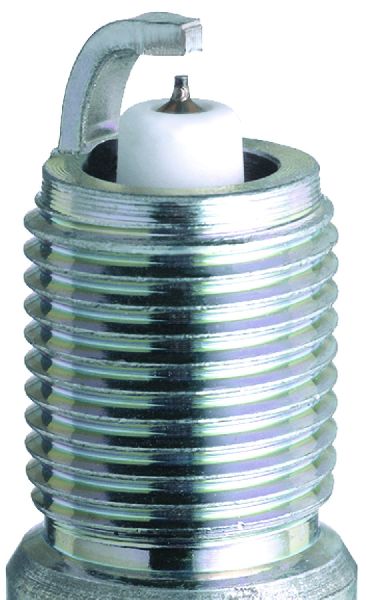
- Top-Tier Aftermarket: Denso and NGK (sold under their own name) are highly respected brands that often feature advanced materials like iridium. Owners who upgrade to these often do so for longevity and performance, especially if they plan on keeping the truck for a long time.
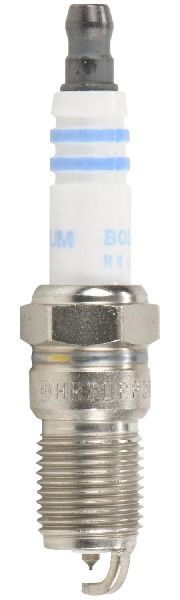
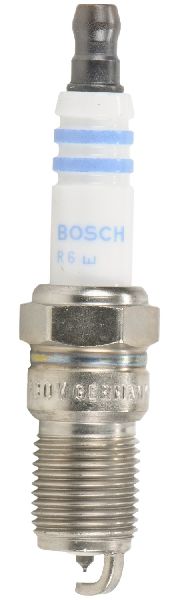
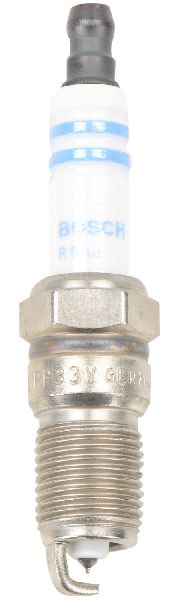
- Standard Aftermarket: Brands like Champion and Bosch offer reliable, budget-friendly options that meet or exceed basic requirements. They are a solid choice for a standard replacement.
- Budget-Friendly: Brands like Accel and Skyward are typically the most affordable. While they will get the job done, their lifespan and material quality may not match the more premium brands.
| Material | Typical Lifespan | Best For |
|---|---|---|
| Copper | 30,000 miles | Basic, reliable performance. Requires more frequent changes. |
| Platinum / Double Platinum | 60,000 - 100,000 miles | A great balance of longevity and performance. Many OEM plugs for this truck are platinum. |
| Iridium | 100,000+ miles | Longest life and most consistent spark. A good investment if you want to 'set it and forget it'. |
Pro Tip: Use a Torque Wrench and Anti-Seize
To prevent the infamous spark plug blowout, it is absolutely essential to use a torque wrench and tighten the plugs to the factory specification. Applying a small amount of anti-seize compound to the threads can make future removal easier, but be sure to reduce the torque value slightly to compensate. Also, use dielectric grease inside the coil boot to ensure a good connection and prevent it from getting stuck.
Frequently Asked Questions (FAQ)

How often should I change the spark plugs on my 1998-2004 F-150?
The recommended interval is typically every 60,000 to 100,000 miles for platinum or iridium plugs. However, given the spark plug blowout issue, many owners choose to inspect them more frequently, around every 30,000 miles, to ensure they are properly torqued.
What happens if a spark plug blows out?
A blowout is very loud and results in an immediate loss of power and a rough-running engine. The ejected plug often destroys the ignition coil. To fix it, a special thread insert kit (like a Heli-Coil, Time-Sert, or Cal-Van kit) must be used to repair the damaged threads in the cylinder head. This is a much more complex and costly repair than a standard plug change.
🎬 See how to permanently repair a blown out spark plug.Is it hard to change the spark plugs on this F-150 myself?
The job itself is straightforward for someone with mechanical experience, but the risk of thread damage is high. Accessing the rear plugs, especially on the passenger side, can be difficult and may require removing the fuel rail and other components. Due to the risk of causing a blowout or stripping threads, many owners leave this job to a professional who is familiar with the Triton engine's quirks.
Are there any recalls for this spark plug issue?
No, there have been no official NHTSA recalls for the spark plug blowout issue. However, Ford did issue a Technical Service Bulletin (TSB 07-21-2014) that acknowledges the problem of stripped threads on 4.6L and 5.4L 2V engines and provides an authorized repair procedure using thread inserts for non-warranty repairs.
Helpful Videos
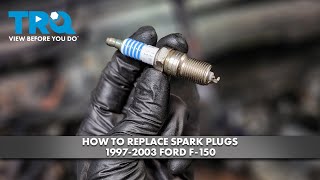
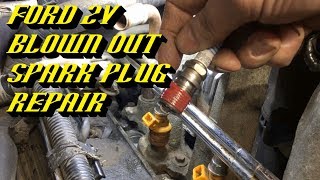
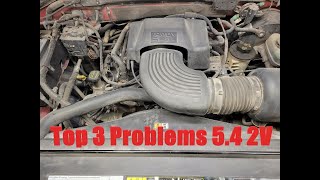
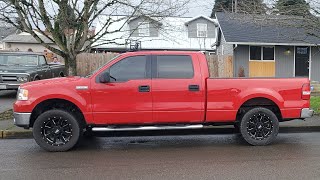
Technical Specifications
OEM Part Numbers: SP-479 SP-507-X
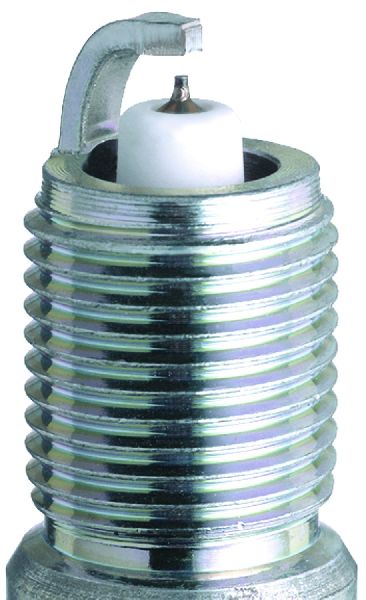
The 1998-2004 F-150 with the 4.6L and 5.4L 2-valve Triton engines uses a 14mm spark plug with a 5/8 inch hex. The most critical issue is the short thread depth in the aluminum cylinder heads, which can lead to spark plug blowouts if not torqued correctly (9-15 ft-lbs). The later 3-valve engines (starting in some 2004 models) have a different, two-piece plug design that is known for breaking upon removal, which is a separate issue not affecting most trucks in this year range.
We Have This Part in Stock

The information in this article is provided for general reference and educational purposes only. Vehicle specifications, procedures, and part compatibility can vary by production date, trim level, and region. Always consult your vehicle's factory service manual and verify part numbers before purchasing or performing repairs. Safety-critical components such as airbags, seat belts, and braking systems should be installed by a qualified professional.
- Ford F-150: