

Engine Coolant Temperature Sensor Guide for the 1998-2004 Isuzu Rodeo
Understand, diagnose, and choose the right replacement Engine Coolant Temperature Sensor for your Rodeo.
- A failing ECT sensor on a Rodeo can cause poor fuel economy, overheating, rough idle, and a Check Engine Light.
- The sensor is located on the rear coolant crossover pipe (V6) or intake manifold (4-cyl) and is a simple DIY replacement.
- Choose a quality aftermarket brand like Delphi, NGK, or Beck Arnley for reliability, as faulty replacements can complicate diagnosis.
- Always check the sensor's electrical connector for damage, as a bad connection can mimic sensor failure.
Is Your Rodeo's Coolant Temp Sensor Failing?

A bad Engine Coolant Temperature (ECT) sensor can cause a surprising number of problems in your 1998-2004 Isuzu Rodeo. Because the sensor's reading affects so many engine functions, a false signal can lead the computer to make poor decisions. You might notice one or more specific symptoms if your ECT sensor is on its way out.
Key Failure Symptoms
- Check Engine Light: This is often the first sign. The computer detects a signal from the sensor that is out of the expected range and triggers a fault code. Common codes include P0115, P0117, and P0118. 🎬 Watch: A deep dive into diagnosing P0117 and P0118 codes.
- Poor Fuel Economy: If the sensor incorrectly tells the computer the engine is cold, the system will inject more fuel than needed. This rich fuel mixture wastes gas and can lead to black smoke from the exhaust.
- Engine Overheating or Running Too Cool: A faulty sensor might fail to trigger the cooling fans when needed, leading to overheating. Conversely, if the sensor is stuck on a "hot" reading, your temperature gauge might read high instantly, or if it's stuck "cold," the gauge may never reach the normal operating temperature.
- Hard Starting & Rough Idle: The wrong temperature reading can make it difficult for the engine to start, especially when cold. It can also cause a shaky or unstable idle as the computer struggles to find the right air-fuel mixture.
Don't Ignore an Overheating Engine
While a bad sensor can cause a false overheating signal on your dash gauge, it can also cause actual overheating by failing to activate the cooling fans. If you see the temperature gauge in the red or notice steam from the engine, pull over safely as soon as possible to prevent severe engine damage.
Choosing the Right Aftermarket ECT Sensor

Since Isuzu no longer sells vehicles in the US, genuine OEM parts can be difficult to find. Luckily, many high-quality aftermarket brands are available. For a critical sensor like the ECT, it's wise to avoid the cheapest options, as a bad sensor right out of the box can make diagnosis a nightmare. Aftermarket parts are generally categorized into different quality tiers.
Brand Quality Tiers
- Tier 1: Premium & OEM Suppliers (ACDelco, Beck Arnley, Delphi, NGK): These brands often have a history as Original Equipment suppliers for various automakers, including GM, which had a partnership with Isuzu. Delphi, for example, highlights its OE heritage and strict manufacturing processes. Beck Arnley focuses on import-specific parts, and NGK (under the NTK brand) is a trusted name in engine sensors. These are your most reliable choices for fit and long-term performance.
- Tier 2: Reputable Aftermarket (Standard Ignition, Walker Products, Hella, Facet): Brands like Standard Ignition (also sold as Standard Motor Products) and Walker are well-established in the aftermarket and produce reliable components. They offer a good balance of quality and price.
- Tier 3: Value Brands (Four Seasons, Holstein, Vemo, etc.): These brands focus on affordability. While they can be a budget-friendly solution, their consistency and longevity might not match the higher-tier brands. For a sensor this critical and inexpensive to begin with, investing in a Tier 1 or Tier 2 brand is recommended.
Check the Connector
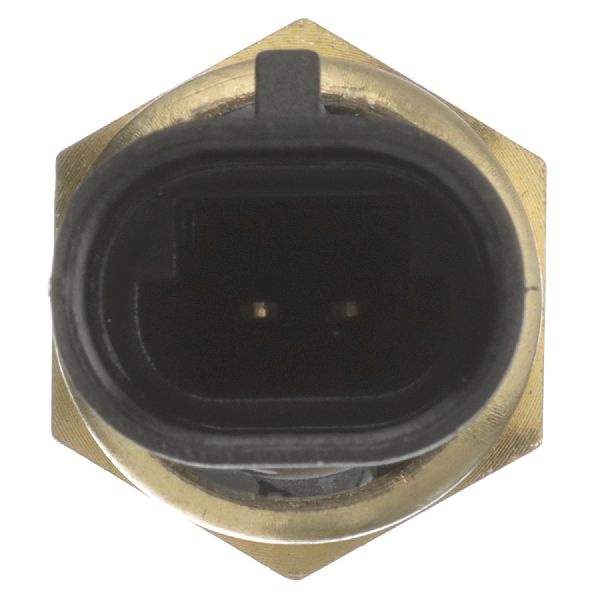
Over time, the plastic connector for the ECT sensor can become brittle and break during replacement. Inspect your connector when you replace the sensor. If it's cracked or damaged, it's a good idea to replace it as well to ensure a solid electrical connection.
Cost of Replacing the ECT Sensor on a 1998-2004 Isuzu Rodeo

Replacing the ECT sensor is one of the more affordable repairs you can perform on your Rodeo. The part itself is inexpensive, and labor is minimal.
| Part/Service | Estimated Cost |
|---|---|
| New Aftermarket Sensor | $12 - $41 |
| Shop Labor | $50 - $100 |
| Total Professional Replacement | $62 - $141 |
Cost estimates are based on the provided price range and national labor rate averages. Your cost may vary.
Frequently Asked Questions

Where is the ECT sensor located on my Isuzu Rodeo?
The location depends on your engine. On the 3.2L V6 engine, the ECT sensor is typically found on the coolant crossover pipe at the rear of the engine, near the firewall. 🎬 See these helpful tricks for accessing the sensor in tight spots. For the 2.2L 4-cylinder engine, it is located in the intake manifold.
Can I replace the Rodeo's ECT sensor myself?
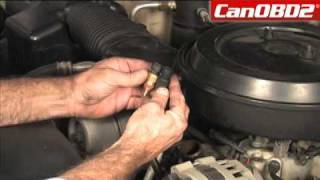
Yes, this is a very DIY-friendly job for most home mechanics. It usually involves unplugging the electrical connector, unscrewing the old sensor with a wrench or deep socket, and installing the new one. You will lose a small amount of coolant, so have some extra on hand to top off the system afterward. The job should take less than an hour.
🎬 Watch this quick walkthrough of the sensor replacement process.Are there any recalls for the Isuzu Rodeo ECT sensor?
A search of the National Highway Traffic Safety Administration (NHTSA) database shows no specific recalls for the engine coolant temperature sensor on the 1998-2004 Isuzu Rodeo.
My temperature gauge is acting weird, but the Check Engine light is off. Could it still be the sensor?
Yes. Sometimes the sensor can provide readings that are incorrect but still within a range the computer won't flag as a fault. For example, it might read 150°F when the engine is actually at 200°F. This can cause poor performance and an inaccurate gauge reading without triggering a light.
Helpful Videos

Technical Specifications
OEM Part Numbers: 8-97125601-0 8100458470 8250360920 8250369790
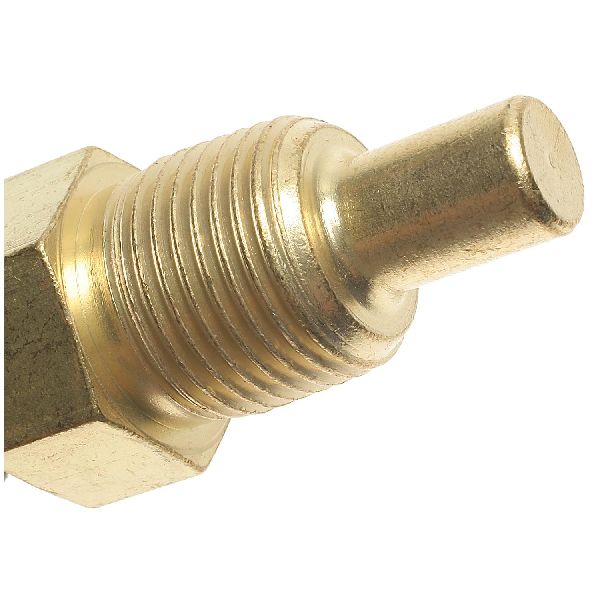
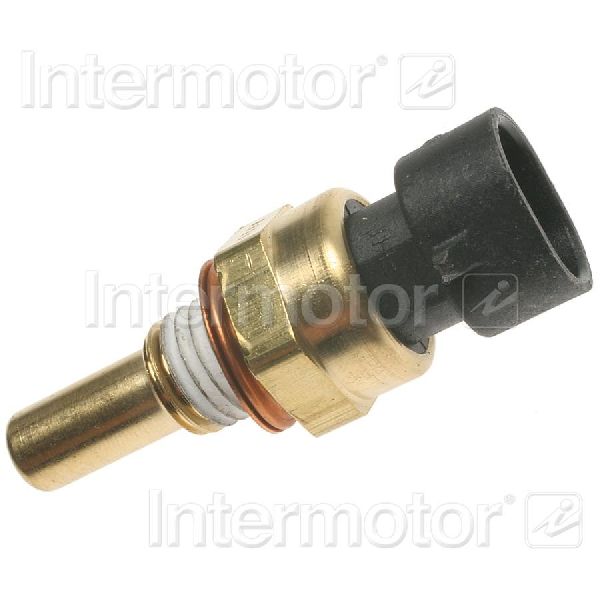
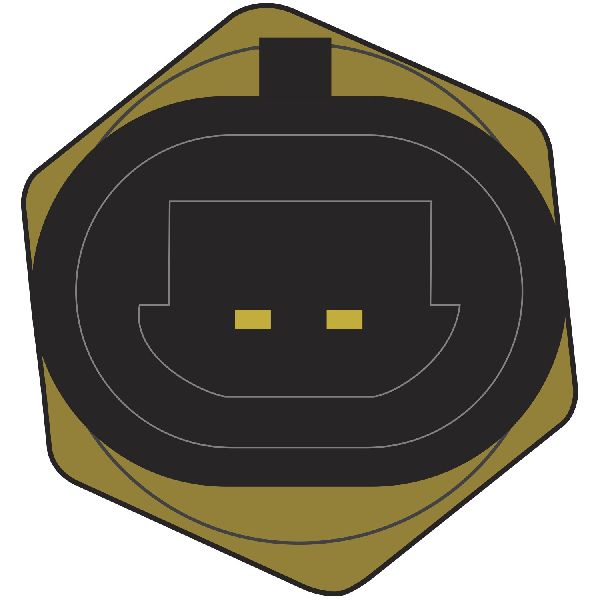
The sensor is a thermistor that changes its electrical resistance based on coolant temperature. It typically has a 2-pin connector and threads into a coolant passage.
We Have This Part in Stock


The information in this article is provided for general reference and educational purposes only. Vehicle specifications, procedures, and part compatibility can vary by production date, trim level, and region. Always consult your vehicle's factory service manual and verify part numbers before purchasing or performing repairs. Safety-critical components such as airbags, seat belts, and braking systems should be installed by a qualified professional.
- Isuzu Rodeo:
- 🎬 Helpful Videos
- 🛍️ Shop This Part
- Is Your Rodeo's Coolant Temp Sensor Failing?
- Key Failure Symptoms
- Don't Ignore an Overheating Engine
- Choosing the Right Aftermarket ECT Sensor
- Brand Quality Tiers
- Check the Connector
- Cost of Replacing the ECT Sensor on a 1998-2004 Isuzu Rodeo
- Frequently Asked Questions
- 🎟️ Get 5% Off