

A Guide to the Ignition Knock Sensor for the 1998-2004 Lincoln Navigator
A bad knock sensor on your Navigator is a major repair job, so choosing the right replacement part is critical.
- Due to the high labor cost of accessing the sensors under the intake manifold, always use a high-quality brand like Bosch, Delphi, or NGK/NTK.
- Always replace both knock sensors, the wiring harness, and the intake manifold gaskets at the same time to avoid repeat repairs.
- The sensor retaining bolt must be tightened with a torque wrench to the correct specification to ensure it functions properly.
- Symptoms like a check engine light with codes P0325 or P0330, poor acceleration, and bad gas mileage strongly point to a failed knock sensor.
Is a Failing Knock Sensor Causing Your Navigator's Problems?
When a knock sensor fails on the 1998-2004 Lincoln Navigator, the engine's computer loses its ability to detect detonation. To protect the engine, it defaults to a very conservative "safe mode." This results in noticeable performance problems that can make your vehicle feel sluggish and inefficient.
Symptoms of a Bad Knock Sensor
- Check Engine Light: This is the most common sign. The codes stored will typically be P0325 (Knock Sensor 1 Circuit Malfunction - Bank 1) or P0330 (Knock Sensor 2 Circuit Malfunction - Bank 2).
- Poor Engine Performance: Your Navigator may feel weak, hesitate during acceleration, and generally lack power. This is due to the computer reducing ignition timing to prevent potential damage.
- Decreased Fuel Economy: An engine running in safe mode is not efficient, causing you to use more gasoline than usual.
- Audible Engine Pinging: In some cases, you might hear a metallic pinging or knocking sound from the engine, especially when accelerating or going uphill. This is the sound of the detonation that the faulty sensor is failing to detect.
A Word of Warning on Replacement
On the 5.4L V8 engine in your Navigator, both knock sensors are located in the valley of the engine block, underneath the entire intake manifold. This makes replacement a labor-intensive job that requires removing the top part of the engine. Because of the high labor cost, it is critical to use a high-quality replacement part to avoid having to do the job a second time.
Choosing the Right Aftermarket Knock Sensor
Given the difficulty of the replacement, this is not a part where you want to cut corners. The quality of aftermarket sensors varies, so it's best to choose a trusted brand.
Premium Aftermarket (OEM-Equivalent)
These brands are known for manufacturing parts that meet or exceed original equipment standards. They are the safest bet for a difficult job like this.
- Bosch: Often an original equipment supplier to Ford, Bosch sensors are widely regarded as a top-tier choice. They are engineered to perform like the factory part.
- Delphi: Another major OEM supplier, Delphi provides high-quality sensors that are trusted by professional mechanics.
- NGK (NTK): As the sensor division of NGK, NTK is a highly respected brand known for excellent quality and reliability, sometimes considered even better than OEM in certain applications.
Quality Aftermarket
These brands offer a good balance of quality and value and are generally reliable choices.
- Standard Ignition (SMP): A long-standing brand in the aftermarket with a reputation for producing dependable sensors.
- Holstein: Offers parts that are designed to meet OEM specifications and are a solid choice for this repair.
Budget-Friendly Options
While less expensive, these brands can be a gamble for a part that requires so much labor to install. Consider the total cost of a potential repeat repair before choosing a budget part.
- Walker Products: This brand has mixed reviews from users.
- Global Parts: Typically a budget-focused brand. Given the job's complexity, using a more established sensor brand is recommended.
Estimated Replacement Costs
The cost to replace the knock sensors is dominated by labor due to their location under the intake manifold. Prices can vary based on your region and the specific shop.
| Part/Service | Estimated Cost |
|---|---|
| New OEM (Motorcraft) Sensor (Each) | $90 - $160 |
| New Aftermarket Sensor (Each) | $35 - $135 |
| Shop Labor | $500 - $900 |
| Total Job (Aftermarket Parts + Labor) | $570 - $1170 |
Pro Tip: Replace in Pairs
Since the intake manifold must be removed to access the sensors, it is strongly recommended to replace both knock sensors at the same time, along with the sensor wiring harness and the intake manifold gaskets. The additional cost for the parts is minor compared to the labor cost of doing the job again if the second original sensor or old harness fails later.
Frequently Asked Questions
Can I replace just one knock sensor?
You can, but it is highly discouraged. The labor to get to the sensors is the same whether you replace one or both. Since both sensors are the same age and have been exposed to the same conditions, it's very likely the second sensor will fail in the future, forcing you to pay for the same expensive labor all over again. Always replace both sensors and the harness.
Is a special tool needed for installation?
You will need a torque wrench. The knock sensor bolt must be tightened to a specific torque specification (typically around 15-20 ft-lbs, but confirm for your specific part). If it's too tight or too loose, the sensor will not read vibrations correctly and may continue to trigger a check engine light.
Are there any recalls for the knock sensor on my Navigator?
No, there have been no safety recalls issued by the NHTSA for the ignition knock sensor on the 1998-2004 Lincoln Navigator.
Could a bad wire be the problem instead of the sensor?
Yes. The wiring harness that connects to the sensors sits in the hot engine valley and can become brittle and fail over time. Sometimes, the connector or wires are damaged during other repairs. This is another reason why it is best practice to replace the knock sensor harness whenever you replace the sensors.
Technical Specifications
OEM Part Numbers: F77Z-12A699-AA
The 1998-2004 Lincoln Navigator 5.4L V8 uses two knock sensors, one for each cylinder bank, located under the intake manifold.
We Have This Part in Stock
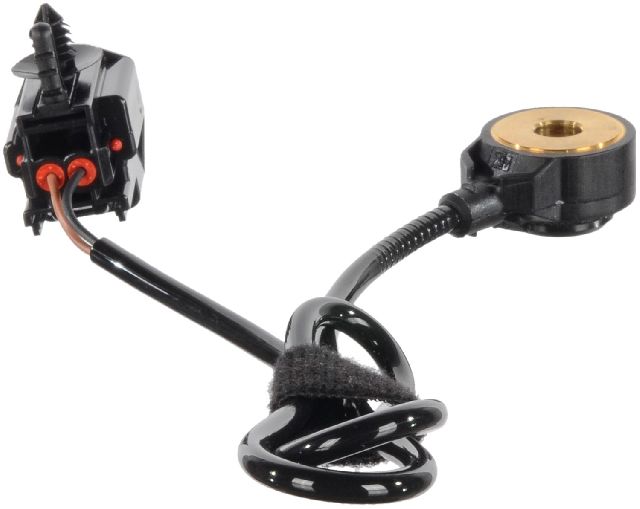

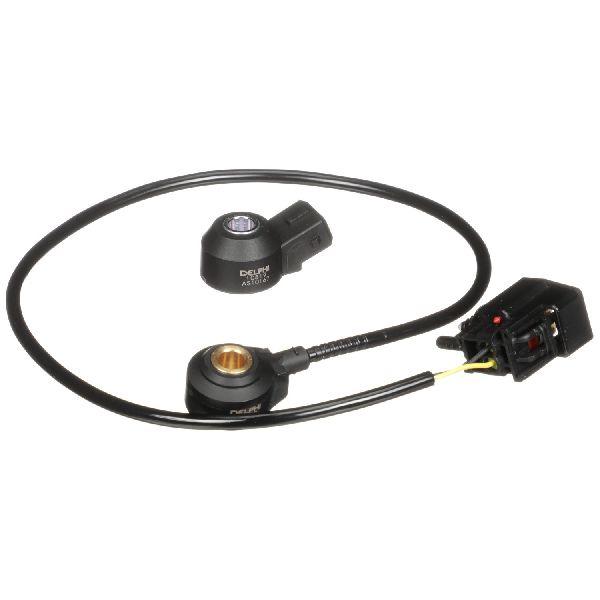
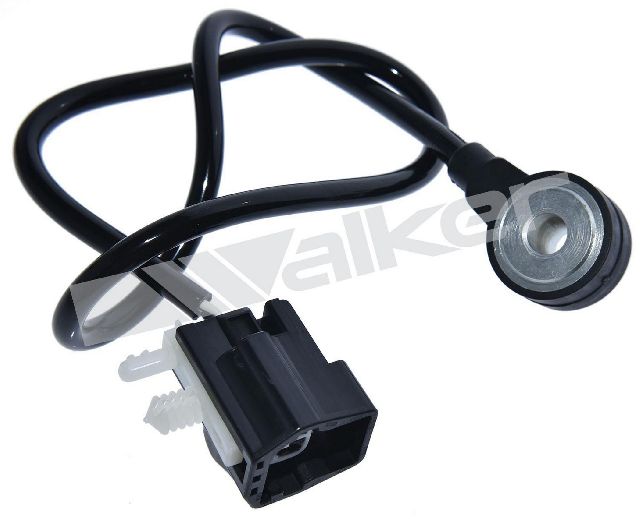
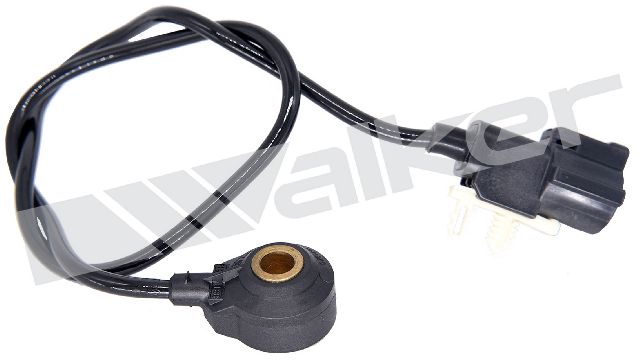

The information in this article is provided for general reference and educational purposes only. Vehicle specifications, procedures, and part compatibility can vary by production date, trim level, and region. Always consult your vehicle's factory service manual and verify part numbers before purchasing or performing repairs. Safety-critical components such as airbags, seat belts, and braking systems should be installed by a qualified professional.
- Lincoln Navigator:
- 🛍️ Shop This Part
- Is a Failing Knock Sensor Causing Your Navigator's Problems?
- Symptoms of a Bad Knock Sensor
- A Word of Warning on Replacement
- Choosing the Right Aftermarket Knock Sensor
- Premium Aftermarket (OEM-Equivalent)
- Quality Aftermarket
- Budget-Friendly Options
- Estimated Replacement Costs
- Pro Tip: Replace in Pairs
- Frequently Asked Questions
- 🎟️ Get 5% Off