

A Guide to Replacing the Starter on Your 1998-2004 Lincoln Navigator
If your Navigator won't start, the starter motor is a likely suspect; here's how to choose the right replacement.
- A no-start condition is the ultimate symptom, but listen for clicks, grinding, or slow cranking as early warnings.
- Always test the battery and check cable connections first to rule out a simple electrical issue.
- New aftermarket starters provide the best value, offering all-new components without the high cost of OEM parts.
- Replacement is DIY-possible, but be prepared for a difficult-to-reach top bolt that requires long extensions and a swivel socket.
Is Your Navigator's Starter Failing?
A bad starter rarely fails without warning. Before it leaves you stranded, you'll likely notice one or more of these symptoms. It's important to distinguish these from a weak battery, which can cause similar issues. If jump-starting the vehicle doesn't help, the starter is the more likely problem.
- Single, Loud Click: You turn the key and hear one loud click, but the engine doesn't crank. This often means the starter solenoid is working, but the motor itself is not.
- Rapid Clicking Noise: A series of fast clicks when you try to start the engine usually points to a weak battery, but it can also happen with a failing starter that isn't getting enough power to turn.
- Slow Engine Crank: If the engine turns over much slower than usual, like it's struggling, the starter motor might be wearing out.
- Grinding or Whirring Noise: A grinding sound indicates the starter gear is not engaging properly with the flywheel, or the gears are already damaged. A whirring noise without the engine turning over means the starter motor is spinning but not engaging the flywheel at all.
- No Sound at All: If there's no click and no crank, the problem could be in the electrical path to the starter, including the solenoid or ignition switch.
- Smoke or Burning Smell: Smoke from the engine bay when trying to start is a serious sign. It means the starter is overheating from drawing too much power or has an electrical short. Stop trying to start the vehicle immediately to prevent further damage.
First, Check Your Battery
Many starter problems are actually caused by a weak or dead battery, or corroded battery terminals. Before replacing the starter, make sure your battery is fully charged and the cable connections are clean and tight.
Choosing a New Aftermarket Starter
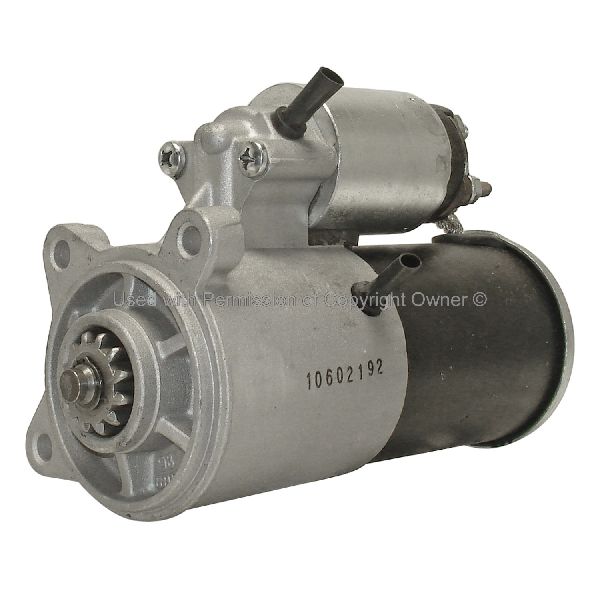
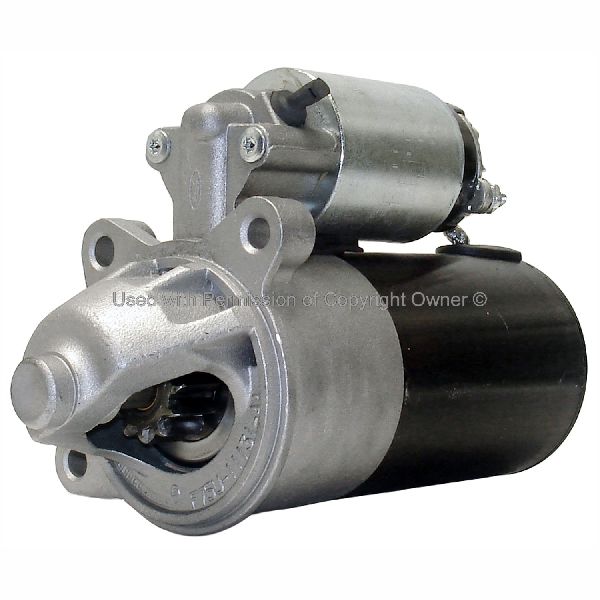
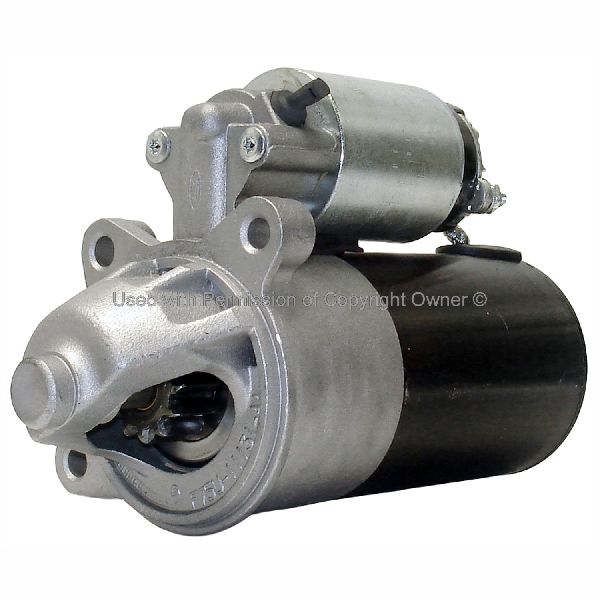
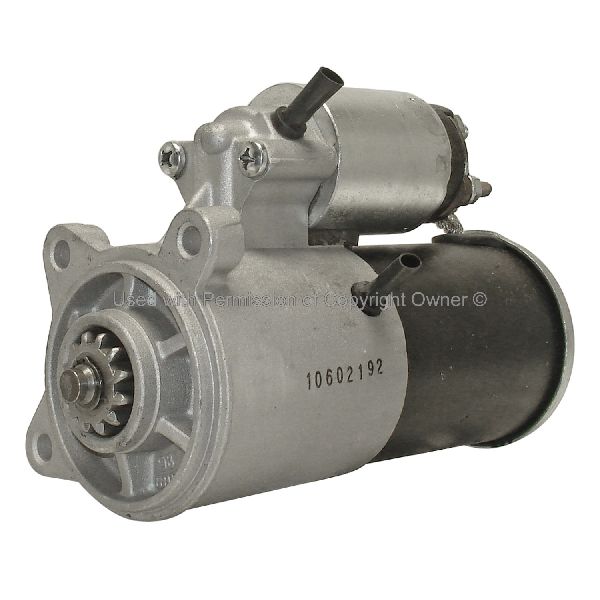
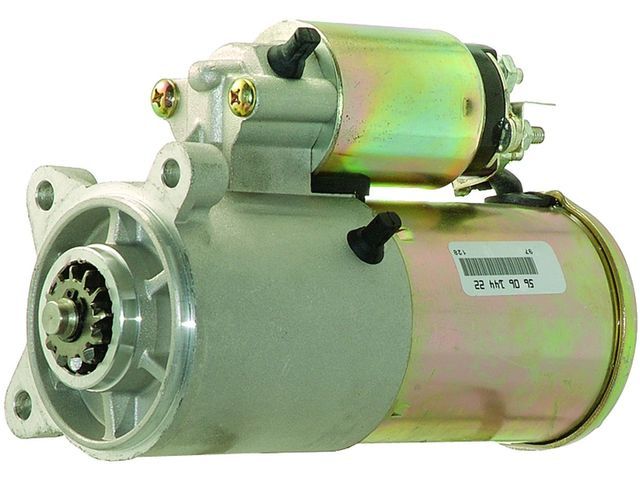
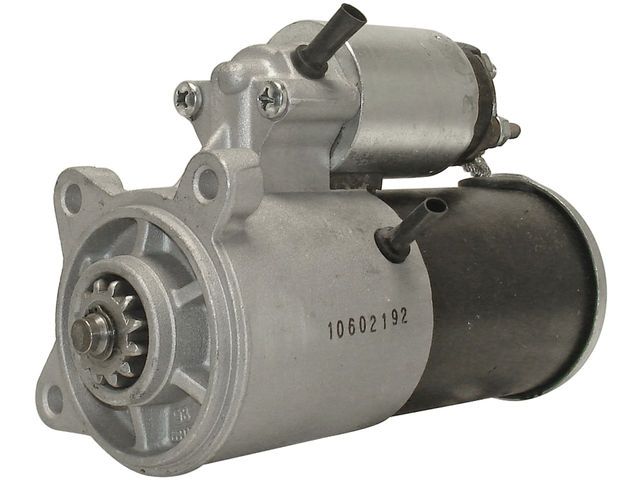
When replacing the starter on your 1998-2004 Navigator, you don't have to buy an expensive OEM part from the dealer. New aftermarket starters offer a great combination of quality and value. Unlike remanufactured parts, which are rebuilt used units, new aftermarket starters are made with 100% new components, eliminating the risk of inheriting old, worn-out parts.
For this generation of Navigator, new aftermarket starters are a reliable and cost-effective choice. Brands like ACDelco and MPA (Motorcar Parts of America) are established names in the aftermarket. ACDelco, while known as a GM parts brand, produces parts for many non-GM vehicles and is generally considered a quality option. New aftermarket parts often meet or exceed original specifications and don't require you to return the old starter (known as a "core").
Known Issues, Recalls, or TSBs
Searches of the National Highway Traffic Safety Administration (NHTSA) database and other sources did not reveal any specific recalls or widespread Technical Service Bulletins (TSBs) for starter motor failure on the 1998-2004 Lincoln Navigator. Most issues reported by owners are related to normal wear and tear over the vehicle's lifespan.
Starter Replacement Cost for 1998-2004 Lincoln Navigator
The cost of replacing the starter can vary based on whether you do it yourself or hire a professional mechanic. The main challenge of the job is accessing the top mounting bolt.
| Part/Service | Estimated Cost |
|---|---|
| New Aftermarket Starter | $89.58 - $196.40 |
| New OEM Starter | $230 - $335 |
| Shop Labor | $122 - $179 |
| Total Professional Replacement | $435 - $513 |
Installation Tip
The starter on the 5.4L V8 engine is held on by three 13mm bolts. The two bottom bolts are easy to access from underneath, but the top bolt is notoriously difficult to reach. Mechanics often use a very long extension with a swivel socket, going through the passenger-side wheel well to access it. Always disconnect the battery's negative terminal before beginning work to prevent electrical shorts.
Frequently Asked Questions
Is a clicking sound always a bad starter?
Not always. A rapid clicking often points to a weak battery that doesn't have enough power to turn the starter motor. A single, loud click, however, is a much stronger indication that the starter motor itself has failed.
Can I replace the Navigator's starter myself?
Yes, this is a feasible DIY job for someone with moderate mechanical skill and the right tools. The main difficulty is accessing the top bolt. If you are not comfortable working with long extensions and reaching into tight spaces, it may be best to leave this job to a professional.
What's the difference between a new and a remanufactured starter?
A new starter is built with 100% new components. A remanufactured starter is a used OEM starter that has been disassembled, cleaned, and had its worn or failed components replaced. While remanufactured parts can be a good value, a new aftermarket starter ensures every component is fresh and often comes with a better warranty without the hassle of a core charge.
Do I need any special tools for the replacement?
You will need standard metric sockets (10mm and 13mm), a ratchet, and most importantly, a long set of extensions and a swivel adapter for your socket wrench to reach the top bolt. Removing the front passenger-side wheel can provide better access.
Technical Specifications
OEM Part Numbers: XC3Z-11002-AB 6C2Z-11002-CA 6W1Z-11002-AA 9C2Z-11002-A SA-988 SA-932
Fits 5.4L V8 Engine. The starter is a 3-bolt design, typically requiring 13mm sockets for the mounting bolts and 10mm/13mm for the electrical connections.
We Have This Part in Stock

The information in this article is provided for general reference and educational purposes only. Vehicle specifications, procedures, and part compatibility can vary by production date, trim level, and region. Always consult your vehicle's factory service manual and verify part numbers before purchasing or performing repairs. Safety-critical components such as airbags, seat belts, and braking systems should be installed by a qualified professional.
- Lincoln Navigator: