

Subaru Forester Engine Oil Pressure Switch Guide (1998-2004)
Fix your flickering oil light and protect your Forester's engine with the right replacement switch.
- A flickering or steady oil light with a full oil level is the primary symptom of a bad switch.
- Always stop driving if the red oil light comes on to avoid catastrophic engine damage.
- Replacement is a simple DIY job requiring a 24mm deep socket, but be careful not to overtighten the new switch.
- Quality aftermarket brands are a cost-effective and reliable alternative to the more expensive OEM part for this application.
Is Your Forester's Oil Light Lying to You?
The red oil pressure light on your 1998-2004 Forester's dashboard is a serious warning. It means the engine's oil pressure is dangerously low. The first step is always to pull over safely, turn off the engine, and check the oil level. But what if the oil level is full? In many cases, the problem isn't a lack of oil, but a faulty oil pressure switch giving a false reading. These switches are a common failure point and can leak oil or simply stop working correctly, causing the light to flicker or stay on.
Symptoms of a Failing Oil Pressure Switch
A bad oil pressure switch can be tricky because its main symptom—the oil light coming on—is the same as for actual low oil pressure. Here’s how to tell the difference:
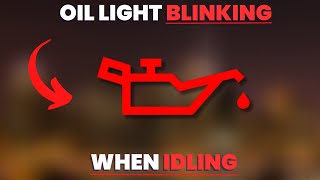
- Flickering Oil Light: The light may flash on and off, especially at idle or during turns. This often points to a failing switch rather than a constant pressure problem. 🎬 Learn more about why your oil light blinks at idle.
- Oil Light On, But Oil Level is Full: If you've checked the dipstick and the oil level is correct, the switch is the most likely suspect.
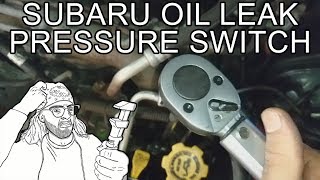
- Visible Oil Leak: The switch itself can develop leaks. Look for oil residue on and around the sensor, which is located on the engine block, typically near the alternator. A significant leak from a broken switch can spray oil all over the engine bay. 🎬 See how to fix a messy leak by replacing the switch.
Stop Driving Immediately
If your red oil pressure light comes on, do not continue to drive. Pull over as soon as it is safe and turn off the engine. Driving with low oil pressure can destroy your engine in minutes. Always verify your oil level first. If the level is good, it's safer to have the vehicle towed than to risk catastrophic engine failure.
Choosing the Right Aftermarket Switch
For a simple part like an oil pressure switch on an older vehicle, an aftermarket replacement is a perfectly reasonable and cost-effective choice. The technology is not complex, and quality aftermarket brands produce reliable switches. While an OEM (Original Equipment Manufacturer) part from Subaru is always an option, you can save money without sacrificing reliability. Some forum users have noted that even OEM switches can fail, and that quality aftermarket brands are a solid alternative.
Brand Quality Tiers
- Standard Ignition (SMP): Often considered a reliable aftermarket brand, Standard produces a wide range of sensors and electrical components that meet or exceed OEM specifications. They are a solid choice for this repair.
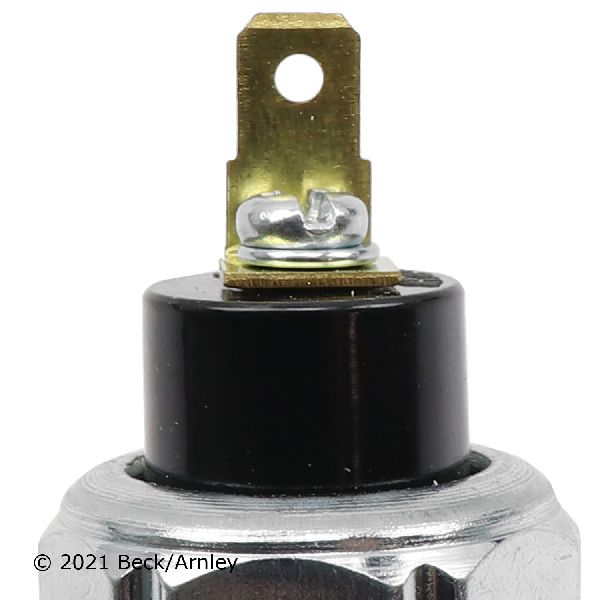
- Beck Arnley: Historically, Beck Arnley was known for re-boxing OEM parts, making them a top-tier choice. While some sources suggest their sourcing has become more varied, they still focus on providing parts that match OE form, fit, and function for foreign nameplates.
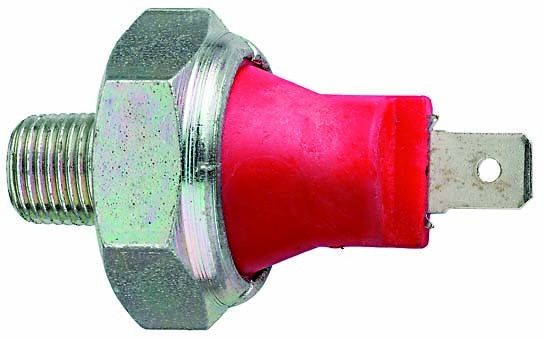
- Facet / Holstein: These brands offer a more budget-friendly option. Facet is an established Italian manufacturer of electrical components. While they may not have the same brand recognition in the US as others, they are a viable option for a standard replacement part.
Pro Tip: Easy DIY Job
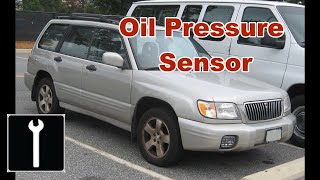
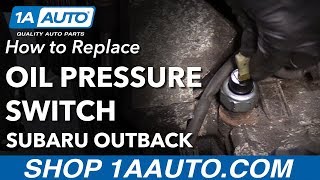
Replacing the oil pressure switch is a straightforward job for a DIYer. It's located on the top of the engine block, just below the alternator. You'll need a deep 24mm socket to remove the old switch. Be careful not to overtighten the new switch, as this can crack the engine block; the torque spec is very low, around 8-12 ft-lbs. 🎬 Watch this step-by-step guide to replacing your Forester's sensor. Many new switches come with thread sealant pre-applied.
Cost of Replacing the Engine Oil Pressure Switch
| Part Type | Cost Range |
|---|---|
| New Aftermarket | $7 - $11 |
| New OEM (Subaru) | $25 - $40 |
| Shop Labor | $50 - $100 |
| Total (DIY) | $7 - $11 |
| Total (Shop) | $75 - $140 |
Frequently Asked Questions
Can I drive with a bad oil pressure switch?
No. The problem is you don't know if it's a bad switch or actual low oil pressure. The risk of severe engine damage is too high. If the light is on, stop the engine, check the oil level, and if it's full, get the vehicle inspected.
Where is the oil pressure switch located on a 1998-2004 Forester?
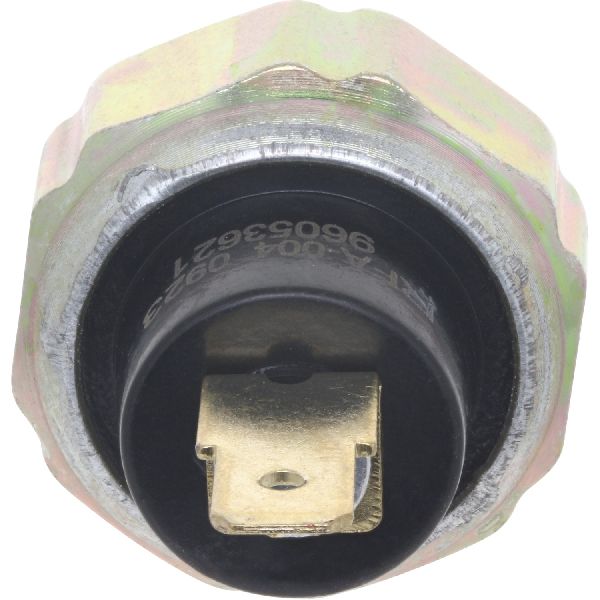
The oil pressure switch is located on the top of the engine block, underneath and slightly behind the alternator. It has a single-wire plastic connector attached to it.
Do I need a special tool to replace the switch?
You will need a 24mm deep socket and a ratchet with an extension to reach and remove the switch. A torque wrench is highly recommended for installation to avoid overtightening.
Is there a recall for the oil pressure switch on these Foresters?
No, there are no specific recalls on the engine oil pressure switch for the 1998-2004 Subaru Forester. Later model Foresters had recalls for other switch types or TSBs related to oil system components, but not this specific part on this generation.
Should I use thread sealant or Teflon tape on the new switch?
Most new aftermarket switches come with a thread sealant already applied to the threads. If it does, no additional sealant is needed. Do not use Teflon tape, as pieces can break off and enter the oil passages, causing a blockage.
Helpful Videos
Technical Specifications
OEM Part Numbers: 25240AA060 25240KA040 25240KA041
Socket Size: 24mm Deep Socket. Thread: 1/8" BSPT.
We Have This Part in Stock


The information in this article is provided for general reference and educational purposes only. Vehicle specifications, procedures, and part compatibility can vary by production date, trim level, and region. Always consult your vehicle's factory service manual and verify part numbers before purchasing or performing repairs. Safety-critical components such as airbags, seat belts, and braking systems should be installed by a qualified professional.
- Subaru Forester:
- 🎬 Helpful Videos
- 🛍️ Shop This Part
- Is Your Forester's Oil Light Lying to You?
- Symptoms of a Failing Oil Pressure Switch
- Stop Driving Immediately
- Choosing the Right Aftermarket Switch
- Brand Quality Tiers
- Pro Tip: Easy DIY Job
- Cost of Replacing the Engine Oil Pressure Switch
- Frequently Asked Questions
- 🎟️ Get 5% Off