

Subaru Forester Throttle Position Sensor Guide (1998-2004)
Solving hesitation, rough idle, and stalling issues in your first-generation Forester.
- Symptoms like hesitation, rough idle, and stalling are classic signs of a failing TPS in a 1998-2004 Forester.
- Hitachi is an original equipment supplier, making it a top-tier choice for aftermarket replacement.
- Avoid the cheapest unbranded sensors, as owner experiences suggest they have a high failure rate.
- Replacement is a simple DIY job that requires basic tools and less than 30 minutes.
Is Your Forester Hesitating or Idling Poorly?

If you're experiencing unpredictable engine behavior with your 1998-2004 Subaru Forester, a failing Throttle Position Sensor (TPS) is a likely suspect. This sensor tells the engine's computer how much you're pressing the gas pedal. When it starts to fail, it sends incorrect signals, leading to a variety of driveability problems. Symptoms can be intermittent at first, making them tricky to diagnose.
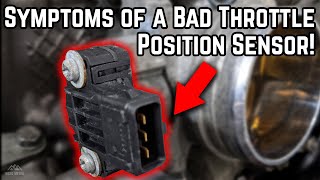
🎬 Watch: Common signs and symptoms of a bad TPSCommon Symptoms of a Bad TPS

- Rough or High Idle: The engine may idle erratically or much higher than the typical 700-800 RPM.
- Stalling: The engine might stall unexpectedly when you come to a stop or when idling.
- Hesitation and Surging: You may feel a delay or stumble when you press the gas pedal, followed by a sudden surge of power.
- Poor Acceleration: The car feels sluggish and lacks power, struggling to get up to speed.
- Reduced Fuel Economy: A bad TPS can cause the engine to use more fuel than necessary.
- Check Engine Light: A failing TPS will often trigger the Check Engine Light and store diagnostic trouble codes like P0121, P0122, or P2135. 🎬 Learn how to fix and reset a P0122 trouble code
No Specific Recalls or TSBs
Our research found no official recalls or Technical Service Bulletins (TSBs) from Subaru or the NHTSA specifically for Throttle Position Sensor failure on the 1998-2004 Forester models. However, TSBs do exist for later models regarding TPS inspection procedures.
Choosing the Right Aftermarket TPS: Brand Quality Tiers

When replacing the TPS, the quality of the part matters. While very cheap options exist, forum discussions with Forester owners suggest these can fail quickly. It's often better to invest in a quality part to avoid doing the job twice.
Tier 1: OEM Quality
- Hitachi: Hitachi is a known original equipment (OE) supplier for Subaru. Choosing a Hitachi TPS is the closest you can get to buying the part from a Subaru dealer without the high price tag. They are built to meet OE performance and durability standards.
Tier 2: Reputable Aftermarket
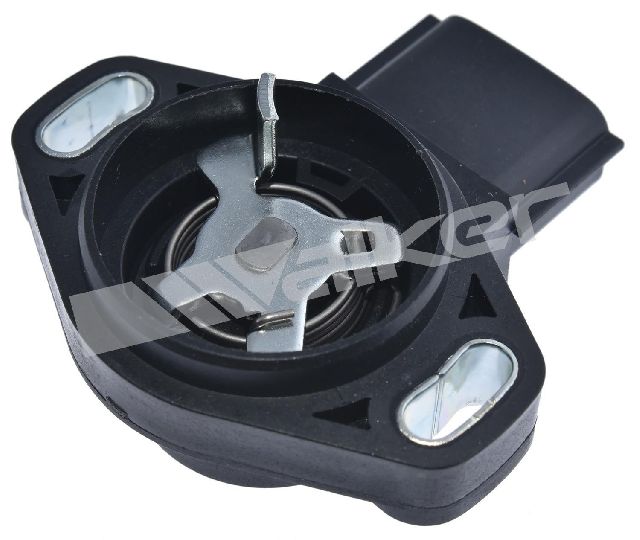
- NGK/NTK, Standard Motor Products (SMP), Beck Arnley, Walker Products: These are well-known aftermarket brands that produce a wide range of reliable sensors. They offer a good balance of quality and price and are a solid choice for most owners.
Tier 3: Budget Brands
- Replacement / Store Brands: While the low price is tempting, these parts often have a shorter lifespan. They might work in a pinch, but for a critical sensor like the TPS, it's generally recommended to choose a brand from a higher tier for long-term reliability.
Cost of Replacing a Forester TPS

| Part Type | Estimated Cost |
|---|---|
| New OEM | $100 - $285 |
| New Aftermarket | $21 - $190 |
| Shop Labor | $50 - $100 |
DIY Installation is Easy
Replacing the TPS on a 1998-2004 Forester is a beginner-friendly job that usually takes less than 30 minutes. The sensor is located on the side of the throttle body and is held in place by two screws. You just need to disconnect the electrical connector, remove the screws, and swap the sensor. 🎬 See this step-by-step TPS replacement walkthrough for your Subaru No special adjustment is typically needed as the ECU calibrates the new sensor's closed-throttle position on startup.
Frequently Asked Questions
Can I just clean my old Throttle Position Sensor?
No. The TPS is a sealed electronic sensor. The failure is internal, usually a worn-out resistive strip, not dirt. Attempting to clean it won't fix the problem and may cause further damage. If the sensor is faulty, it must be replaced.
Does a new TPS need to be adjusted or calibrated?
For this generation of Forester, the ECU is designed to self-calibrate by reading the new sensor's voltage at startup to determine the closed-throttle position. While some older vehicles required manual adjustment with a multimeter, it is generally not necessary here.
Can a bad TPS cause automatic transmission problems?
Yes. The Transmission Control Unit (TCU) uses the TPS signal to help determine when to shift gears. A bad sensor can cause delayed shifting, harsh shifts, or hunting for gears. Sometimes, transmission-related symptoms are the first sign of a failing TPS.
Why is there such a big price difference in aftermarket sensors?
The price reflects the quality of the internal components, manufacturing tolerances, and quality control. Higher-priced sensors from brands like Hitachi use materials that match OE specifications for accuracy and longevity. Cheaper sensors may use lower-grade components that can lead to inaccurate readings and premature failure.
Helpful Videos



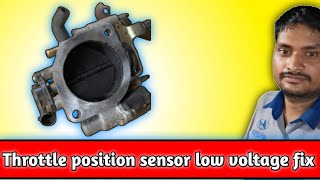

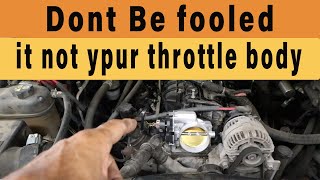
Technical Specifications
OEM Part Numbers: 22633AA110 22633AA111 22633AA151 22633AA15B 22633AA210
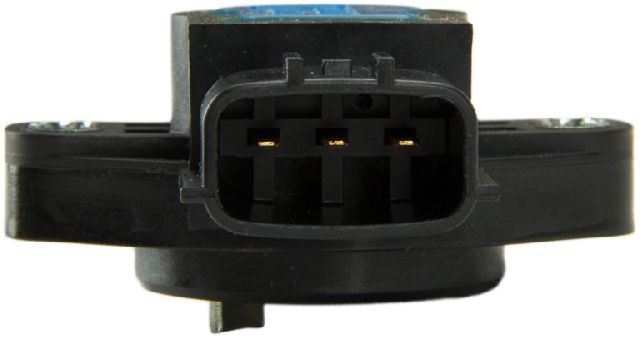
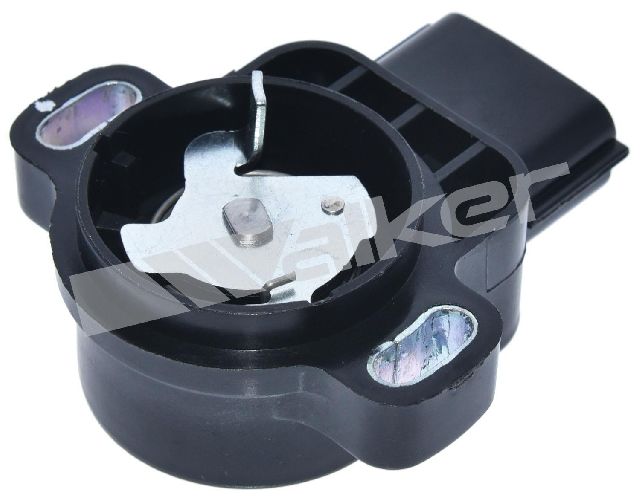
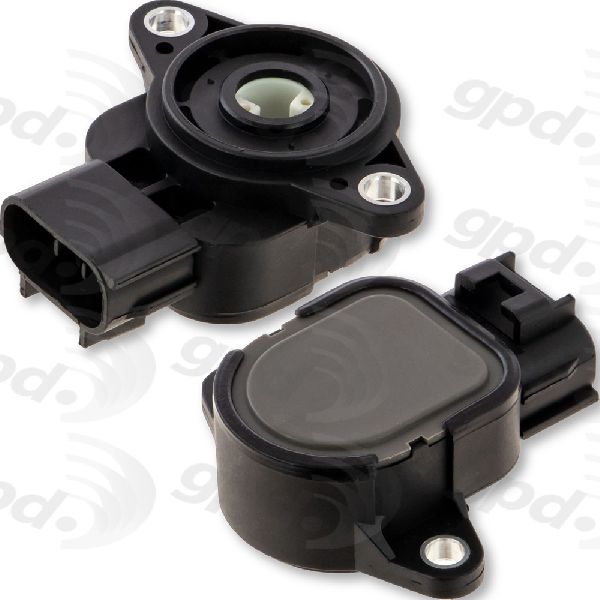
The sensor is located on the throttle body and uses a 4-pin female electrical connector.
We Have This Part in Stock


The information in this article is provided for general reference and educational purposes only. Vehicle specifications, procedures, and part compatibility can vary by production date, trim level, and region. Always consult your vehicle's factory service manual and verify part numbers before purchasing or performing repairs. Safety-critical components such as airbags, seat belts, and braking systems should be installed by a qualified professional.
- Subaru Forester: