

Audi A3 1998-2005 A/C System O-Ring & Gasket Kit Guide
Leaking A/C systems in your Audi A3 almost always come down to old, brittle seals—here’s what you need to know before replacing them.
- The 1998-2005 Audi A3 was not sold in North America, so parts sourcing may require extra attention.
- Always replace the complete set of O-rings and gaskets when the A/C system is opened for any repair.
- This is not a DIY job; it requires professional equipment to handle the refrigerant safely and legally.
- The main symptom of failing O-rings is the A/C blowing warm air due to a refrigerant leak.
A Note for North American Owners
The first-generation Audi A3 (Typ 8L, 1998-2005) was not officially sold in the United States or Canadian markets. The first A3 model to arrive in North America was the second generation in 2006. If you own a 1998-2005 model, it is likely a private import. While many mechanical parts are shared with other Volkswagen Group cars of that era (like the VW Golf Mk4), be aware that sourcing specific parts and vehicle-specific information can be more challenging.
Is It Time to Replace Your A/C O-Rings?
The most common reason to replace your A/C O-rings is a loss of cooling performance. If your A/C is blowing warm or only slightly cool air, you likely have a refrigerant leak. Since O-rings are a primary failure point, they are often the culprit. You might also notice an oily residue on A/C hose connections, which is a tell-tale sign of a leak, as the refrigerant carries lubricating oil with it. A professional shop can use UV dye to pinpoint the exact source of a leak, but if the system is being opened for any repair, such as a compressor or condenser replacement, it is standard practice to replace all the seals at the same time.
Choosing the Right Aftermarket Kit
When servicing your A/C, replacing all the O-rings and gaskets at once is the best way to prevent future leaks. Trying to save a few dollars by reusing old seals is a bad idea; a leak at a reused seal means you'll have to pay for labor and another A/C service all over again.
Brand Spotlight: Four Seasons
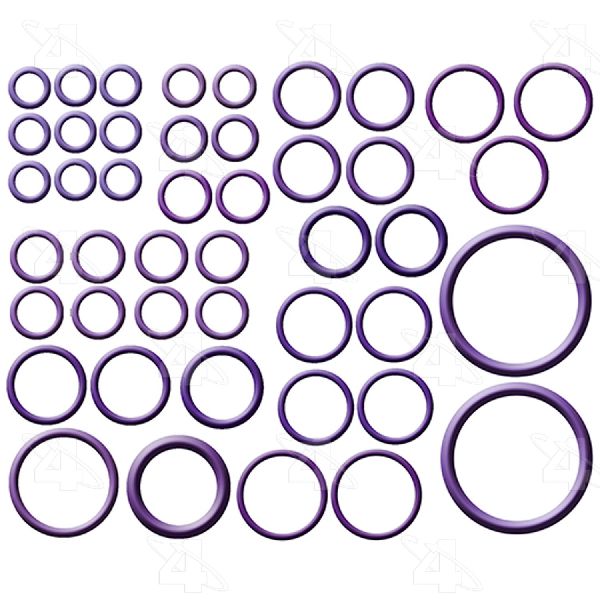
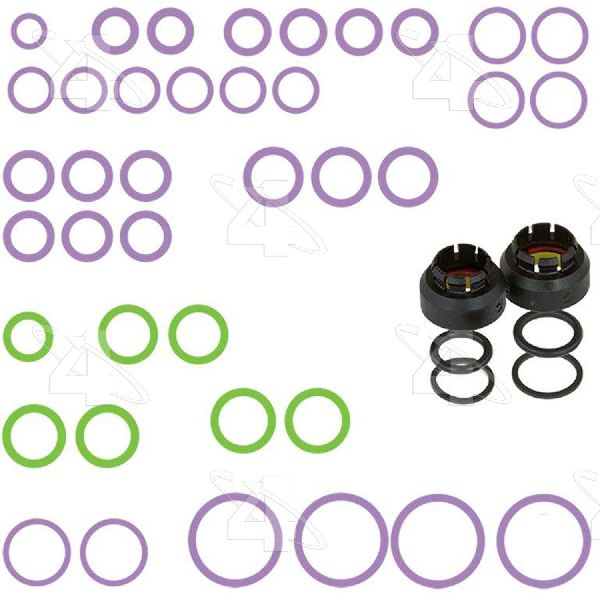
Four Seasons is a major supplier of aftermarket climate control parts. Their kits are designed to be application-specific, providing the necessary seals for a complete job. The O-rings are typically made from HNBR (Hydrogenated Nitrile Butadiene Rubber), which is the modern standard for R134a refrigerant systems due to its durability and resistance to oil and heat. While some forum users have mixed opinions on aftermarket brands in general, Four Seasons is a widely available and commonly used option for A/C repairs.
| Part Type | Estimated Cost |
|---|---|
| New Aftermarket Kit (Four Seasons) | $40.00 - $126.29 |
| Shop Labor for Installation | $150 - $500+ |
Pro Tip: The cost of replacing O-rings is not in the parts, but the labor. The A/C system must be professionally evacuated before work can begin and then vacuum-tested and recharged afterward. This requires specialized, expensive equipment.
Frequently Asked Questions
Can I replace just the one leaking O-ring?
You can, but it's not recommended. The labor involved in evacuating and recharging the system is the same whether you replace one seal or all of them. Since all the O-rings are the same age, another one is likely to fail soon. Replacing the full kit is cheap insurance against having to do the job twice.
Is this a DIY-friendly job?
No. Legally and safely, the refrigerant in the A/C system must be recovered by a certified technician using special equipment before you can open the system. Failure to do so is harmful to the environment and can cause serious injury (frostbite) from contact with liquid refrigerant. This repair is best left to a professional shop.
What causes the O-rings to fail?
Age, heat, and pressure are the main enemies of A/C seals. Over many years, the rubber material naturally hardens and loses its elasticity, preventing it from creating a tight seal. High pressures in the system, sometimes caused by other issues like a faulty cooling fan, can also force refrigerant past a weak seal.
Will a new O-ring kit fix my A/C?
If your only problem is a leak from old, brittle seals, then yes. However, A/C systems can fail for many other reasons, such as a faulty compressor, a clogged condenser, or electrical issues. A proper diagnosis from a qualified mechanic is the best first step before buying parts.
Technical Specifications
Kits should contain HNBR (Hydrogenated Nitrile Butadiene Rubber) O-rings compatible with R134a refrigerant.
We Have This Part in Stock

The information in this article is provided for general reference and educational purposes only. Vehicle specifications, procedures, and part compatibility can vary by production date, trim level, and region. Always consult your vehicle's factory service manual and verify part numbers before purchasing or performing repairs. Safety-critical components such as airbags, seat belts, and braking systems should be installed by a qualified professional.
- Audi A3: