

Audi A3 Oxygen Sensor Guide: 1998-2005 Models
Everything you need to know about replacing the oxygen sensors on your first or second generation Audi A3.
- The 1998-2003 (8L) and 2003-2005 (8P) Audi A3 models use different parts; confirm your vehicle's generation before buying.
- A bad oxygen sensor will trigger a Check Engine Light and hurt your fuel economy; don't ignore it.
- Aftermarket brands like Walker Products are a cost-effective alternative to expensive OEM sensors and are generally well-regarded for this application.
- Always choose a 'direct-fit' sensor to avoid wiring issues.
Understanding Your Audi A3's Oxygen Sensors
If you own a 1998-2005 Audi A3, it's important to know which model you have, as this affects which parts you need. The first generation (Typ 8L) was built from 1996 to 2003. The second generation (Typ 8P) began production in 2003. A key point for North American owners is that the Audi A3 was not officially sold in the US market until the 2006 model year, which was the second-generation (8P) model. This guide covers the earlier models, which may have been imported or are owned in other markets.
Symptoms of a Failing Oxygen Sensor
An oxygen sensor won't typically fail suddenly. It will degrade over time, causing noticeable issues. Here’s what to look for:
- Check Engine Light: This is the most common sign. The light will come on if the sensor's readings are out of the expected range. Common trouble codes include 🎬 Watch: Diagnosing a system too lean fault on an Audi A3 P0130, P0133, P0171 (too lean), and P0172 (too rich).
- Poor Fuel Economy: A failing sensor can send incorrect data to the engine's computer, causing it to use more fuel than necessary. Some owners report that replacing lazy sensors improves gas mileage.
- Rough Idle or Misfires: Incorrect air-fuel mixture can lead to a shaky idle, engine hesitation, or misfires.
- Failed Emissions Test: A bad O2 sensor is a leading cause of failing a smog or emissions test.
Don't Ignore the Light
Driving with a bad oxygen sensor for too long can lead to more expensive problems. An overly rich fuel mixture can overheat and damage your catalytic converter, a much costlier repair.
Choosing the Right Aftermarket Oxygen Sensor
When it comes to sensors, you have options. The choice between OEM and aftermarket often comes down to budget and your comfort level with non-factory parts.
- OEM (Original Equipment Manufacturer): For most Audis of this era, the original sensors were made by Bosch. These are considered the gold standard and are guaranteed to fit and function correctly. However, they are the most expensive option.
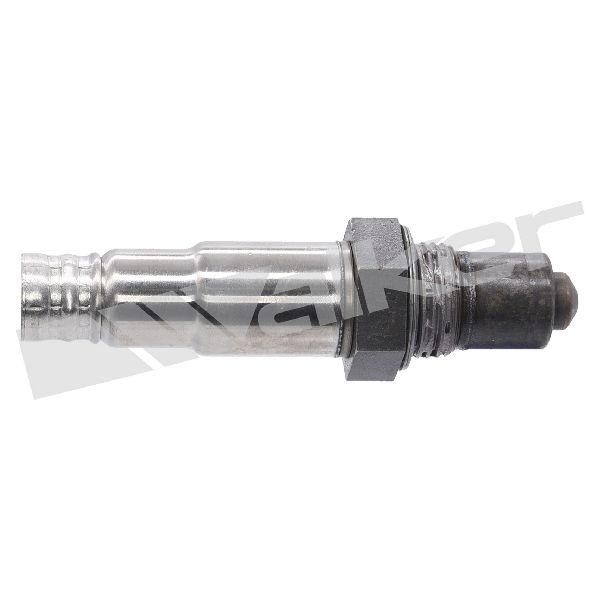
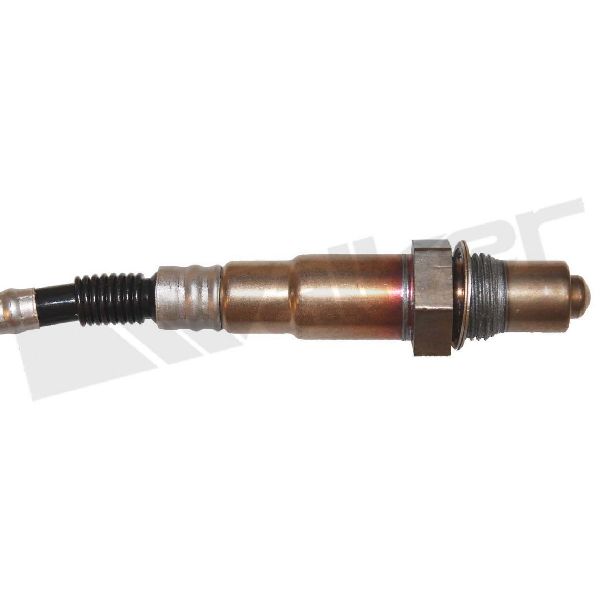
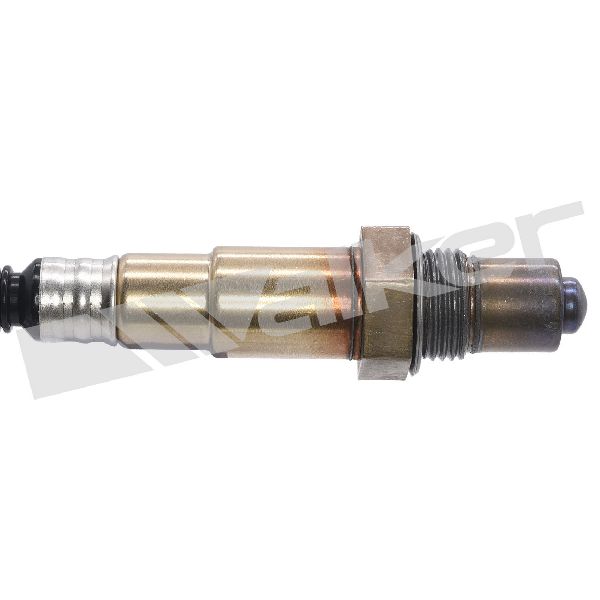
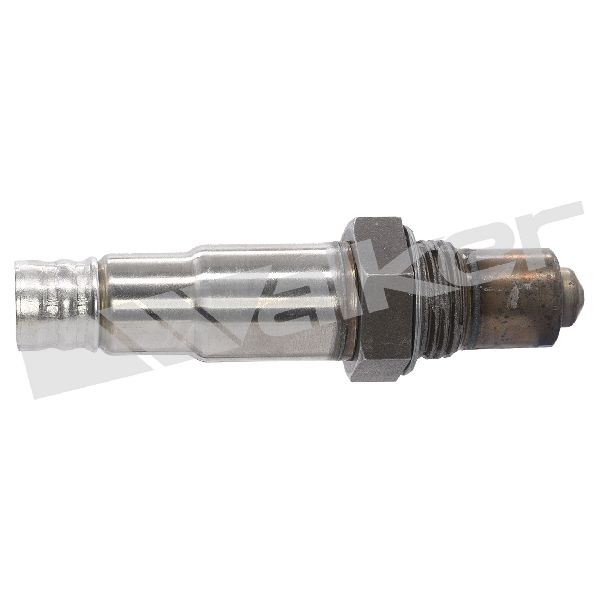
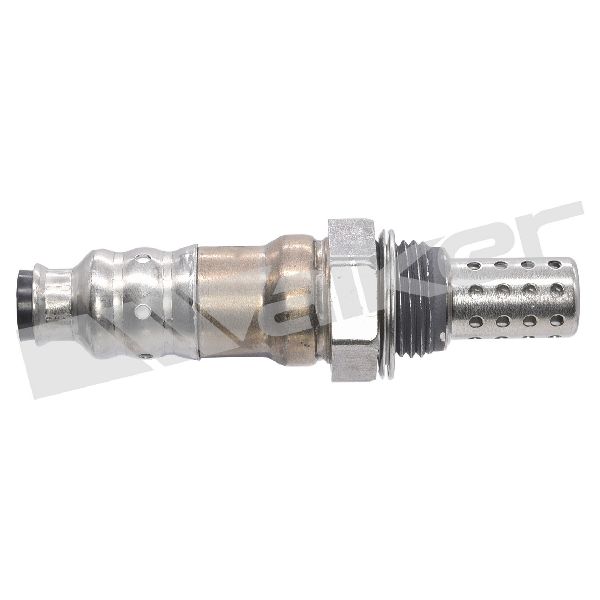
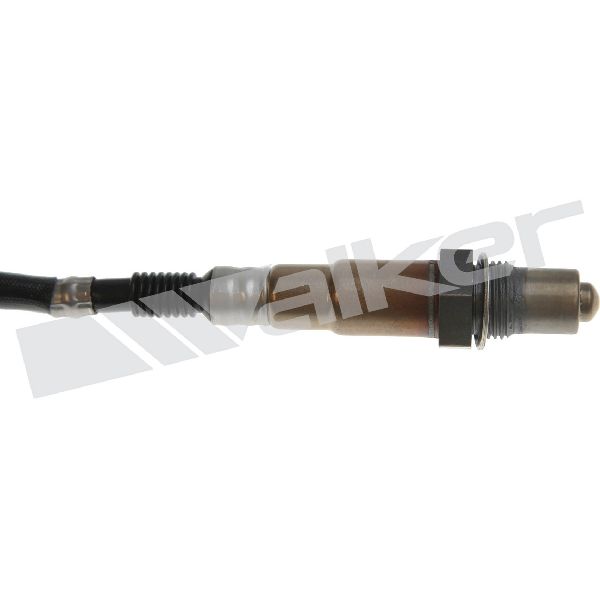
- Aftermarket (Walker Products): Aftermarket brands like Walker Products offer a more budget-friendly alternative. Forum discussions among Audi owners show that many have used Walker parts successfully. Some sources suggest Walker may use sensor elements from top-tier manufacturers in their assemblies. They are generally considered a good quality replacement part that provides significant savings over OEM.
Direct-Fit vs. Universal
Always choose a "direct-fit" sensor. These come with the correct electrical connector for your A3, so you can just plug them in. Universal sensors require you to cut and splice wires, which can lead to connection problems and is not recommended for critical engine sensors.
Cost to Replace an Audi A3 Oxygen Sensor
The total cost depends on the parts you choose and whether you do the work yourself. Your A3 has at least two oxygen sensors: one before the catalytic converter (upstream) and one after (downstream). Prices can vary between the two.
| Part/Service | Estimated Cost |
|---|---|
| New OEM Sensor (e.g., Bosch) | $150 - $250+ |
| New Aftermarket Sensor (e.g., Walker) | $77 - $150 |
| Shop Labor | $100 - $200 |
| DIY with Aftermarket Part (Total) | $77 - $150 |
| Shop Replacement with Aftermarket Part (Total) | $177 - $350 |
Frequently Asked Questions
Can I replace an oxygen sensor myself?
Yes, this is a DIY-friendly job for many people. You will need to safely lift the car, and you'll need a special 22mm oxygen sensor socket, which has a slit for the wire. The old sensor can be difficult to remove if it's rusted in place. Applying penetrating oil beforehand can help.
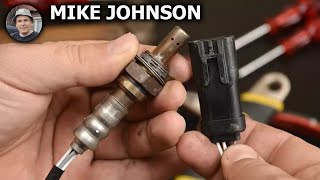
🎬 Watch: Step-by-step tutorial for replacing the sensor on this platformWhat is the difference between an upstream and downstream sensor?
The upstream sensor (Bank 1, Sensor 1) is located before the catalytic converter. It measures the raw exhaust from the engine and is the primary sensor for adjusting the air-fuel mix. 🎬 See this guide on fixing P0130 Bank 1 Sensor 1 codes The downstream sensor (Bank 1, Sensor 2) is after the catalytic converter and its main job is to monitor the converter's efficiency.
Can I clean my old oxygen sensor?
While some people attempt to clean them, it is not a reliable or recommended fix. Contaminants that damage the sensor are often internal, and cleaning the exterior won't restore its function. Replacement is the only guaranteed solution.
How many oxygen sensors does my 1998-2005 A3 have?
Most four-cylinder engines from this period have two sensors: one upstream and one downstream. Some more powerful or complex engines, like the 3.2L VR6 available in later models, may have four sensors (one upstream and one downstream for each engine bank).
Helpful Videos
![How to change lambda sensor on VW GOLF 4 [TUTORIAL AUTODOC]](https://img.youtube.com/vi/zgqYEh7SDo4/mqdefault.jpg)

Technical Specifications
OEM Part Numbers: 021 906 265 AN
Thread Size: M18x1.5. Connector types vary by engine and position (4-pin, 5-pin, or 6-pin). Heated sensors are standard. Cable length is position-specific.
We Have This Part in Stock

The information in this article is provided for general reference and educational purposes only. Vehicle specifications, procedures, and part compatibility can vary by production date, trim level, and region. Always consult your vehicle's factory service manual and verify part numbers before purchasing or performing repairs. Safety-critical components such as airbags, seat belts, and braking systems should be installed by a qualified professional.
- Audi A3: