

Guide to the 1998-2005 Buick Century Engine Intake Manifold Gasket Set
If you own a 1998-2005 Buick Century, the question isn't if your intake manifold gasket will fail, but when.
- The original plastic intake gaskets on the 3.1L V6 are defective; replacement is inevitable.
- Choose an aftermarket gasket set with a metal core, like those from ACDelco (updated) or Victor Gaskets, for a permanent fix.
- If your oil looks milky, stop driving immediately to prevent catastrophic engine failure.
- Always replace the single-use intake manifold bolts and the thermostat during this repair.
The Biggest Weakness of the GM 3.1L V6
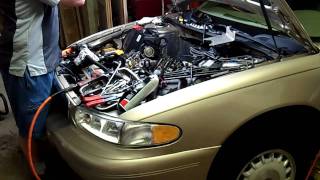
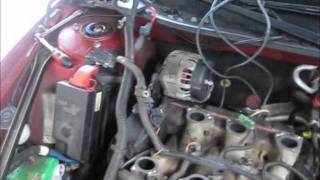
The 1998-2005 Buick Century, with its 3.1L V6 engine, has a well-known and widespread problem: the original lower intake manifold gaskets fail prematurely. This isn't a rare occurrence; it's a fundamental design flaw. The original gaskets were made of a plastic-composite material that degrades over time when exposed to engine heat and GM's own Dex-Cool coolant. This degradation causes the gasket to crack and fail, leading to coolant leaks 🎬 Watch this video to see exactly how these gaskets leak. that can be catastrophic for the engine. This issue was so common that it resulted in a class-action lawsuit against General Motors.
Is an Aftermarket Gasket Better Than OEM?
Yes. For this specific repair, a quality aftermarket gasket set is considered a significant upgrade over the original factory part. Aftermarket brands like ACDelco (updated design), Victor Gaskets, and others engineered solutions to the original problem. Instead of the failure-prone plastic, these improved gaskets use a rigid, aluminized steel carrier with durable, molded silicone or rubber seals. This design resists heat and coolant exposure far better than the original, preventing a repeat failure.
Choosing the Right Aftermarket Gasket Set
When shopping for a replacement, focus on the gasket's construction. Avoid any old-stock, plastic-style gaskets. You want a set with a metal core.
- Premium Brands (Recommended): Brands like ACDelco (updated design) and Victor Gaskets (Victor Reinz) offer problem-solving designs. They feature steel carriers and high-quality silicone seals that are specifically made to fix the original GM flaw. These are the preferred choice for a long-term, reliable repair.
- Standard Brands: Brands like Apex offer a more budget-friendly option. While they meet OEM specifications, they may not feature the same robust, problem-solver construction as the premium brands. They are a viable choice if cost is the primary concern, but the premium brands provide more peace of mind.
Pro Tip: Replace More Than Just the Gaskets
Since this is a labor-intensive job, it's smart to replace several other items at the same time. Always install new torque-to-yield (TTY) intake manifold bolts, as the old ones are designed for single use and can break if reused. It is also wise to replace the thermostat, perform a coolant flush (using a compatible Dex-Cool coolant), and change the engine oil and filter, especially if there was any coolant contamination.
Known Issues, TSBs, and Recalls
There were no official recalls for this specific issue on the Buick Century. However, GM did issue Technical Service Bulletins (TSBs) to its dealers, such as TSB #03-06-01-010, which outlined the procedure for replacing the leaking lower intake manifold gasket. The problem was also the subject of a major class-action lawsuit against GM, which provided reimbursement to owners who had paid for repairs.
| Part/Service | Estimated Cost |
|---|---|
| New Aftermarket Gasket Set | $8.60 - $154.23 |
| Shop Labor | $359 - $537 |
| Total Professional Repair | $368 - $691+ |
Frequently Asked Questions (FAQ)
Why did my original gasket fail?
The original GM gaskets were made from a nylon composite that couldn't withstand long-term exposure to engine heat and Dex-Cool coolant. The material becomes brittle, cracks, and allows coolant to leak either externally onto the engine or internally into the oil.
Can I do this repair myself?
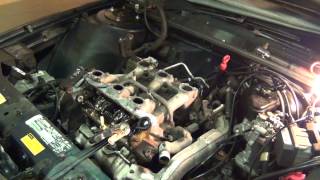
This is a challenging job for a beginner. It is considered feasible for an experienced DIY mechanic with the right tools. The process involves draining the cooling system, removing the upper and lower intake manifolds, cleaning all surfaces meticulously, and reassembling everything to specific torque specifications. 🎬 Watch a complete step-by-step walkthrough of this manifold repair. If you are not comfortable with this level of work, it is best to leave it to a professional.
What happens if I don't fix it?
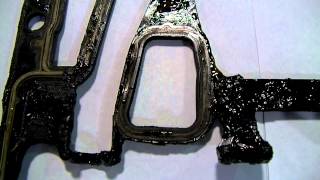
Ignoring a leaking intake manifold gasket can destroy your engine. An external leak will lead to overheating. An internal leak is far worse; it mixes coolant with your engine oil, turning it into a milky sludge that cannot 🎬 See what happens when coolant turns your oil into sludge. lubricate properly. This quickly leads to catastrophic failure of engine bearings and other internal components, requiring a complete engine replacement.
Do I need to use a specific type of coolant afterward?
Yes, you should refill the system with an OAT (Organic Acid Technology) coolant that is compatible with GM's Dex-Cool specification. Using the wrong type or mixing coolants can cause sludge and corrosion, leading to other cooling system problems.
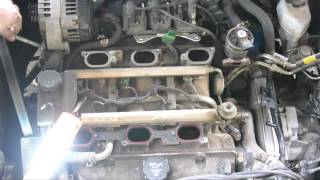
Helpful Videos
Technical Specifications
OEM Part Numbers: 19169127
This repair applies to the 3.1L V6 engine (VIN code 'J') used in the 1998-2005 Buick Century. The key is to use an updated gasket set with a metal carrier and silicone seals, not the original plastic design.
We Have This Part in Stock


The information in this article is provided for general reference and educational purposes only. Vehicle specifications, procedures, and part compatibility can vary by production date, trim level, and region. Always consult your vehicle's factory service manual and verify part numbers before purchasing or performing repairs. Safety-critical components such as airbags, seat belts, and braking systems should be installed by a qualified professional.
- Buick Century: