

A Comprehensive Guide to the 1998-2005 Chevrolet Impala Radiator
Keep your Impala's engine cool and prevent overheating by understanding when and how to replace a failing radiator.
- The most common failure is a crack in the plastic side tanks, causing coolant leaks.
- For this vehicle's age, a quality aftermarket radiator from a brand like Denso or Spectra offers the best value.
- Always use the correct orange Dex-Cool coolant and never mix it with other types to prevent system-clogging sludge.
- While replacing the radiator, it is a good idea to also replace the radiator cap and hoses to prevent future failures.
Is Your Impala's Radiator Failing? Common Symptoms to Watch For
A failing radiator can lead to major engine problems. For the 2000-2005 Impala, the most common radiator failure is a crack in the plastic tanks on the sides of the unit. This happens as the plastic gets old and brittle from countless heat cycles. Here are the key signs that your radiator needs attention:
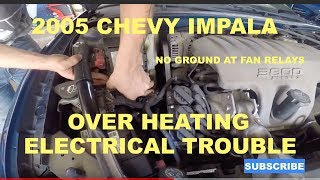
- Engine Temperature Gauge Creeping Up: If you see the needle moving into the hot zone, especially while idling or in stop-and-go traffic, 🎬 Watch: Troubleshooting overheating caused by cooling fan electrical issues. your cooling system is struggling.
- Visible Coolant Leaks: You might see puddles of green, orange, or pink fluid under the front of your car. This is a sure sign of a leak. Check the radiator itself, the hoses, and the area around the water pump on the passenger side of the engine.
- Low Coolant Light: The low coolant warning on your dashboard is a direct signal to check your system for leaks. A cracked radiator is a frequent cause.
- Sweet Smell: Burning coolant has a distinct, sweet odor. If you smell this inside or outside your car, coolant is leaking onto a hot engine part.
- Steam from Engine Bay: If you see steam coming from under the hood, pull over immediately when it's safe. This indicates a significant leak and an overheating engine.
A Note on Dex-Cool Sludge
These Impala models use a specific orange coolant called Dex-Cool. If this coolant is mixed with traditional green coolant, it can turn into a thick, brown sludge that clogs the entire cooling system, including the radiator. If you see this sludge in your coolant reservoir, the system will need a thorough flush, and the radiator may need to be replaced.
Choosing the Right Aftermarket Radiator for Your Impala
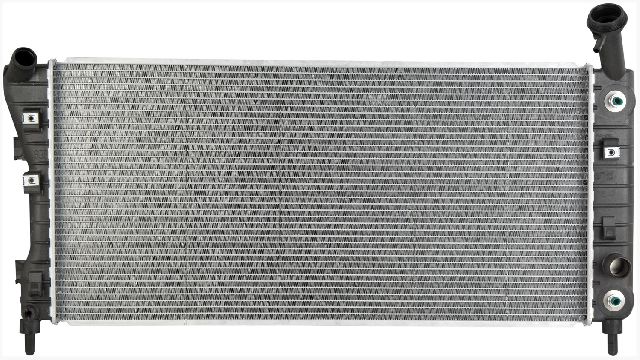
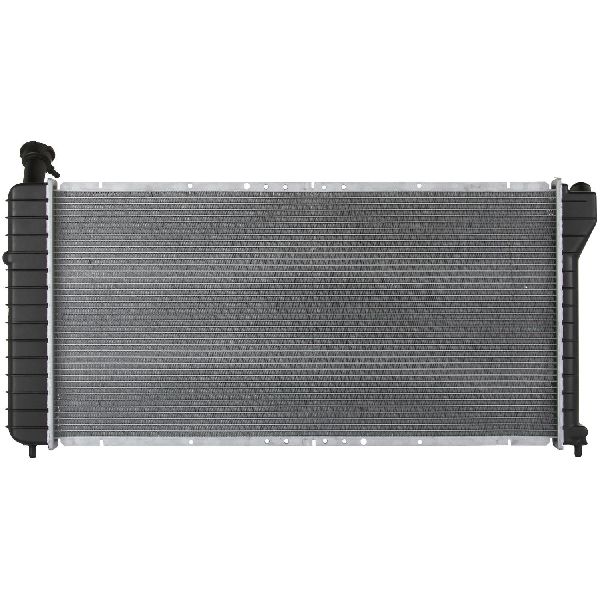
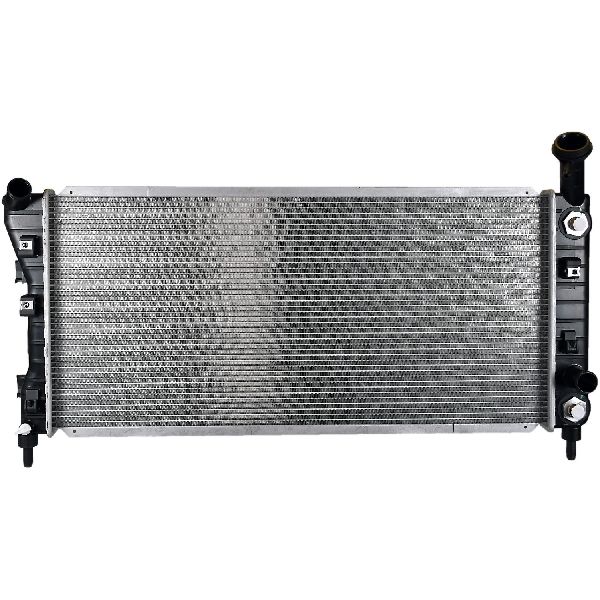
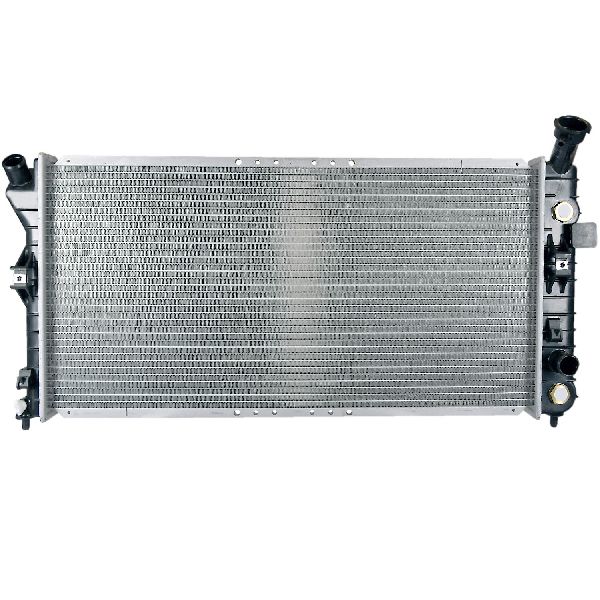
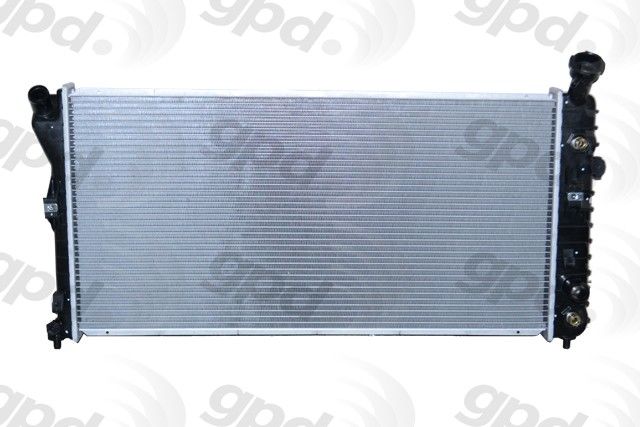
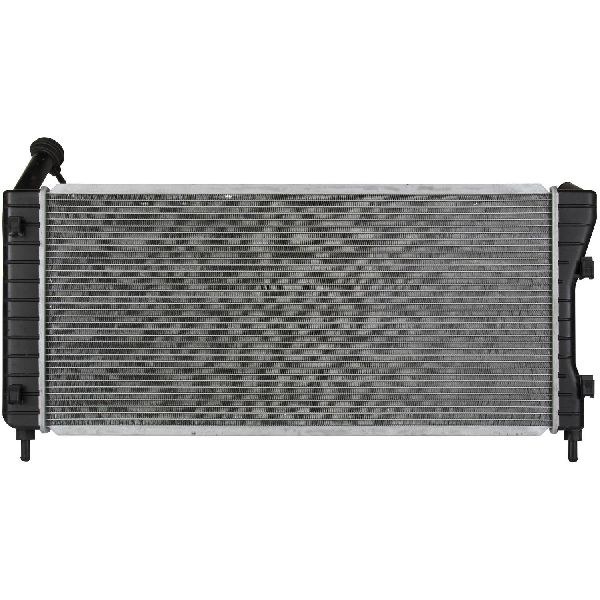
For a vehicle like the 1998-2005 Impala, an aftermarket radiator offers the best value. The original factory radiators were made with an aluminum core and plastic side tanks, and most aftermarket replacements are built the same way. The key difference between brands is often build quality and warranty.
Brand Tiers
- Premium Aftermarket (e.g., Denso): Denso is an original equipment manufacturer for many car brands and has a reputation for high-quality parts that fit and function like the original. While they are often priced higher than other aftermarket options, many mechanics and owners trust the brand for its reliability.
- Quality Standard Aftermarket (e.g., Spectra): Brands like Spectra Premium offer a good balance of quality and price. They are a popular choice and many users report good experiences with them, noting they are a reliable replacement for the original.
- Value Brands (e.g., APDI, Global Parts, Onix, One Stop Solutions): These brands focus on providing a cost-effective solution. They are designed to meet original specifications and can be a good choice for budget-conscious repairs. While they may not have the same brand recognition as Denso, they provide a functional replacement to get your Impala back on the road.
Pro Tip: Check Your Connections
The 2000-2005 Impala radiator has connections for both engine coolant hoses and transmission fluid lines. The transmission lines are typically held in with small C-clips. Before ordering, confirm your engine size (3.4L or 3.8L) to ensure the hose and line connections match up perfectly. Some models, particularly those with the supercharged 3.8L V6, may have a specific radiator.
Installation & Cost
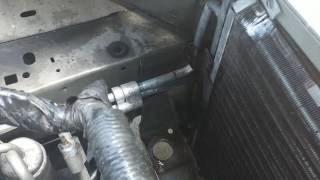
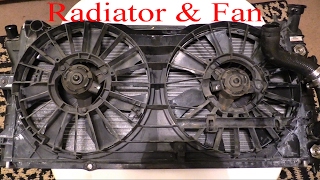
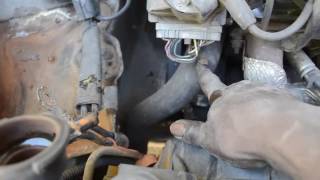
Replacing the radiator on a 2000-2005 Impala is a manageable job for a DIYer with some experience. The process involves draining the coolant, removing the upper radiator support, disconnecting hoses and transmission lines, unplugging the cooling fans, and lifting the radiator and fan assembly out. 🎬 Watch: An up-close look at removing the radiator and fans. It typically takes 2-3 hours.
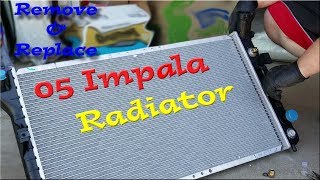
🎬 See this step-by-step radiator removal and replacement walkthrough.| Item | Estimated Cost |
|---|---|
| New Aftermarket Radiator | $121.64 - $216.12 |
| Shop Labor | $292 - $428 |
| Total Professional Installation | $414 - $644 |
Frequently Asked Questions
Are there any recalls on the 2000-2005 Impala radiator?
No, there are no specific recalls for the radiator itself. However, there was a safety recall for some 2000-2004 models with the 3.8L V6 engine related to potential oil leaks onto the exhaust manifold, which could cause a fire. This highlights the importance of keeping the engine bay clean and addressing any leaks promptly.
What is the OBD-II code P0128 and is it related to the radiator?
P0128 means the engine's coolant temperature is below what the computer expects to see after a certain amount of time. The most common cause is a thermostat that is stuck open. However, a leaking radiator that causes the coolant level to be too low can also contribute to this code. If you get this code, check your coolant level first. If it's low, you likely have a leak that needs to be fixed.
Can I just use a stop-leak product?
While stop-leak products can sometimes offer a temporary fix for very small leaks, they are not a permanent solution for a cracked radiator tank. These products can also potentially clog the small passages in the radiator and heater core, leading to more problems down the road. A proper replacement is the only reliable, long-term repair.
Do I need to replace my radiator cap and hoses at the same time?
It is highly recommended. The radiator cap holds pressure in the system, and an old, weak cap can cause issues. Radiator hoses get soft and brittle over time and can fail without warning. Replacing the radiator is the perfect time to install a new cap and new upper and lower hoses for complete peace of mind.
Helpful Videos
Technical Specifications
OEM Part Numbers: 89018543 88957431 52487052 89018542 21560
Core Material: Aluminum, Tank Material: Plastic. Note that different radiators exist for the naturally aspirated and supercharged engines. Verify your specific engine before purchase.
We Have This Part in Stock

The information in this article is provided for general reference and educational purposes only. Vehicle specifications, procedures, and part compatibility can vary by production date, trim level, and region. Always consult your vehicle's factory service manual and verify part numbers before purchasing or performing repairs. Safety-critical components such as airbags, seat belts, and braking systems should be installed by a qualified professional.
- Chevrolet Impala: