

Dodge Durango Alternator Guide (1998-2005): Symptoms, Brands, and Replacement
Don't get stranded by a failing alternator—here's what every 1st Gen Durango owner needs to know before buying a replacement.
- Verify the correct amperage (90A, 117A, 136A, etc.) of your original alternator before purchasing a replacement; they are not interchangeable.
- Always test the battery and check cable connections and the main fusible link before condemning the alternator.
- Symptoms like dimming lights, whining noises, and a battery light are the most common indicators of a failing alternator.
- For maximum reliability, choose a new or remanufactured unit from a premium OE supplier like Bosch or Denso.
Is Your Durango's Alternator Failing?
A bad alternator can leave you stranded without warning. Before the alternator fails completely, your Durango will usually give you a few warning signs. Recognizing them early can save you from a tow truck.
Common Failure Symptoms:
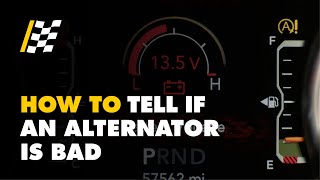
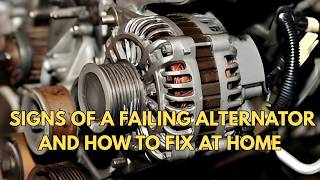
🎬 Watch: A breakdown of common symptoms and proven fixes.- Dimming or Flickering Lights: This is the most common symptom. You may notice headlights, dash lights, and interior lights dimming at idle and brightening as you rev the engine.
- 'GEN' or Battery Warning Light: A red battery icon or a 'GEN' (generator) light on your dashboard indicates a problem with the charging system.
- Whining or Grinding Noises: A high-pitched whine that changes with engine RPM often points to failing bearings inside the alternator. A more severe grinding noise means failure is imminent.
- Slow or Malfunctioning Electronics: Power windows that move slowly, a radio that cuts out, or other strange electrical behavior can be caused by insufficient voltage from a weak alternator.
- Weak or Dead Battery: The alternator is supposed to recharge the battery. If the alternator is bad, your vehicle will run on battery power alone until it's completely drained.
- Engine Stalling: A failing alternator can't provide enough power to the ignition and fuel systems, which can cause the engine to stall while driving.
Before You Replace the Alternator...
Many charging problems on the 1998-2005 Durango are mistaken for a bad alternator. Always check these items first:
- Battery Health: Have your battery load-tested. A battery that can't hold a charge will make a good alternator seem faulty.
- Cables and Connections: Check for corrosion on the battery terminals and ensure the ground wires are clean and tight.
- Serpentine Belt and Tensioner: A worn, loose, or slipping belt can't spin the alternator pulley effectively.
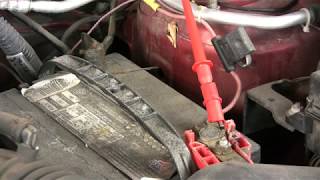
- Fusible Link: These Durangos have a main alternator fuse (often a 140A fusible link) that can blow, cutting the connection between 🎬 See how to perform a quick fusible link test first. the alternator and the battery.
- PCM Function: Since the PCM controls the alternator, a rare PCM failure can also cause charging issues.
Choosing the Right Aftermarket Alternator
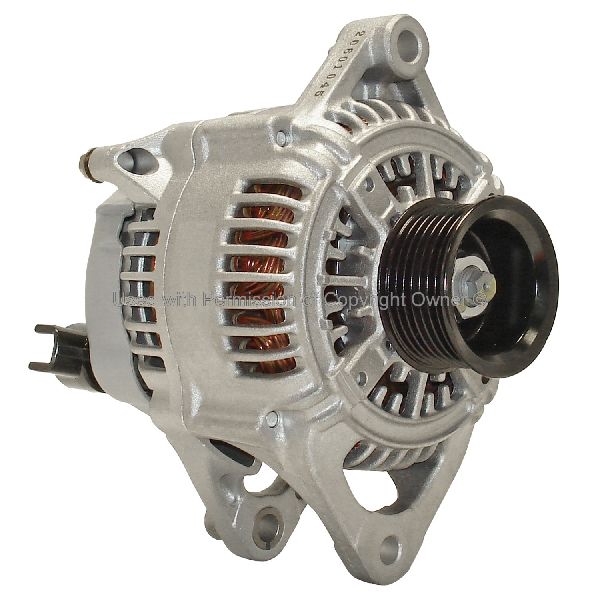
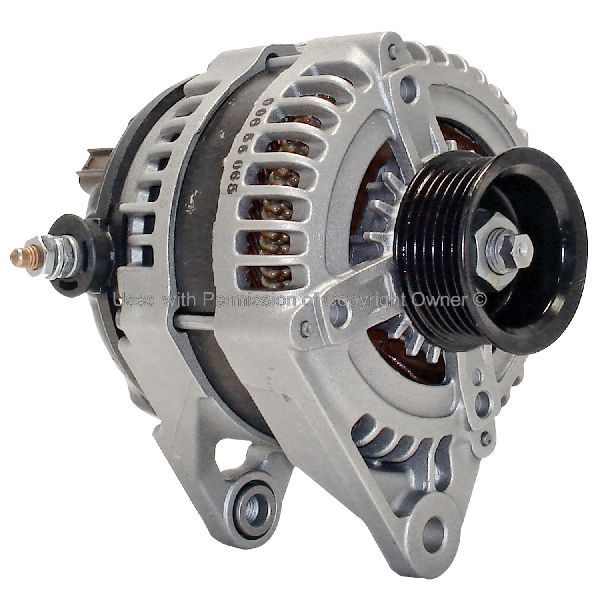
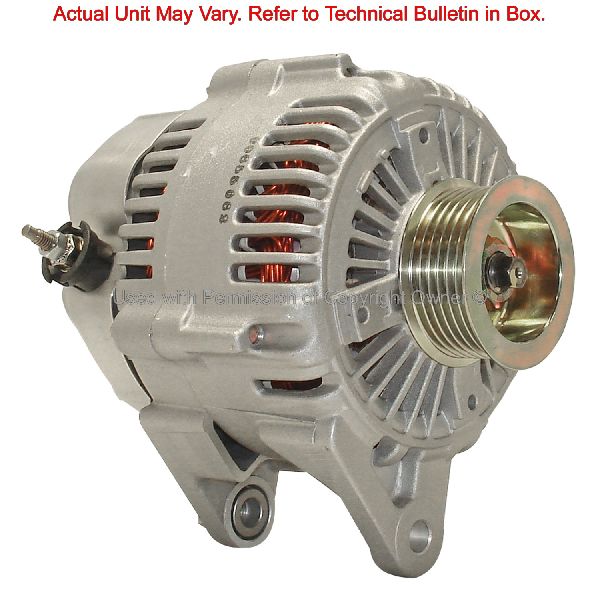
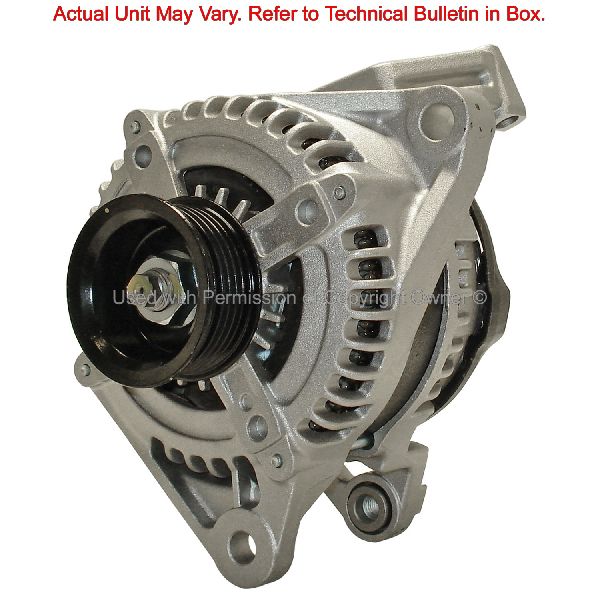
When shopping for a new aftermarket alternator, the most critical factor is matching the amperage (e.g., 90A, 117A, 136A) to your vehicle's original specifications. Using an alternator with the wrong amperage can cause electrical issues. You can find the amperage rating on the sticker of your original alternator. If you have added significant electrical accessories like a powerful stereo, winch, or extra lights, consider a high-output unit.
Aftermarket Brand Tiers
- Premium Brands (Bosch, Denso): These companies are often the original equipment (OE) manufacturers for many automakers. They are widely regarded as the highest quality and most reliable aftermarket choice, with rigorous testing and durable internal components. If you want fit-and-forget reliability, these are your best bet.
- Quality Standard Brands (ACDelco, Remy, WAI Global, MPA): This category offers a good balance of price and performance. ACDelco is a trusted name with a long history. Remy and MPA (including their BBB Industries brand) are major remanufacturers that supply many auto parts stores, though quality can sometimes be inconsistent with remanufactured parts. WAI Global is another popular option, but some users have reported issues with noise and longevity.
- Performance/High-Output Brands (Powermaster): If you're running a lot of extra electronics, a stock-amperage alternator may not keep up. Powermaster specializes in high-output alternators that provide more power, especially at idle. This is an upgrade and may require wiring improvements (like the 'Big 3' upgrade) to handle the extra current.
Pro Tip: New vs. Remanufactured
A 'new' aftermarket alternator is built with all-new components. A 'remanufactured' or 'reman' unit has been disassembled, cleaned, and had its worn-out components (like bearings, brushes, and the voltage regulator) replaced. While remanufactured units from quality brands like Denso or Bosch are very reliable, new units generally have a lower failure rate out of the box.
Cost to Replace a Dodge Durango Alternator
The total cost depends on the part you choose and local labor rates. You can save significantly by doing the job yourself.
| Item | Estimated Cost |
|---|---|
| New Aftermarket Part | $98 - $450 |
| Shop Labor | $120 - $175 |
| Total Professional Replacement | $218 - $625 |
Cost estimates are based on national averages and may vary.
Frequently Asked Questions
Can I replace the alternator myself?
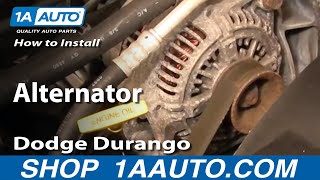
Yes, for a moderately skilled DIYer, this is a manageable job. It typically takes 1-2 hours. You will need basic hand tools, including a socket set and a serpentine belt tool. The process involves disconnecting the battery, removing the serpentine belt, unplugging the electrical connectors, and unbolting the alternator from its bracket. Access can be tight, especially on V8 models.
🎬 Follow this step-by-step guide to replace your Durango's alternator.How do I test my alternator?
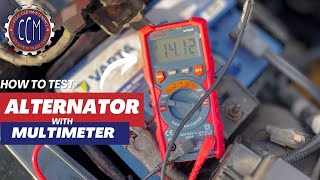
The easiest way is with a multimeter. Set it to DC volts. With the engine off, a healthy battery should read about 12.5-12.8 volts. Start the engine. With the alternator working correctly, the reading at the battery terminals should rise to between 13.8 and 14.4 volts. If the voltage stays the same or drops, your charging system isn't working.
Do I need a high-output alternator?
For a stock Durango, no. The original amperage is sufficient. However, if you have added high-draw accessories like a large audio system with amplifiers, off-road lights, a winch, or other electronics, a high-output alternator is a wise investment to prevent electrical issues and ensure everything runs properly.
What is the difference between alternator amperages?
Amperage is a measure of electrical current output. Your Durango came with one of several possible alternator amperages from the factory (e.g., 90A, 117A, 136A). It is critical to replace your alternator with one that has at least the same amperage as the original to ensure it can meet the vehicle's electrical demands. Installing an under-rated alternator will lead to premature failure.
Helpful Videos

Technical Specifications
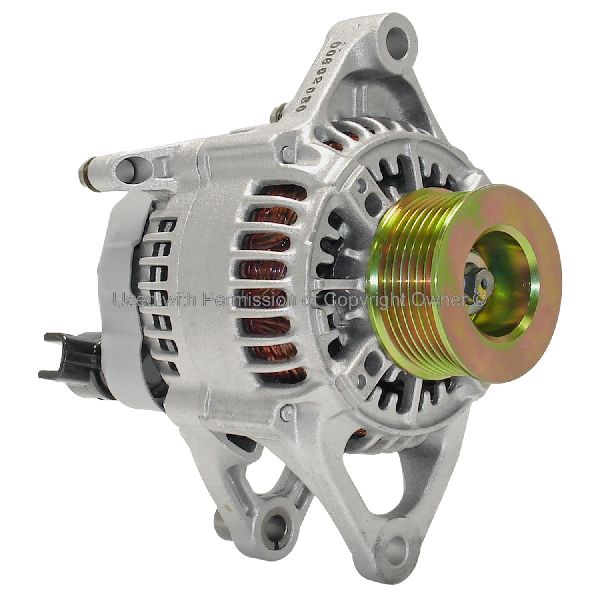
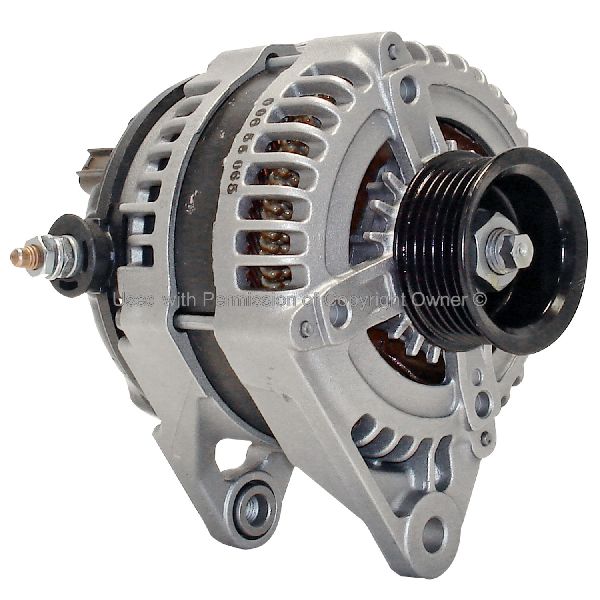
OEM Part Numbers: 56027913 56027913AB 56028920AA 56041322 56027913AC
Amperage ratings vary by engine and model year. Common stock amperages include 90A, 117A, 136A, and 160A. It is critical to match the output of the original unit. The voltage regulator is controlled by the vehicle's Powertrain Control Module (PCM).
We Have This Part in Stock

The information in this article is provided for general reference and educational purposes only. Vehicle specifications, procedures, and part compatibility can vary by production date, trim level, and region. Always consult your vehicle's factory service manual and verify part numbers before purchasing or performing repairs. Safety-critical components such as airbags, seat belts, and braking systems should be installed by a qualified professional.
- Dodge Durango:
- 🎬 Helpful Videos
- 🛍️ Shop This Part
- Is Your Durango's Alternator Failing?
- Common Failure Symptoms:
- Before You Replace the Alternator...
- Choosing the Right Aftermarket Alternator
- Aftermarket Brand Tiers
- Pro Tip: New vs. Remanufactured
- Cost to Replace a Dodge Durango Alternator
- Frequently Asked Questions
- 🎟️ Get 5% Off