

GMC Safari Engine Oil Pressure Switch Guide (1998-2005)
Is your oil pressure gauge acting up? Here's what Safari owners need to know about fixing it.
- A fluctuating or incorrect oil pressure gauge is the most common sign of a bad switch on the Safari.
- The switch is located in a tight spot behind the engine near the distributor.
- You must use a special oil pressure switch socket for removal and installation.
- Always check the engine oil level first before assuming the switch is the problem.
Understanding Oil Pressure Switch Failures in Your Safari
If you own a 1998-2005 GMC Safari, you're likely familiar with its durable 4.3L Vortec V6 engine. However, some of the smaller parts, like the oil pressure switch (also called a sending unit or sensor), can wear out over time. A faulty switch can cause a lot of worry, but it's usually a straightforward fix.
Don't Ignore the Warnings
While a bad switch is the most common cause of a crazy oil gauge, you should never assume. An oil pressure warning can also signal a serious mechanical problem like a failing oil pump or low oil level. Always check your oil level first. If the engine is making knocking or ticking noises, stop driving immediately and have it checked by a professional.
Common Symptoms of a Failing Switch
A bad oil pressure switch on the Safari typically shows one of these signs:
- Fluctuating Gauge: The needle on your oil pressure gauge bounces around randomly, not related to engine speed.
- Gauge Maxed Out or at Zero: The gauge reads extremely high or shows no pressure at all, even when the engine is running fine.
- Flickering Oil Light: The red oil pressure warning light on the dash may flicker, especially at idle.
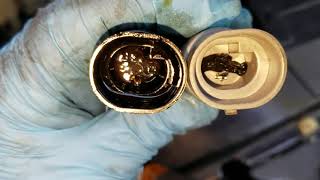
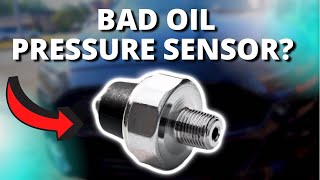
- Oil Leak: The switch itself can fail internally and leak oil. You might see oil on the back of the engine block or on the ground. 🎬 Watch: A quick guide to identifying symptoms of a bad sensor.
Choosing the Right Aftermarket Part
For a part like this, you don't necessarily need to go to a GM dealer. Quality aftermarket brands offer reliable performance at a better price. Here’s a look at the options:
- Premium Aftermarket (Standard Ignition): Standard Motor Products (SMP) is a well-respected brand that often manufactures parts for original automakers. They are known for high-quality materials and rigorous testing, making them a top choice for reliability. Many professional technicians trust and use their parts.
- OE-Quality Aftermarket (Rostra Powertrain): Rostra is a certified OE manufacturer for some brands and is known for its quality electronic components and transmission parts. Their products are a solid, dependable choice for your Safari.
- Standard Aftermarket (Global Parts): Brands like Global Parts offer a cost-effective solution. While they provide a functional replacement that meets basic requirements, they may not have the same long-term durability or rigorous testing as premium brands.
Pro Tip: Get the Right Tool
Replacing this switch requires a special oil pressure switch socket. It's a deep socket with a cutout that allows it to fit over the sensor's plastic connector. Trying to use a standard deep socket will not work and can damage the new switch.
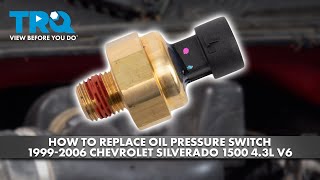
🎬 See this replacement walkthrough for the 4.3L V6 engine.Cost Breakdown for Replacement
| Part Type | Estimated Cost |
|---|---|
| New Aftermarket | $21.34 - $65.23 |
| New OEM (GM Genuine) | $70 - $110 |
| Shop Labor | $100 - $200 |
Frequently Asked Questions
Where is the oil pressure switch located on a 1998-2005 GMC Safari?
The oil pressure switch is located on the top rear of the engine block, near the distributor. 🎬 Watch: See exactly where the switch is located on the Safari. It can be difficult to see and reach. Accessing it from the driver's side of the engine bay is often the best approach. Some mechanics remove the distributor cap for better access.
Can a bad oil pressure switch cause my Safari to not start?
It's unlikely to cause a no-start condition. However, because it can be part of the fuel pump's power circuit, a complete failure could potentially cause the engine to stall while driving if the primary fuel pump relay also fails.
Is an oil leak from the switch a serious problem?
Yes. Any oil leak should be addressed. A leak from the switch can make a mess and, if it gets bad enough, can lead to low oil levels, which can cause catastrophic engine damage. The switch's internal diaphragm has failed when it leaks through the body or connector.
Do I need to use thread sealant on the new switch?
Most new aftermarket and OEM switches come with thread sealant already applied. Check the new part's threads. If sealant is present, you do not need to add more. If there is no sealant, it is a good idea to apply a small amount of Teflon tape or liquid thread sealant to prevent leaks.
Helpful Videos

Technical Specifications
OEM Part Numbers: 19244500 19244501 12553175
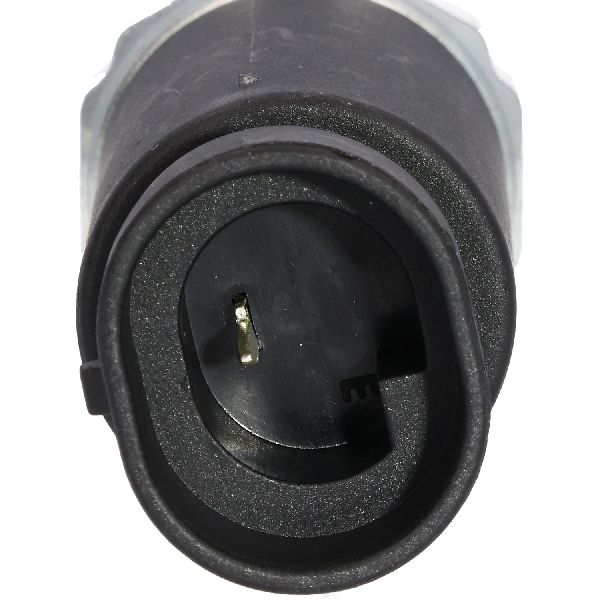
The switch for the 1998-2005 GMC Safari with the 4.3L V6 is typically a 3-terminal switch that serves both the gauge and the redundant fuel pump circuit.
We Have This Part in Stock


The information in this article is provided for general reference and educational purposes only. Vehicle specifications, procedures, and part compatibility can vary by production date, trim level, and region. Always consult your vehicle's factory service manual and verify part numbers before purchasing or performing repairs. Safety-critical components such as airbags, seat belts, and braking systems should be installed by a qualified professional.
- GMC Safari: