

Lincoln Navigator Engine Cylinder Head Temperature Sensor Guide (1998-2005)
Don't get stranded by a bad sensor; understand this critical part in your Navigator's 5.4L V8.
- This is not a simple coolant sensor; it's a Cylinder Head Temperature (CHT) sensor that measures engine metal temperature.
- Replacement is a difficult, labor-intensive job because the sensor is located under the intake manifold.
- Due to high labor costs, using a high-quality OEM (Motorcraft) or premium aftermarket part is strongly recommended to avoid repeat repairs.
- Symptoms include an erratic temp gauge, constantly running fans, and Check Engine Light codes like P1289 and P1299.
Understanding Your Navigator's Unique Temperature Sensor
Unlike many vehicles, the 1998-2005 Lincoln Navigator with the 5.4L V8 engine does not have a standard sensor that sits in the coolant. Instead, it uses a Cylinder Head Temperature (CHT) sensor that reads the actual temperature of the engine's metal. The computer uses this reading to manage engine performance, control the temperature gauge on your dash, and operate the cooling fans. Because it serves so many functions, a failure can cause a wide range of confusing problems.
Symptoms of a Failing CHT Sensor
A bad CHT sensor can make your Navigator run poorly or seem like it has a major cooling system problem, even when it doesn't. Here are the most common signs:
- Check Engine Light: This is a very common symptom. The light may be accompanied by diagnostic trouble codes (DTCs) like P1289 (CHT Sensor Circuit High), P1299 (Cylinder Head Overtemperature Protection Active), P0117 🎬 See how to fix the P1299 overtemperature protection code. (Low Input), or P0118 (High Input).
- Erratic Temperature Gauge: The temperature gauge on your dashboard might shoot to HOT just moments after starting the engine, or it might not move at all, staying on COLD.
- Cooling Fans Run Constantly: The sensor might incorrectly tell the computer the engine is overheating, causing the cooling fans to run on high speed all the time, even when the engine is cold.
- Poor Engine Performance: You might experience a loss of power, rough idling, stalling, and poor fuel economy because the computer is getting incorrect temperature data.
A Note on Replacement Difficulty
Replacing the CHT sensor on the 1998-2005 Navigator is a very difficult job. The sensor is located on the driver's side cylinder head, buried underneath the intake manifold. Most mechanics will need to remove the entire intake manifold to access it, which is a labor-intensive process that takes several hours. This is not a recommended job for a beginner.
🎬 Watch this walkthrough of the difficult sensor replacement process.Choosing the Right Aftermarket CHT Sensor
Because labor is the biggest part of this repair's cost, it is critical to choose a quality replacement part. Doing the job twice because of a cheap, failed sensor will be very expensive. While the original Motorcraft part is widely considered the most reliable option, some aftermarket brands offer a good balance of quality and price.
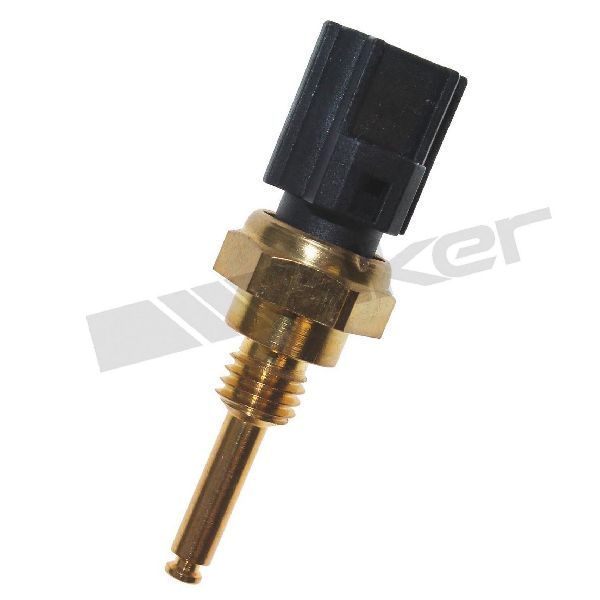
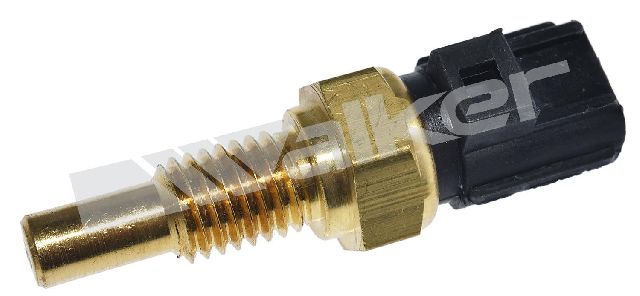
- Premium Aftermarket (Recommended): Brands like Standard Ignition (SMP) and Walker Products have a solid reputation for producing reliable sensors. These are often the best choice if you are not buying an OEM Motorcraft part.
- Economy Aftermarket: Brands like Facet, Global Parts, Holstein, Motorad, and Skyward offer more budget-friendly options. These can be a viable choice if the budget is the primary concern, but be aware that for a hard-to-replace part like this, the risk of premature failure can be higher compared to premium or OEM parts.
Pro Tip: Inspect the Wiring. The sensor's wiring connector is in a high-heat area and often becomes brittle and cracks. Always inspect the connector pigtail during the repair. If it looks damaged, replace it to prevent the new sensor from giving false readings.
Cost to Replace a Lincoln Navigator CHT Sensor
| Part Type | Average Part Cost | Estimated Shop Labor | Total Estimated Cost |
|---|---|---|---|
| New OEM (Motorcraft) | $40 - $70 | $400 - $600 | $440 - $670 |
| New Aftermarket | $15 - $39 | $400 - $600 | $415 - $639 |
Note: Costs are estimates and can vary by location and repair shop. Labor is high due to the need to remove the intake manifold.
Frequently Asked Questions (FAQ)
Where is the CHT sensor located on my 1998-2005 Navigator?
The CHT sensor is located on the driver's side cylinder head, underneath the intake manifold, making it very difficult to see or reach without removing other engine components.
Can I replace the CHT sensor myself?
This is a difficult job best left to experienced DIY mechanics or professionals. The standard procedure requires removing the entire intake manifold, which is a 3-5 hour job and requires specialized knowledge.
🎬 Watch a mechanic replace the sensor on a 5.4L engine.What happens if I don't replace a bad CHT sensor?
Continuing to drive can lead to several issues. Your engine may run in a high-power "fail-safe" mode, causing poor performance and fuel economy. More critically, if the sensor fails to report a true overheating condition, you could suffer severe engine damage like warped cylinder heads.
Are there any recalls for this sensor?
There are no specific NHTSA recalls for the Cylinder Head Temperature Sensor on the 1998-2005 Lincoln Navigator. However, Ford did issue a Technical Service Bulletin (TSB #0343) for some 5.4L engines regarding a crank/no-start condition when cold that could be related to the CHT sensor.
Helpful Videos





Technical Specifications
OEM Part Numbers: F65Z-6G004-AB F75Z-6G004-AA YL1Z-6G004-AA
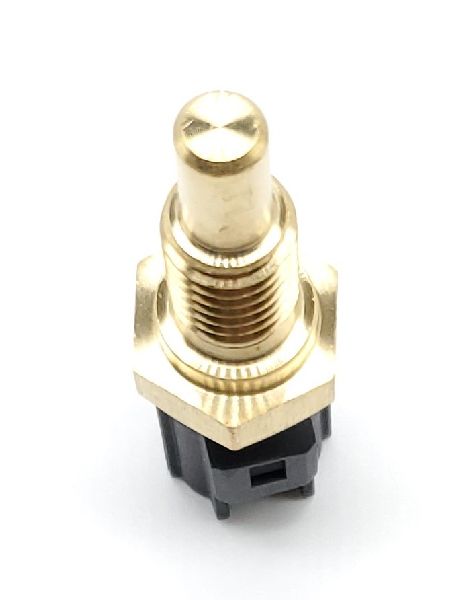
This is a two-wire thermistor sensor that screws into the driver's side cylinder head, under the intake manifold. It provides a temperature reading for the PCM, which then controls the gauge, fans, and fuel/timing strategy.
We Have This Part in Stock



The information in this article is provided for general reference and educational purposes only. Vehicle specifications, procedures, and part compatibility can vary by production date, trim level, and region. Always consult your vehicle's factory service manual and verify part numbers before purchasing or performing repairs. Safety-critical components such as airbags, seat belts, and braking systems should be installed by a qualified professional.
- Lincoln Navigator: