

A Guide to Oxygen Sensors for the 1998-2005 Lincoln Navigator
Keep your Navigator's 5.4L V8 running smoothly by understanding its oxygen sensors.
- Your Navigator has four O2 sensors; upstream sensors affect performance, while downstream sensors monitor the catalytic converters.
- A Check Engine Light with codes like P0141 or P0171 is a primary symptom of failure.
- For best results and longevity, choose high-quality aftermarket brands like Bosch, Denso, or NGK/NTK.
- Replacement is possible for a DIYer with the right O2 sensor socket, but sensors can be difficult to access and remove if rusted.
Is Your Navigator's Oxygen Sensor Failing?
A bad oxygen sensor can cause noticeable problems. Because these sensors get worn out from heat and carbon buildup over time, they are a common replacement item, typically lasting between 60,000 and 100,000 miles. Ignoring a failing sensor can lead to poor engine performance, higher fuel consumption, and even damage to your expensive catalytic converters.
Choosing the Right Aftermarket Oxygen Sensor
When replacing an O2 sensor, you have options ranging from the original equipment manufacturer (OEM) to various aftermarket brands. For your Lincoln Navigator, the OEM brand is Motorcraft, which is made for Ford.
Brand Quality Tiers for 1998-2005 Lincoln Navigator
| Tier | Brands | Notes |
|---|---|---|
| OEM / Premium Aftermarket | Motorcraft, Bosch, Denso, NGK/NTK | These brands are often the original suppliers or are known for meeting or exceeding OEM quality. Denso and NGK (NTK) are highly regarded by mechanics for their reliability and longevity. Bosch invented the O2 sensor and is a leading OEM supplier. While some forum users have mixed experiences with aftermarket Bosch sensors, their OEM-spec parts are generally considered high quality. |
| Quality Aftermarket | Delphi, Walker Products, Spectra | These brands offer a good balance of price and quality. They are a reliable choice for owners looking for a dependable part without the premium price tag of OEM. Walker is a well-known name in exhaust components. |
| Economy Aftermarket | DriveWire, Vemo, other store brands | These are the most budget-friendly options. While they can get your vehicle back on the road, their long-term durability may not match that of premium brands. They can be a viable short-term solution, but for a critical part like an O2 sensor, investing in a higher-tier brand 🎬 Watch this comparison of OEM vs aftermarket sensor performance. is often recommended for peace of mind. |
Known Issues, Recalls, and Service Bulletins
For the 1998-2002 Lincoln Navigator, there was a significant safety recall concerning the speed control deactivation switch, which could overheat and potentially cause an underhood fire. While this is not directly related to the oxygen sensors, it's a critical safety issue for owners to be aware of. No specific recalls or widespread Technical Service Bulletins (TSBs) were found directly for oxygen sensor failure on this generation of Navigator.
A Mechanic's Pro Tip
When you get a code for an oxygen sensor, don't assume the sensor is the only possible problem. A code like P0171 (System Too Lean) could be caused by a vacuum leak, a fuel delivery issue, or a dirty MAF sensor, not just the O2 sensor itself. Good mechanics will diagnose the entire system before 🎬 See how to test for a bad sensor and P0430 codes. replacing parts. Also, always use a small amount of anti-seize compound on the threads of the new sensor to make future replacement easier, but be careful not to get any on the sensor tip itself. Many new sensors come with anti-seize already applied.
Frequently Asked Questions
How many oxygen sensors does my 1998-2005 Lincoln Navigator have?
Your Navigator is equipped with four oxygen sensors. There are two upstream sensors (Bank 1, Sensor 1 and Bank 2, Sensor 1) located in the exhaust manifolds before the catalytic converters, and two downstream sensors (Bank 1, Sensor 2 and Bank 2, Sensor 2) located after the catalytic converters.
Should I replace all four sensors at once?
It's not always necessary. If only one sensor has failed, you can replace just that one. However, since they all have a similar lifespan, if one fails due to high mileage, the others may not be far behind. If your budget allows, replacing them in pairs (both upstream or both downstream) is a good practice.
What's the difference between an upstream and a downstream sensor?
The upstream sensor's primary job is to provide real-time data to the engine computer to adjust the air-fuel mixture. The downstream sensor's main job is to monitor the health of the catalytic converter. A failure in an upstream sensor will have a more immediate impact on engine performance and fuel economy.
Can I install an oxygen sensor myself?
Yes, this is a DIY-feasible job for someone with basic mechanical skills. You will need a special oxygen sensor socket or a 22mm (7/8") wrench, a ratchet, and potentially some penetrating oil if the old sensor is rusted in place. The main difficulty can be accessing the sensors, especially the upstream ones which are tucked up near the engine.
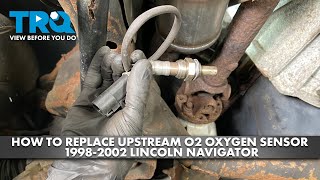
🎬 Follow this step-by-step guide to replacing your upstream sensors.Helpful Videos



Technical Specifications
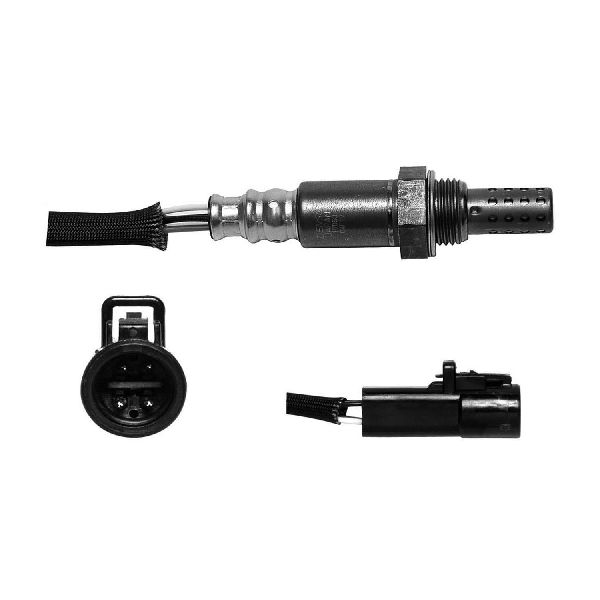
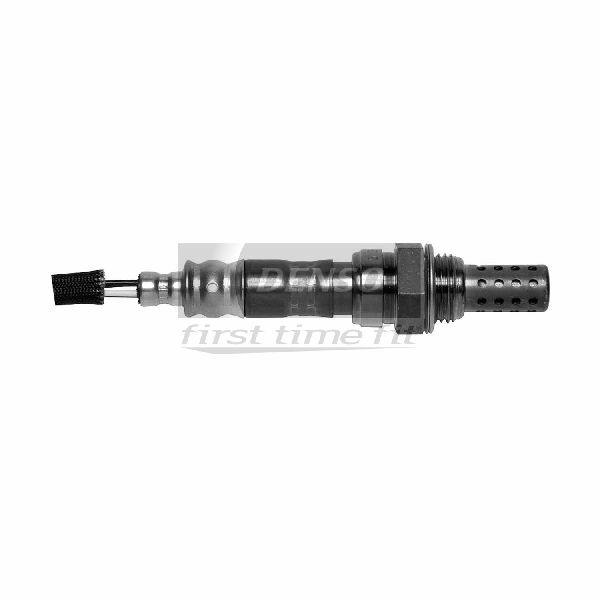
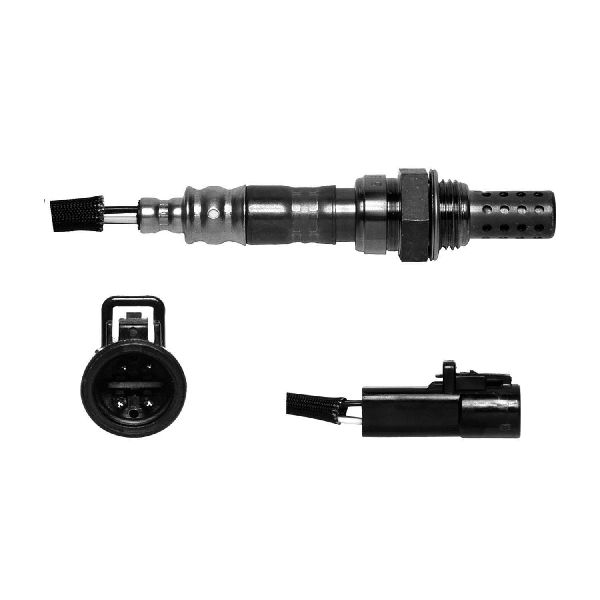
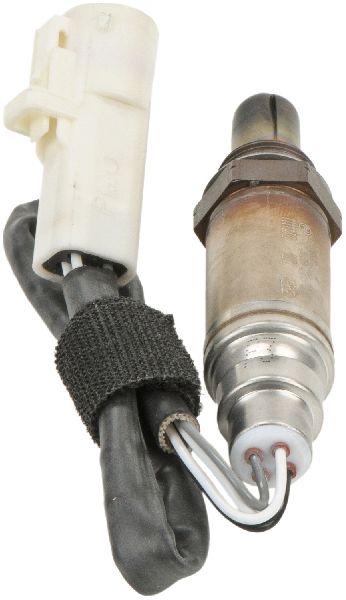
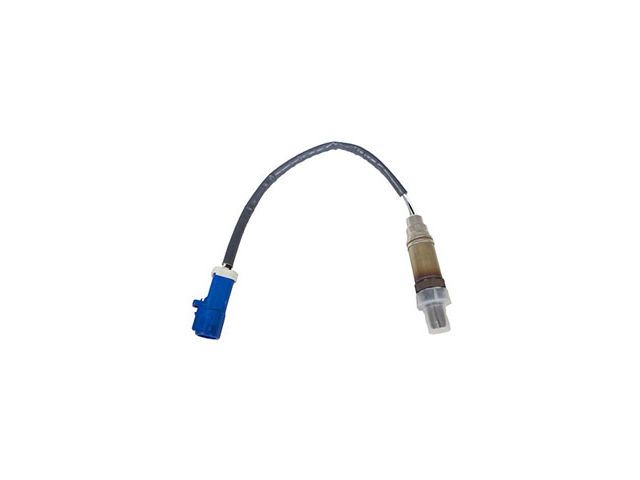
OEM Part Numbers: DY-1401 8F9Z-9F472-B
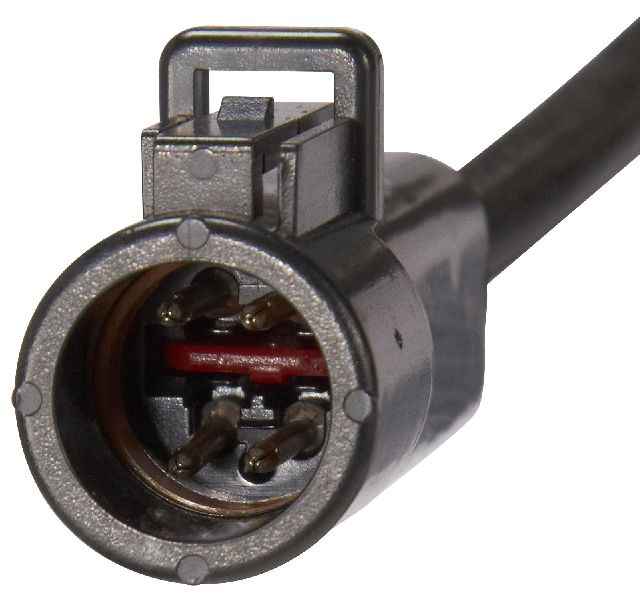
The 1998-2005 Lincoln Navigator uses four heated, 4-wire oxygen sensors with a standard M18x1.5 thread size.
We Have This Part in Stock

The information in this article is provided for general reference and educational purposes only. Vehicle specifications, procedures, and part compatibility can vary by production date, trim level, and region. Always consult your vehicle's factory service manual and verify part numbers before purchasing or performing repairs. Safety-critical components such as airbags, seat belts, and braking systems should be installed by a qualified professional.
- Lincoln Navigator: