

Guide to the 1998-2005 Lincoln Navigator Throttle Position Sensor
Fix poor engine performance, stalling, and erratic shifting by understanding and choosing the right Throttle Position Sensor for your Navigator.
- A failing TPS often causes symptoms like stalling, hesitation, and poor shifting that can be mistaken for transmission failure.
- For best results and longevity, use an OEM Motorcraft or a top-tier aftermarket brand like Delphi.
- Replacement is a simple DIY job that takes under an hour and can save you significant labor costs.
- Check for TSB 05-14-4 if you have a 2005 model with codes P2106 and P2135, as a computer reprogram may be needed.
Is a Failing Throttle Position Sensor Causing Your Navigator's Problems?
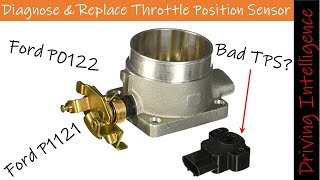
A bad Throttle Position Sensor (TPS) on a 1998-2005 Lincoln Navigator can cause a wide range of frustrating issues that often mimic more serious transmission or engine problems. Because this sensor is a key input for both fuel delivery and transmission shifting, its failure can lead to poor drivability. Symptoms can appear suddenly and may include stalling on the road, a lack of power when you need it, or the engine hesitating when you press the gas pedal.
🎬 Watch a breakdown of common bad throttle position sensor symptoms.Known Issue: TSB for TPS Failure
Ford issued Technical Service Bulletin (TSB) 05-14-4 (which superseded 05-9-15) for some 2005 Lincoln Navigators built on or before November 29, 2004. This TSB addresses issues where the wrench light and check engine light appear with diagnostic trouble codes (DTCs) P2106 and P2135. The official fix involves replacing the TPS and reprogramming the vehicle's main computer (PCM). If you have these specific codes, be aware that a simple part swap may not be enough; a dealer or qualified shop might need to perform the software update.
Choosing the Right Aftermarket TPS Brand
When replacing the TPS, you have a choice between the original equipment (OEM) Motorcraft part and several aftermarket brands. For a critical sensor like this, quality matters.
- OEM - Motorcraft: This is the brand your Navigator came with from the factory. Mechanics and owners widely recommend using Motorcraft for Ford/Lincoln sensors to ensure perfect compatibility and performance as the engineers intended. It's the safest bet for a long-lasting repair.
- Top-Tier Aftermarket - Delphi: Delphi is a well-regarded OEM supplier for many car brands, including Ford. Their sensors are built to meet or exceed original specifications and are known for quality and reliability, making them a strong alternative to Motorcraft.
- Mid-Tier/Economy Aftermarket - Dorman, Standard Ignition, Walker, etc.: These brands offer a more budget-friendly option. Dorman is known for sometimes re-engineering parts to fix original flaws. However, for sensitive electronic parts like a TPS, owner feedback is mixed. While they can work, there's a higher risk of them failing sooner or not performing as smoothly as an OEM or top-tier part. 🎬 See a comparison between Dorman aftermarket and Motorcraft OEM parts.
Pro Tip: Clean the Throttle Body
While you are replacing the TPS, it is a great time to clean the throttle body. Carbon buildup inside the throttle body can cause idle and performance issues. A good cleaning can improve engine response and is a simple, value-added step during the repair.
| Part Type | Estimated Cost |
|---|---|
| New Aftermarket Part | $34 - $112 |
| New OEM (Motorcraft) Part | $143 - $180 |
| Shop Labor | $110 - $161 |
| Total Professional Replacement | $253 - $341 |
Frequently Asked Questions
Can I replace the throttle position sensor myself?
Yes, this is a very DIY-friendly job for most home mechanics. The TPS is located on the side of the throttle body and is typically held on by two screws. The process involves removing the air intake tube, unplugging the sensor, removing the screws, and installing the new one. The entire job usually takes less than an hour with basic hand tools.
🎬 Follow this step-by-step guide to replacing the sensor yourself.Does a new TPS need to be calibrated or reset?
For most 1998-2005 Navigators, a direct swap does not require a special calibration tool. However, after installation, it's a good practice to disconnect the battery for about 15 minutes to clear the computer's memory (Keep Alive Memory or KAM). This forces the computer to relearn the new sensor's parameters. For vehicles falling under TSB 05-14-4, a PCM reprogram by a dealer may be necessary for a complete fix.
What happens if I don't replace a bad TPS?
Ignoring a failing TPS can lead to worsening symptoms. You may experience frequent stalling, which can be dangerous in traffic. The engine may enter a "limp mode" with severely limited power. Persistently poor engine performance can also lead to decreased fuel economy and potentially damage other components over time.
Are there any recalls for the TPS on my Navigator?
There are no specific safety recalls for the throttle position sensor on the 1998-2005 Lincoln Navigator. However, Ford did issue a Technical Service Bulletin (TSB 05-14-4) for some 2005 models that addresses TPS-related issues, recommending a part replacement and computer update.
Helpful Videos

Technical Specifications
OEM Part Numbers: DY-967
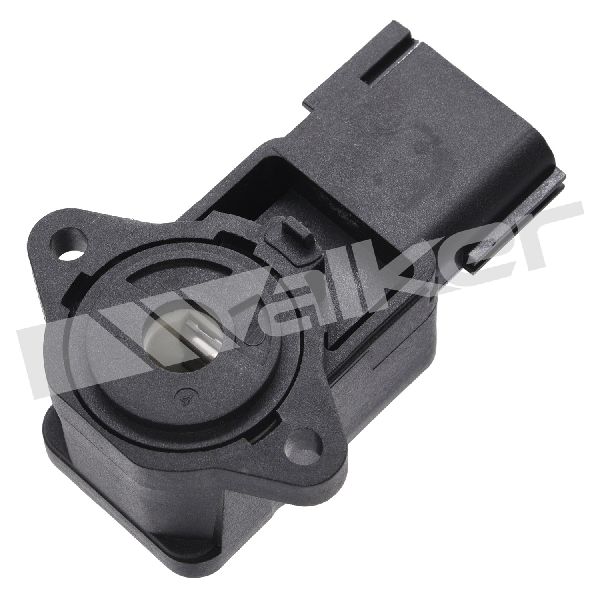
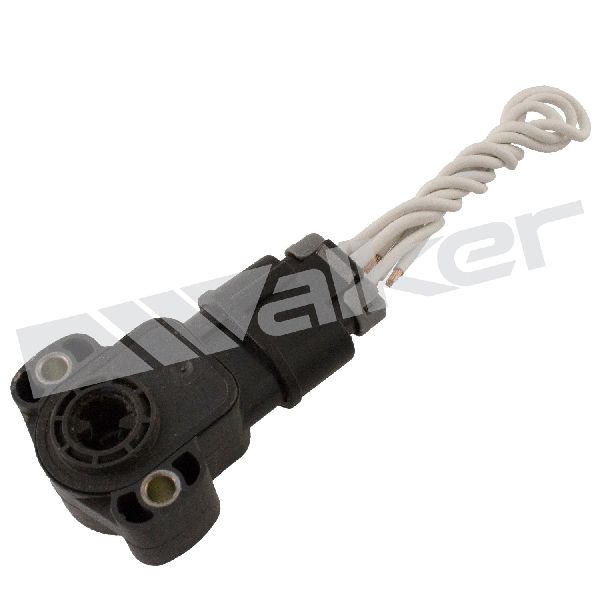
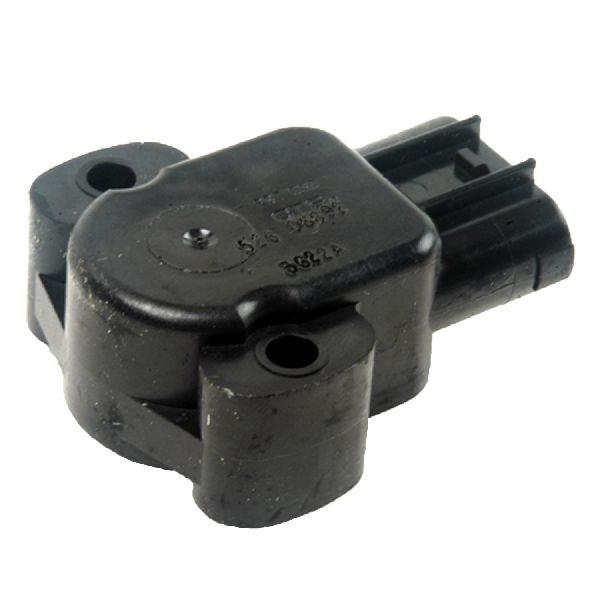
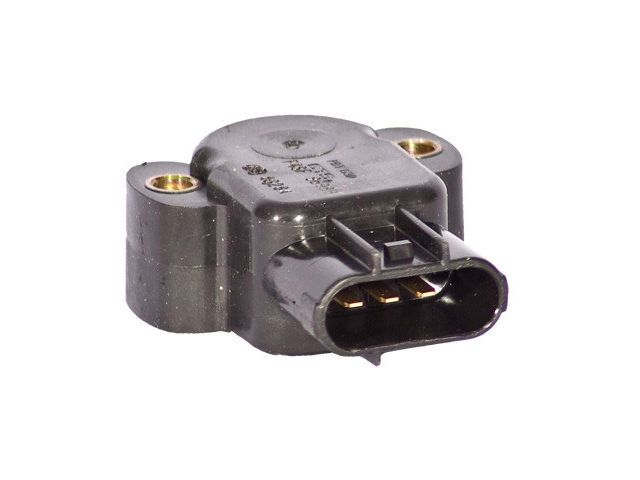
This is a three-pin potentiometer sensor that mounts to the side of the engine's throttle body.
We Have This Part in Stock


The information in this article is provided for general reference and educational purposes only. Vehicle specifications, procedures, and part compatibility can vary by production date, trim level, and region. Always consult your vehicle's factory service manual and verify part numbers before purchasing or performing repairs. Safety-critical components such as airbags, seat belts, and braking systems should be installed by a qualified professional.
- Lincoln Navigator: