

Mercedes-Benz CLK320 (1998-2005) Engine Coolant Temperature Sensor Guide
This small sensor can cause big problems, from poor fuel economy to a check engine light, but it's a simple fix.
- A failing ECT sensor commonly causes a Check Engine Light, poor fuel economy, and rough running.
- Replacement is a simple DIY task, located at the front of the M112 engine, held by a clip.
- Choose reliable aftermarket brands like Mahle, Febi, or Delphi for longevity.
- Ignoring the issue can lead to poor performance and, in rare cases, engine damage from overheating.
Symptoms of a Failing Coolant Temperature Sensor
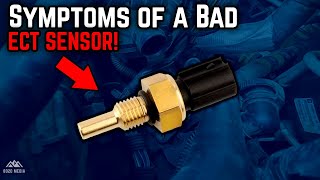
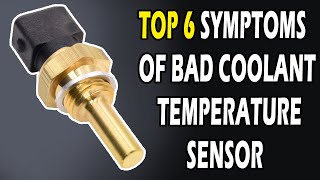
A bad coolant temperature sensor can make your CLK320 run poorly. Because the sensor's data is so important, a false signal can confuse the car's computer, leading to several noticeable issues. You should suspect a problem with the ECT sensor if you experience any of the following.
🎬 Watch a breakdown of common symptoms and repair costs.Common Failure Symptoms
- Check Engine Light: This is often the first sign. The ECU will detect a problem with the sensor's signal and trigger a warning light. Common fault codes include P0115, P0117, and P0118.
- Poor Fuel Economy: If the sensor incorrectly tells the ECU the engine is cold, the computer will enrich the fuel mixture, causing the car to use more gas than necessary.
- Rough Idle or Misfires: An incorrect fuel mixture can lead to the engine running rough, shaking, or misfiring, especially at idle.
- Engine Overheating: A faulty sensor might fail to signal the ECU to turn on the cooling fans when needed, leading to the engine running hotter than it should.
- Black Smoke from Exhaust: In severe cases, a very rich fuel mixture (too much fuel, not enough air) can result in unburnt fuel burning in the exhaust, creating black smoke.
- Hard Starting: The wrong fuel mixture can make the engine difficult to start, especially when cold.
Choosing the Right Aftermarket Sensor
When replacing the ECT sensor on your CLK320, you don't always need to buy a Genuine Mercedes-Benz part. Many aftermarket brands produce quality parts that meet or exceed OEM specifications. Some aftermarket companies are even the original equipment manufacturers (OEMs), meaning they made the part for Mercedes in the first place. Here’s a breakdown of available brands to help you choose.
Pro Tip: For German vehicles like your Mercedes-Benz, brands that are known OEM suppliers or have a strong reputation in Europe are often a safe bet. These include Febi, Mahle, and Vemo.
Brand Tiers for Your CLK320
- Top-Tier Aftermarket (Often OEM/OE quality): Brands like Mahle, Febi, and Delphi have a strong reputation for producing reliable parts for European cars. They are often manufactured to the same standards as the original part.
- Mid-Tier Aftermarket (Reliable & Cost-Effective): Brands such as Standard Ignition, Walker Products, and Four Seasons offer a good balance of quality and price. They are well-known in the aftermarket industry and produce parts that are a dependable alternative to the original.
- Economy-Tier Aftermarket (Budget-Friendly): Brands like URO Parts and True Tech provide a more budget-conscious option. While often functional, quality can sometimes be inconsistent compared to higher-tier brands. For a critical sensor like the ECT, it's often worth spending a few extra dollars for a more reputable brand to avoid premature failure.
Installation Overview
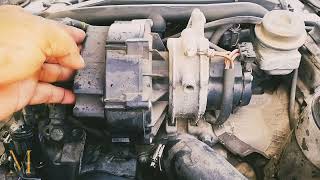
Replacing the ECT sensor on the M112 engine in the CLK320 is a straightforward job that most DIY mechanics can handle. The sensor is located on the front of the engine, below the secondary air pump. You will need to remove the front engine cover and possibly loosen the air pump for better access. The sensor is held in by a small clip, not screwed in. 🎬 See a step-by-step guide to replacing the sensor yourself. Be prepared for a small amount of coolant to spill when you pull the old sensor out; have a rag and a drain pan ready.
| Part Type | Estimated Cost |
|---|---|
| New Aftermarket | $8 - $48 |
| New OEM (Genuine Mercedes-Benz) | $25 - $70 |
| Shop Labor | $75 - $150 |
Frequently Asked Questions
Where is the engine coolant temperature sensor located on a 1998-2005 CLK320?
The sensor is located on the front of the engine, nestled between the thermostat housing and the coolant pump, usually underneath the secondary air pump. You'll need to remove the plastic engine cover to see it.
🎬 Watch this video to help locate the sensor on your engine.Can I replace the coolant temperature sensor myself?
Yes, this is a very DIY-friendly job. It typically requires basic hand tools and takes less than an hour. The main challenges are the tight space and managing the small amount of coolant that will leak out.
Are there any recalls for the coolant temperature sensor on the CLK320?
No, there are no specific recalls for the engine coolant temperature sensor on the 1998-2005 Mercedes-Benz CLK320. While there have been other recalls for this vehicle, none pertain to this specific part.
What happens if I don't replace a bad coolant temperature sensor?
Ignoring a faulty ECT sensor can lead to persistent poor fuel economy, failed emissions tests, and poor engine performance. In a worst-case scenario, if the sensor fails to detect an overheating condition, it could lead to severe internal engine damage.
Helpful Videos

Technical Specifications
OEM Part Numbers: 0005425118 0115425117 0009056102
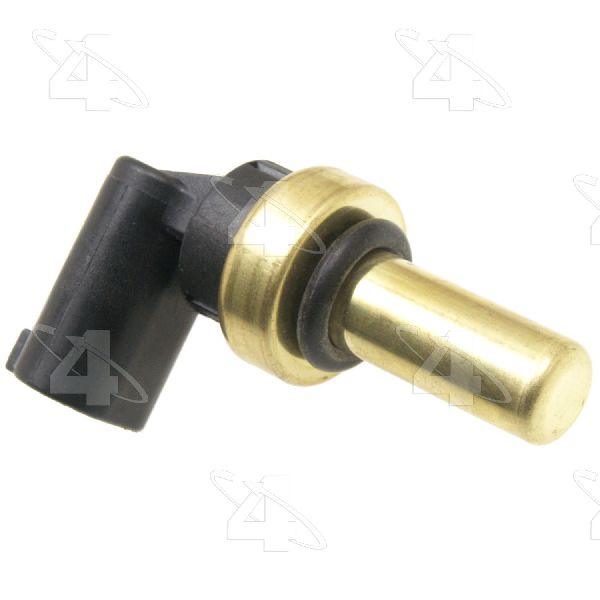
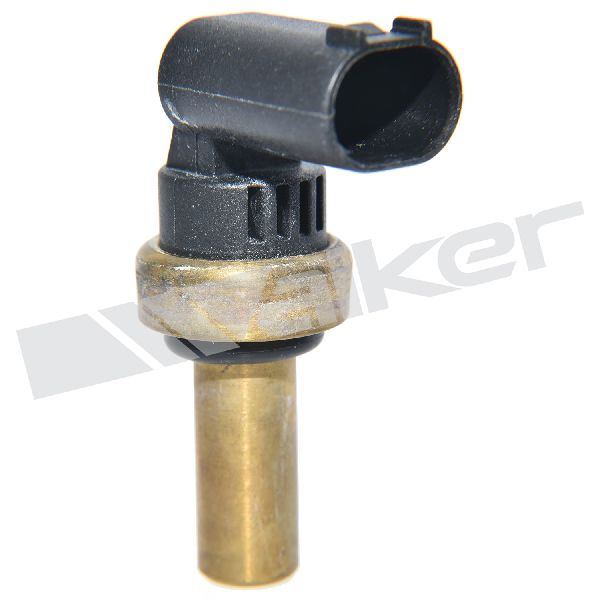
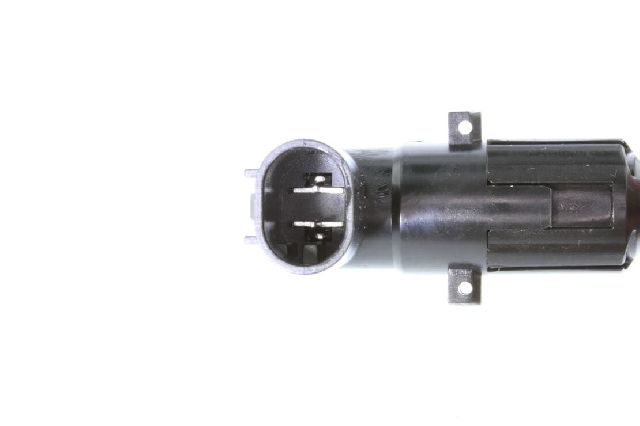
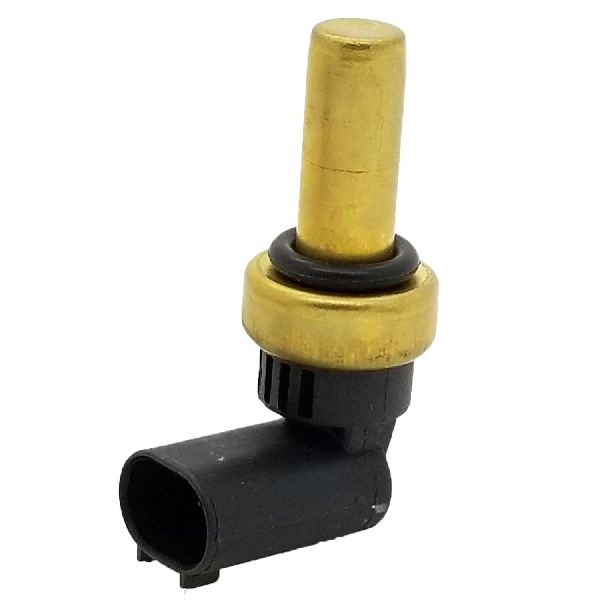
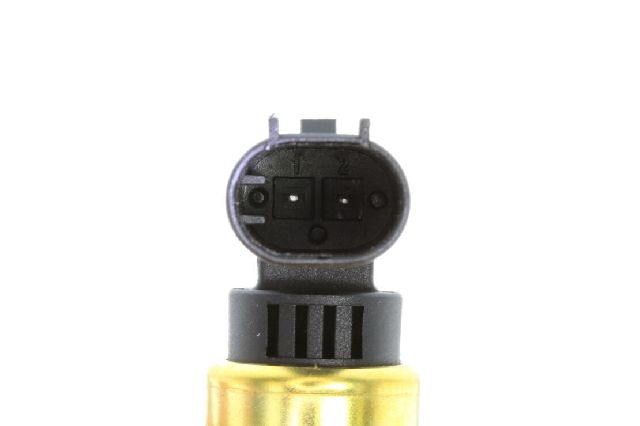
The sensor for the CLK320 is a 2-pin (blade style) sensor that is held in place by a retaining clip. It is not a screw-in type.
We Have This Part in Stock


The information in this article is provided for general reference and educational purposes only. Vehicle specifications, procedures, and part compatibility can vary by production date, trim level, and region. Always consult your vehicle's factory service manual and verify part numbers before purchasing or performing repairs. Safety-critical components such as airbags, seat belts, and braking systems should be installed by a qualified professional.
- Mercedes-Benz CLK320: