

Subaru Forester Engine Coolant Temperature Sensor Guide (1998-2005)
Understanding the single most important temperature sensor in your first or second-generation Forester.
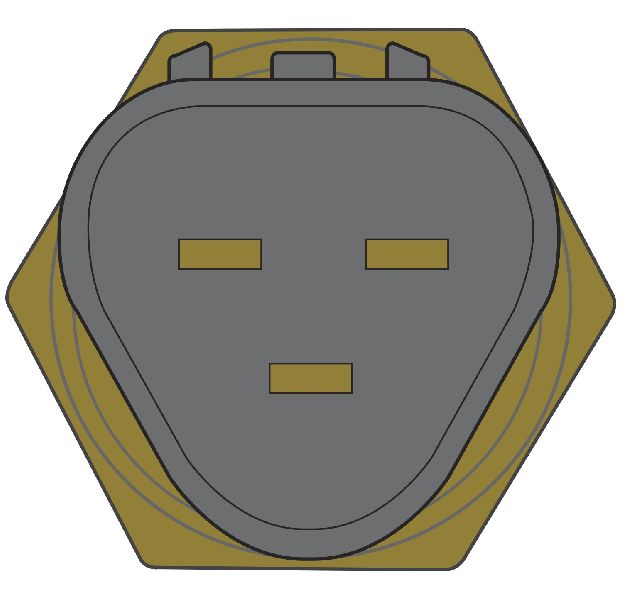
- Your 1998-2005 Forester uses a single 3-pin sensor for both the ECU and the dashboard gauge.
- Symptoms range from a Check Engine Light and bad gas mileage to serious issues like overheating and black smoke.
- OEM part number 22630AA161 fits the entire 1998-2005 model year range.
- Choosing a quality aftermarket brand like NGK, Delphi, or Beck Arnley is a reliable alternative to OEM.
Is Your Forester's Coolant Temp Sensor Failing?
A failing Engine Coolant Temperature (ECT) sensor can cause a range of confusing symptoms. Because this single sensor informs both the engine computer and your dashboard gauge, its failure can lead to poor performance, incorrect gauge readings, and a Check Engine Light. Here are the most common signs that your sensor needs attention.
Common Failure Symptoms:
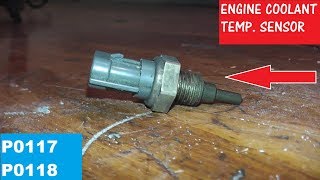
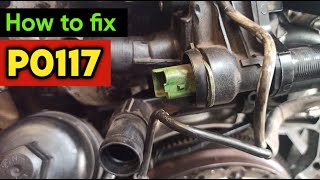
- Check Engine Light: The most common sign, often with codes P0117 or P0118. 🎬 See this quick guide on fixing the P0117 trouble code.
- Poor Fuel Economy: If the sensor incorrectly tells the ECU the engine is cold, it will inject too much fuel.
- Black Smoke from Exhaust: A sign of a very rich fuel mixture, where unburned fuel is burning in the exhaust.
- Engine Overheating: If the sensor fails to report a high temperature, the cooling fans may not turn on when needed.
- Rough Idle or Stalling: The wrong fuel mixture can make the engine run poorly, especially at idle.
- Hard Starting: Particularly when the engine is warm, an incorrect reading can make starting difficult.
- Erratic Temperature Gauge: The gauge may read cold all the time, shoot to hot suddenly, or bounce around randomly.
Choosing the Right Aftermarket Sensor
For the 1998-2005 Forester, the original equipment (OEM) sensor is a reliable benchmark. However, several quality aftermarket options are available that offer a good balance of price and performance. Since this sensor is critical for engine management, choosing a reputable brand is more important than saving a few dollars on a generic, unbranded part.
We can group the available brands into tiers based on reputation among Subaru owners and professional mechanics.
Tier 1: OEM-Equivalent Quality
These brands are known for manufacturing parts for automakers or have a very strong reputation for quality and reliability in the aftermarket. They are the safest bet outside of a genuine Subaru part.
- NGK/NTK: A top-tier Japanese brand, highly respected for sensors and electronics. Often an OEM supplier.
- Delphi: A major global OEM supplier with a strong reputation for engine management components.
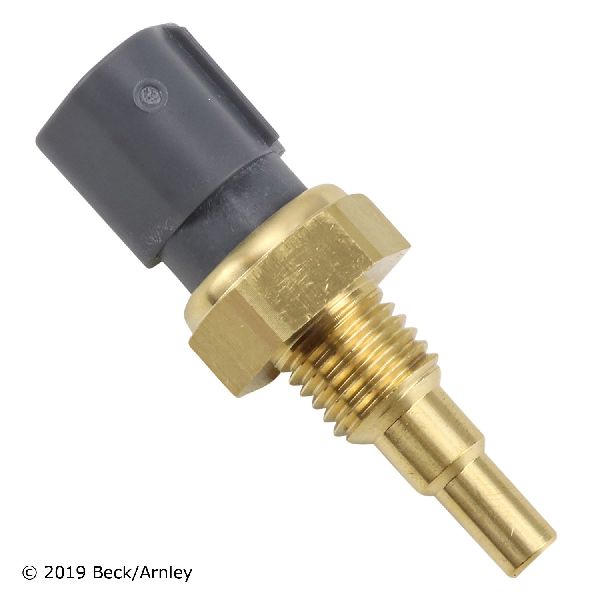
- Beck Arnley: Known for sourcing parts from OEM suppliers and repackaging them, often providing a genuine part in a different box.
Tier 2: Reputable Aftermarket Brands
These brands are well-established in the aftermarket and offer a good balance of quality and value. They are a solid choice for a daily driver.
- Standard Ignition (SMP): A long-standing aftermarket manufacturer with a reputation for producing reliable sensors.
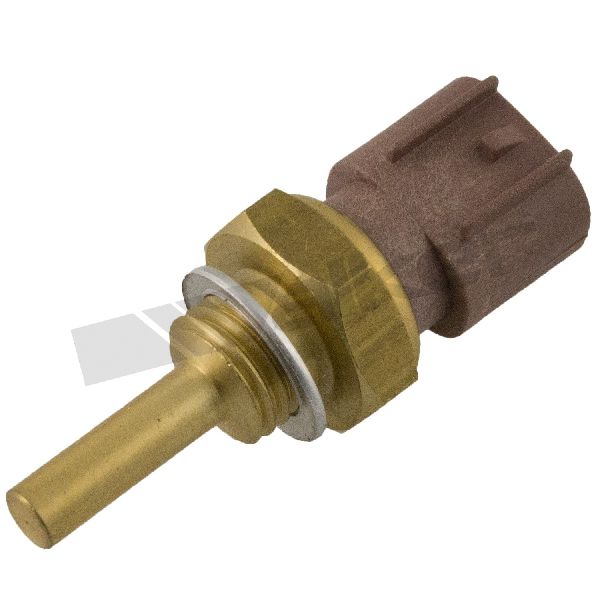
- Walker Products: A trusted name in fuel and engine management components.
- Vemo: A German brand that produces a wide range of quality electronic parts.
Tier 3: Value-Oriented Brands
These brands focus on affordability. They can be a good option for budget-conscious repairs, but may not offer the same longevity or precise calibration as higher-tier brands.
- ACDelco (Professional/Advantage lines)
- Facet
- Global Parts
- Holstein
- Motorad
| Part Type | Estimated Cost |
|---|---|
| New OEM (Subaru) | $35 - $65 |
| New Aftermarket | $12.90 - $51.34 |
| Shop Labor | $50 - $100 |
Frequently Asked Questions (FAQ)
How many coolant temperature sensors does my 1998-2005 Forester have?
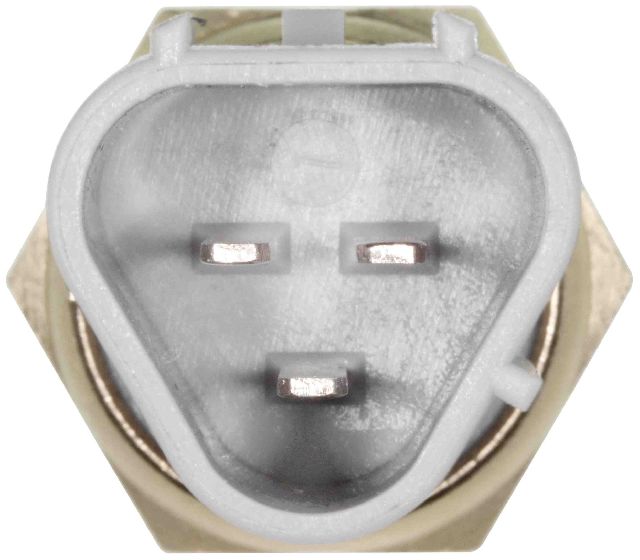
Your Forester has only one main engine coolant temperature sensor. It is a 3-pin sensor that sends information to both the engine computer (ECU) and the dashboard temperature gauge. This is different from many other vehicles of the same era which use a separate sensor for the ECU and a sender for the gauge.
Where is the ECT sensor located on a 1998-2005 Forester?
The ECT sensor is located on the top of the engine block, typically on the coolant crossover pipe near the thermostat housing. It is generally accessible without removing major components, making it a straightforward DIY replacement.
Is there a recall on this sensor?
No, there are no specific recalls or Technical Service Bulletins (TSBs) from Subaru or the NHTSA for the engine coolant temperature sensor on the 1998-2005 Forester models.
Can I replace this sensor myself? 🎬 Watch: How to test and replace your coolant temperature sensor.
Yes, this is a very DIY-friendly job. It typically requires a deep socket wrench to remove the old sensor. The key is to perform the replacement when the engine is cold to avoid burns and minimize coolant loss. It's a good idea to have the new sensor ready to swap in quickly to reduce the amount of coolant that leaks out.
Do I need to drain the coolant to replace it?
While a full drain isn't necessary, you will lose some coolant when you remove the old sensor. You can minimize the loss by having the new sensor and its O-ring ready to install immediately. After installation, be sure to top off the coolant and properly bleed any air from the system.
🎬 Learn more about diagnosing engine coolant temperature circuit low input.Helpful Videos
Technical Specifications
OEM Part Numbers: 22630AA161 22630AA100 22630AA11A 22630AA160
This is a 3-pin thermistor sensor that serves both the ECU and the instrument cluster gauge.
We Have This Part in Stock


The information in this article is provided for general reference and educational purposes only. Vehicle specifications, procedures, and part compatibility can vary by production date, trim level, and region. Always consult your vehicle's factory service manual and verify part numbers before purchasing or performing repairs. Safety-critical components such as airbags, seat belts, and braking systems should be installed by a qualified professional.
- Subaru Forester: