

Volvo C70 Intercooler Hose Guide for 1998-2005 Models
If your turbocharged C70 feels sluggish, a failing intercooler hose is a likely and common problem.
- A sudden loss of power and a hissing sound are classic signs of a failed intercooler hose on your C70.
- Physically inspect the hoses; if they feel soft or 'squidgy', they need to be replaced even if you can't see a crack.
- For aftermarket parts, Gates is a reliable choice for durability, while URO is a budget option that carries a risk of poor fit or quality.
- Replacement is a simple DIY job for most owners, requiring only basic tools to access the hose clamps.
Why Intercooler Hoses Fail on the C70
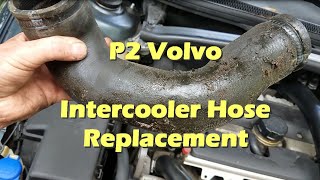
The intercooler hoses on the first-generation Volvo C70 live in a harsh environment. Over many years and heat cycles, the original rubber material breaks down. A major factor is exposure to oil vapor from the engine's crankcase ventilation (PCV) system, which is a normal byproduct of engine operation. This oil vapor coats the inside of the hoses, causing the rubber to soften, swell, and weaken. Eventually, the hose can no longer contain the pressure from the turbo, leading to splits, cracks, or even a total collapse under vacuum.
Symptoms of a Bad Intercooler Hose
When a hose fails, it creates a "boost leak." The pressurized air escapes before it can get to the engine. The symptoms are usually easy to notice:
- Significant Loss of Power: This is the most common sign. Your car will feel very sluggish and slow to accelerate because the engine isn't getting the boosted air it needs.
- Hissing or Whistling Sounds: You may hear a distinct hissing noise from the engine bay when you accelerate. This is the sound of high-pressure air escaping from a split in the hose.
- Black Smoke from Exhaust: When less air reaches the engine, the air-fuel mixture becomes too rich with fuel. This unburned fuel is pushed out the exhaust as black smoke, especially under hard acceleration.
- Check Engine Light: A large enough leak will trigger a Check Engine Light. A common trouble code is P0299 (Turbocharger/Supercharger Underboost Condition), indicating the system is not holding pressure. 🎬 Watch a technician diagnose a P0299 underboost code.
- Poor Fuel Economy: The engine's computer tries to compensate for the leak, often resulting in burning more fuel than normal.
Check Your Hoses
A quick way to check for a bad hose is to simply squeeze it (when the engine is off and cool). A healthy hose should be firm. If it feels soft, mushy, or "squidgy," it has likely been damaged by oil and is about to fail or has already failed. You may also see oily residue around the outside of the hose where it has split.
Choosing the Right Aftermarket Intercooler Hose
For the 1998-2005 C70, you don't need to buy an expensive OEM hose from a dealer. Aftermarket options provide good value, but quality varies between brands. They can be grouped into tiers:
Tier 1: Premium Aftermarket (Best Choice)
Gates: Gates is a well-respected brand known for making high-quality rubber products like belts and hoses. Choosing a Gates hose gives you confidence in fitment and durability that is often comparable to the original part. For a critical part that sees constant pressure and heat, this is a reliable choice for long-term peace of mind.
Tier 2: Standard Aftermarket (Good Choice)
Vaico: Vaico is a German aftermarket brand that offers a more budget-friendly alternative. While not as widely discussed as Gates in Volvo forums, it's generally considered a standard replacement part. It should fit and function correctly, though its long-term durability might not match that of a premium brand like Gates.
Tier 3: Economy Aftermarket (Acceptable with Caution)
URO Parts: URO Parts are typically the most affordable option. However, in Volvo and other European car communities, they have a reputation for inconsistent quality and fitment issues. While some simple URO parts may be fine, their rubber products are often criticized for failing prematurely. A URO hose might get your car back on the road, but be prepared for the possibility of a shorter lifespan or fitment challenges during installation.
Pro Tip: Consider a Silicone Upgrade
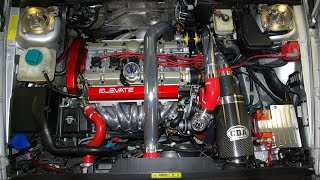
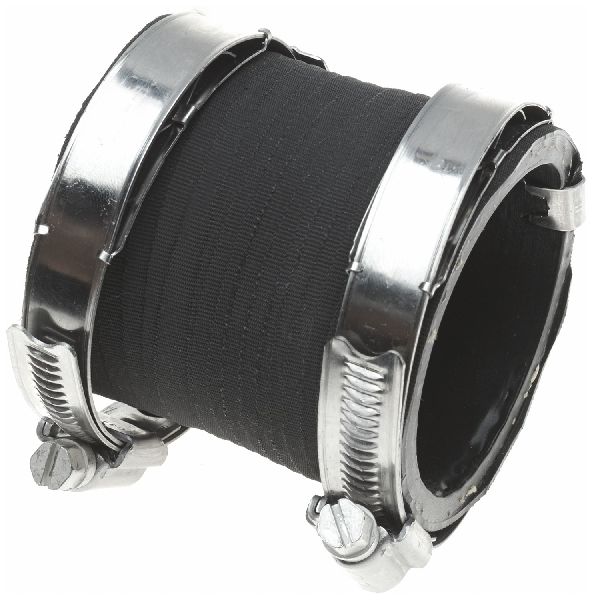
Many Volvo enthusiasts choose to upgrade from standard rubber to multi-ply silicone hoses. Silicone is much more resistant to heat, pressure, and oil degradation. While more expensive initially, a silicone hose kit can be a permanent solution to this common problem.
🎬 See how to install upgraded silicone hoses on a Volvo.Cost Comparison for Intercooler Hose Replacement
| Part Type | Estimated Cost |
|---|---|
| New Aftermarket | $23.33 - $71.56 |
| New OEM | $120 - $180 |
| Shop Labor | $100 - $200 |
Frequently Asked Questions (FAQ)
Can I drive my C70 with a bad intercooler hose?
You can, but it's not recommended for an extended period. Your engine's performance and fuel economy will be very poor. Continuing to drive with a significant leak can put extra strain on the turbocharger as it works harder to build pressure, which could lead to more expensive damage over time.
Is replacing an intercooler hose a DIY job?
Yes, for most owners this is a straightforward DIY repair. Access usually only requires basic hand tools like a screwdriver or a small socket set to loosen the hose clamps at each end of the hose. The job typically takes between 30 minutes to an hour and a half.
🎬 Watch this step-by-step guide to replacing your C70 intercooler hose.How do I find the leak?
Often, a large split or crack is visible on the hose, especially at the bends. You can also feel for soft, oil-soaked spots. For smaller, hard-to-see leaks, you can spray soapy water on the hoses and connections while the engine is running. Bubbles will form where the air is escaping.
Are there any recalls for the intercooler hose?
No, there are no recalls or specific Technical Service Bulletins (TSBs) from Volvo or the NHTSA for intercooler hose failures on the 1998-2005 C70. This is considered a normal wear-and-tear maintenance item.
Helpful Videos
Technical Specifications
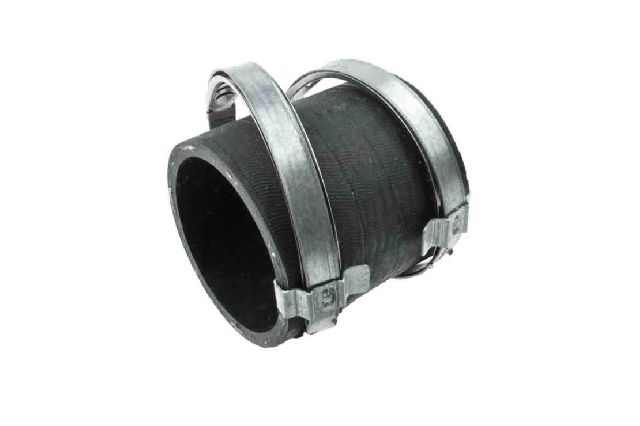
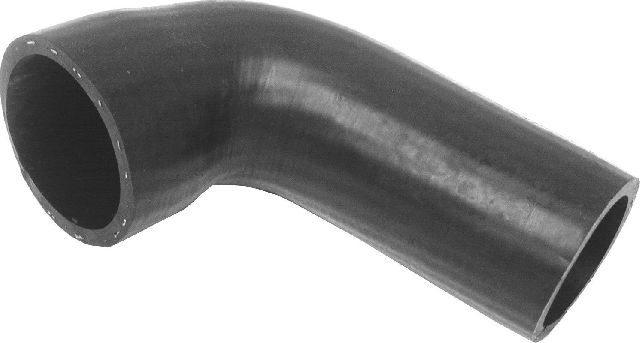
OEM Part Numbers: 31261370
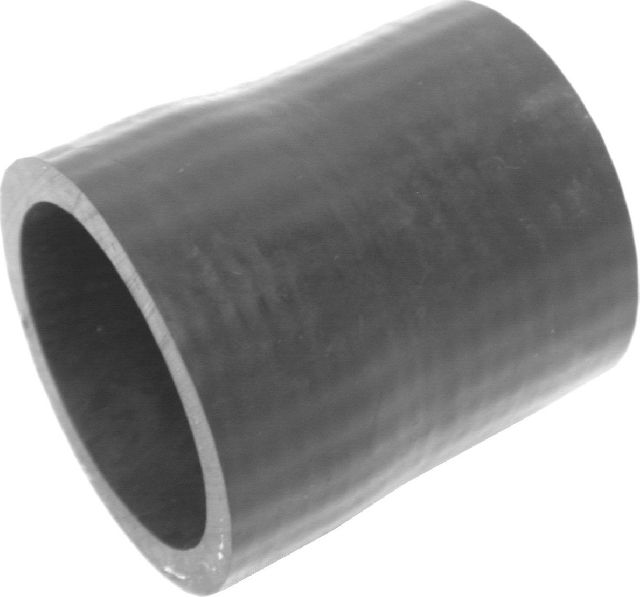
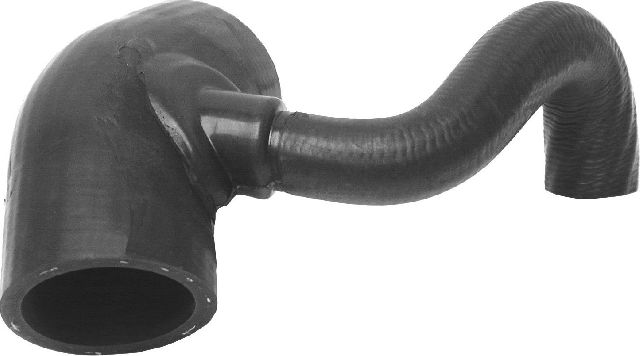
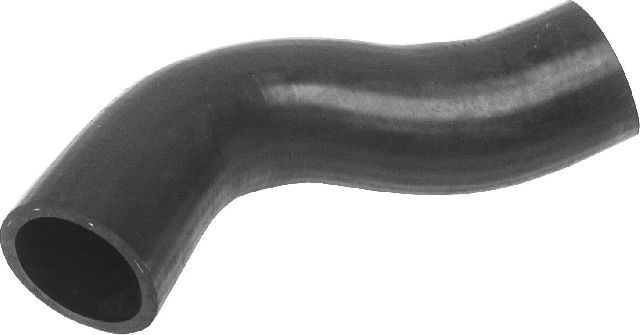
The intercooler hoses on a 1998-2005 Volvo C70 are typically made of reinforced rubber designed to handle boost pressure. Over time, they are prone to softening and splitting due to exposure to heat and oil vapor. Upgraded versions are available in multi-ply silicone for improved durability.
We Have This Part in Stock

The information in this article is provided for general reference and educational purposes only. Vehicle specifications, procedures, and part compatibility can vary by production date, trim level, and region. Always consult your vehicle's factory service manual and verify part numbers before purchasing or performing repairs. Safety-critical components such as airbags, seat belts, and braking systems should be installed by a qualified professional.
- Volvo C70:
- 🎬 Helpful Videos
- 🛍️ Shop This Part
- Why Intercooler Hoses Fail on the C70
- Symptoms of a Bad Intercooler Hose
- Check Your Hoses
- Choosing the Right Aftermarket Intercooler Hose
- Tier 1: Premium Aftermarket (Best Choice)
- Tier 2: Standard Aftermarket (Good Choice)
- Tier 3: Economy Aftermarket (Acceptable with Caution)
- Pro Tip: Consider a Silicone Upgrade
- Cost Comparison for Intercooler Hose Replacement
- Frequently Asked Questions (FAQ)
- 🎟️ Get 5% Off