

Chevrolet Impala Engine Coolant Bypass Hose Guide (2000-2006)
Leaking coolant on your 2000-2006 Impala? It might be the engine coolant bypass hose.
- The coolant bypass hose is a common source of leaks on 2000-2006 Impalas.
- Symptoms include visible leaks, a sweet smell, low coolant levels, and potential engine overheating.
- For 3.8L V6 engines, it is highly recommended to replace the failure-prone plastic coolant elbows with aluminum ones at the same time.
- Quality aftermarket brands like ACDelco, Gates, Dayco, and Continental offer reliable, cost-effective replacements.
Is Your Impala Leaking Antifreeze?
A puddle of green, orange, or pink fluid under your 2000-2006 Chevrolet Impala is a sure sign of a coolant leak. While several parts can cause this, a common culprit is a failing engine coolant bypass hose. These hoses are made of rubber and can crack, swell, or become brittle over time due to constant exposure to heat and pressure. A small leak can quickly lead to bigger problems, including engine overheating, which can cause serious and expensive damage.
Symptoms of a Failing Coolant Bypass Hose
Keep an eye out for these warning signs. Catching a bad hose early can save you from being stranded.
- Visible Coolant Leaks: You might see puddles under the car or notice colorful stains on the engine itself.
- Low Coolant Level: The coolant reservoir may be consistently low, requiring you to top it off frequently.
- Sweet Smell: Leaking coolant can produce a distinct sweet odor from the engine bay as it burns off on hot surfaces.
- Engine Overheating: If the leak is severe, your engine's temperature gauge may climb into the red, or you might see steam coming from under the hood.
- Spongy or Hard Hoses: When the engine is cool, feel the hoses. If they feel mushy, swollen, or rock-hard, they are due for replacement.
A Note on 3.8L V6 Engines
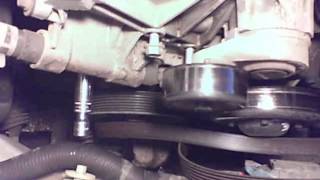
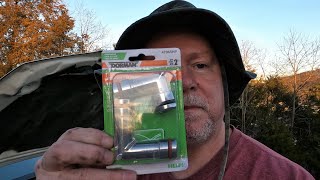
Many Impalas with the 3.8L V6 engine have plastic coolant elbow pipes that connect to the bypass hose. These elbows are a known failure point, becoming brittle 🎬 Watch how these plastic coolant elbows fail and leak. and cracking over time. It is highly recommended to replace these plastic elbows with new aluminum versions whenever you are replacing the bypass hose.
Choosing the Right Aftermarket Bypass Hose
For a part like a coolant hose, you don't necessarily need to go to the dealer. Quality aftermarket brands offer reliable parts that meet or exceed original equipment (OE) specifications. All the brands listed below are made from durable EPDM rubber, which is designed to resist heat, ozone, and chemical degradation.
| Brand | Quality & Reputation | Price Range |
|---|---|---|
| ACDelco | As the original equipment manufacturer for GM, ACDelco parts are a trusted, reliable choice for fit and function. Many consider them the benchmark. | $16 - $20 |
| Gates | Gates is a highly respected brand in the aftermarket, known for producing OE-quality hoses and belts. Many professional mechanics trust and use Gates products. | $10 - $15 |
| Dayco | Dayco is another solid aftermarket choice, often praised for good fitment and durability. They produce a wide range of automotive hoses that meet OE standards. | $10 - $15 |
| Continental | Continental (formerly ContiTech) is a major OE supplier and a top-tier aftermarket brand. Their hoses are known for quality and reliability. | $9 - $14 |
Pro Tip: Replace Your Clamps!
Always replace the hose clamps when you install a new hose. Old clamps can lose their tension and may not provide a proper seal, leading to new leaks. Spring-style clamps are often preferred over worm-gear clamps for their ability to maintain constant tension as the hose material expands and contracts with temperature changes.
Frequently Asked Questions (FAQ)
Is this a difficult part to replace myself?
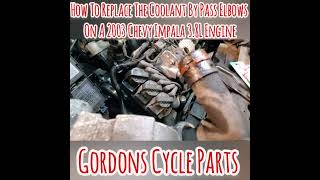
For a moderately experienced DIYer, replacing the coolant bypass hose is usually manageable. It typically requires draining some coolant, removing the old hose and clamps, and installing the new parts. Access can sometimes be tight, especially on the 3.8L V6 engine where you may need to move the alternator bracket. 🎬 Follow this step-by-step guide to replace your bypass elbows. The difficulty is around a 2 out of 5.
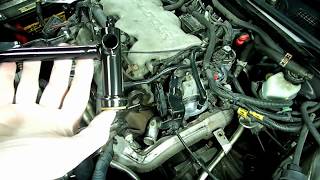
🎬 See how to replace the thermal bypass pipe on 3100-3400 engines.Are there any recalls for this part?
There are no specific recalls for the coolant bypass hose on the 2000-2006 Chevrolet Impala. However, there was a recall for some models related to engine oil dripping on the hot exhaust manifold, which underscores the importance of addressing any fluid leaks promptly.
What's the difference between a bypass hose and a heater hose?
A bypass hose circulates coolant within the engine to help it warm up. A heater hose carries hot coolant from the engine to the heater core in the dashboard, which provides heat for the car's interior. While they both carry coolant, they serve different functions in the system.
Do I need to bleed the cooling system after replacing the hose?
Yes. Any time the cooling system is opened, air can get trapped inside. This air must be "bled" out to ensure coolant can circulate properly and prevent overheating. Many Impala models have a small bleeder valve on the thermostat housing or bypass pipe to make this process easier.
Helpful Videos
Technical Specifications
OEM Part Numbers: 10182356 12600100
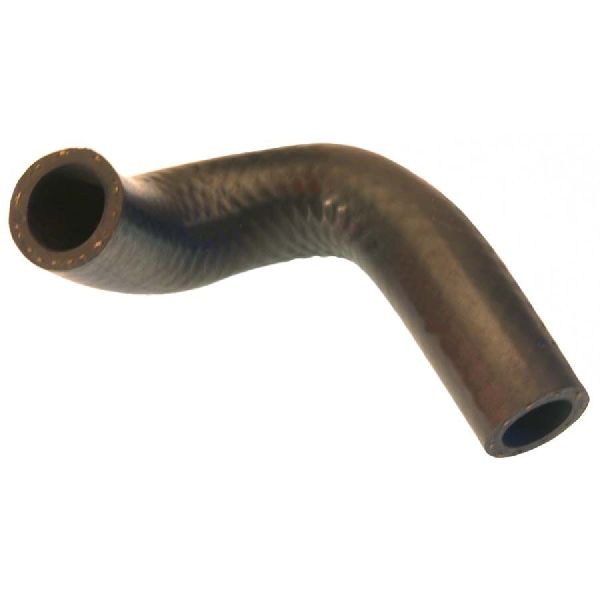
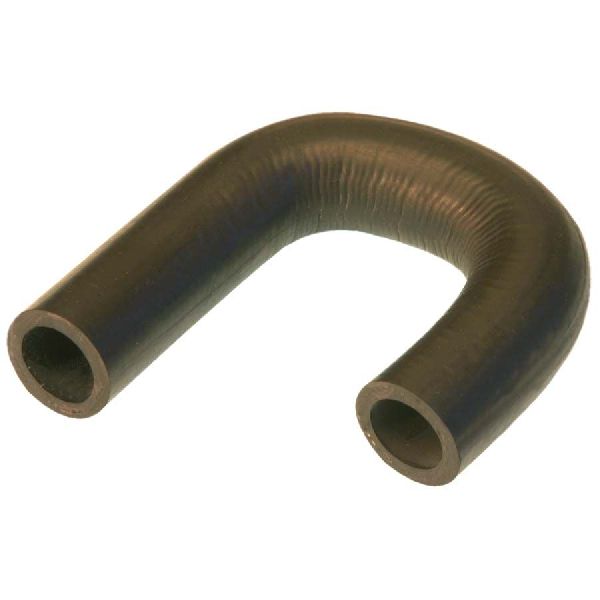
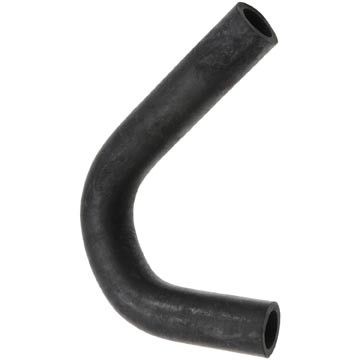
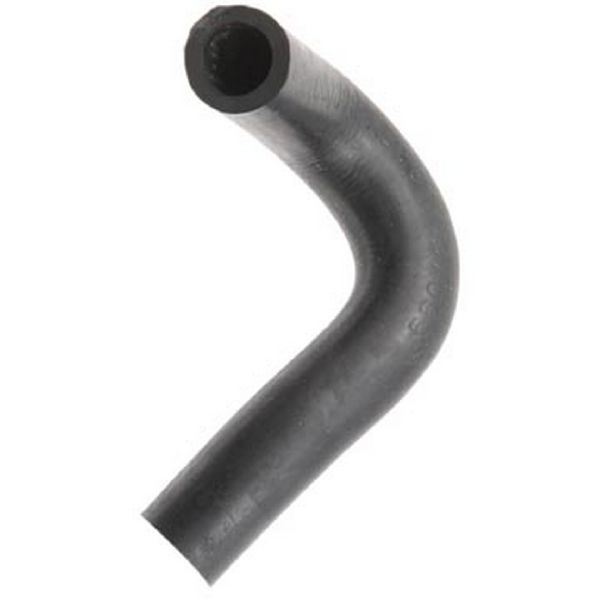
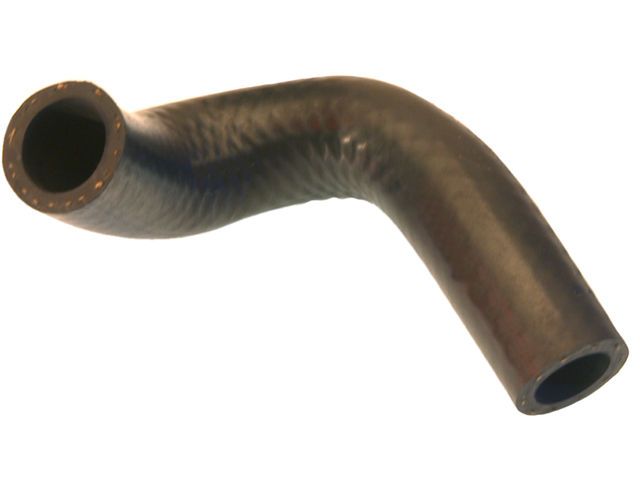
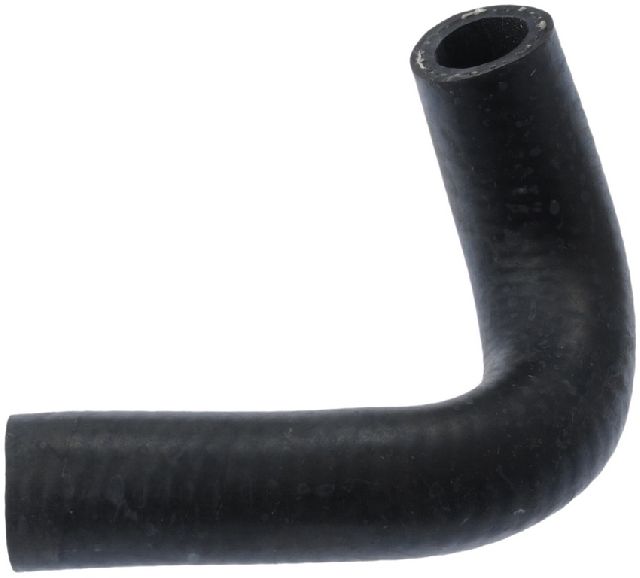
The hose material is typically EPDM rubber, designed to withstand high temperatures and resist electrochemical degradation. Hoses are molded to fit specific engine configurations (e.g., 3.4L V6 or 3.8L V6).
We Have This Part in Stock

The information in this article is provided for general reference and educational purposes only. Vehicle specifications, procedures, and part compatibility can vary by production date, trim level, and region. Always consult your vehicle's factory service manual and verify part numbers before purchasing or performing repairs. Safety-critical components such as airbags, seat belts, and braking systems should be installed by a qualified professional.
- Chevrolet Impala: