

Chevrolet Impala Engine Coolant Thermostat: A 1998-2006 Owner's Guide
Solving overheating, no-heat, and check engine light problems in your 2000-2006 Impala.
- A thermostat stuck open is the most common failure, causing a P0128 code and no cabin heat.
- For a reliable repair, ACDelco is the most recommended brand for the Impala.
- The replacement is a straightforward DIY job for most owners, but properly bleeding air from the system afterward is crucial.
- Be aware of a major safety recall for 2000-2004 3.8L models regarding oil leaks and fire risk.
A Note on Vehicle Years
This guide covers the 1998-2006 Chevrolet Impala. It's important to know that the eighth-generation Impala was produced for model years 2000-2005, primarily with 3.4L and 3.8L V6 engines. The 2006 model year marked the beginning of the ninth generation, which used different engines like the 3.5L and 3.9L V6. While the thermostat's function is the same, the part itself and its location are different. This guide will address both generations.
Is Your Impala's Thermostat Failing?
A bad thermostat can fail in two ways: stuck closed or stuck open. Each has distinct symptoms.
- Engine Overheating: If the thermostat is stuck closed, it traps coolant in the engine, preventing it from reaching the radiator. This is the most serious failure, as your Impala's temperature gauge will quickly climb into the red.
- Engine Running Too Cool & No Cabin Heat: This is a very common failure for these cars. A thermostat stuck open allows coolant to circulate constantly. The engine never reaches its proper operating temperature, the heater blows lukewarm or cold air, and fuel economy suffers.
- Check Engine Light (Code P0128): This is a frequent code on Impalas when the thermostat is stuck open. The engine's computer expects the coolant to reach a certain temperature within a set time. When it doesn't, it triggers the P0128 code and turns on the light. 🎬 Watch this walkthrough on fixing a P0128 code.
- "Engine Hot A/C Off" Message: Many GM vehicles, including the Impala, will display this message on the driver information center when a cooling system fault is detected. This is often one of the first signs of a thermostat issue. 🎬 See how to replace the thermostat for this specific error.
- Erratic Temperature Gauge: You might see the temperature gauge swing from cool to hot and back again as the thermostat struggles to open and close correctly.
Choosing the Right Aftermarket Thermostat
When shopping for a new thermostat, you have several options. For a daily-driven Impala, sticking close to the original equipment (OE) specification is usually the best choice.
Brand Quality Tiers
| Tier | Brands | Assessment |
|---|---|---|
| OEM / Premium Aftermarket | ACDelco | As the original GM parts supplier, ACDelco is the most recommended brand for a direct, reliable replacement. Owners report that ACDelco thermostats consistently maintain the correct factory-specified temperature. |
| Quality Aftermarket | Gates, Calorstat | Gates is a well-known aftermarket manufacturer. Their thermostats are a solid alternative to OEM, though some users have noted they may run slightly cooler than ACDelco. Calorstat is another established brand offering reliable parts. |
| Economy / Mixed Reviews | Motorad | Motorad is a massive producer that makes thermostats for many store brands. While some of their products work fine, owner reviews are inconsistent, with some reporting early failures. Their "Fail-Safe" thermostats are designed to lock in the open position if they fail, which prevents overheating but leaves you with a cold-running engine. |
| Performance / Specialty | Mishimoto | Mishimoto thermostats are designed to open at a lower temperature, which is intended for modified, high-performance engines. For a stock Impala, using a lower-temp thermostat is unnecessary and can negatively impact performance and fuel economy by preventing the engine from reaching its ideal operating temperature. |
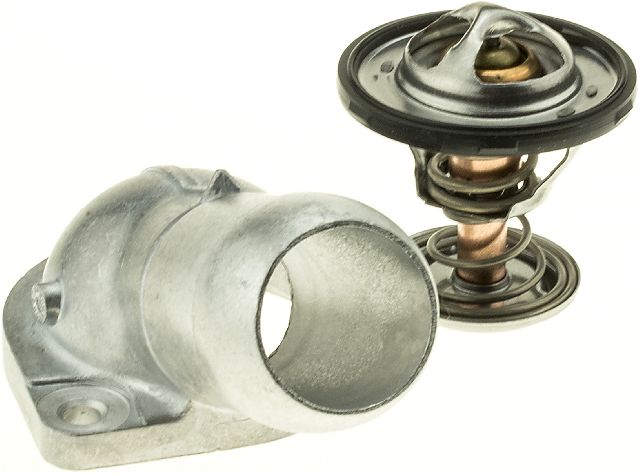
Pro Tip: Always replace the thermostat gasket or seal when you replace the thermostat. Most new thermostats come with one, but confirm before you start the job. A reused gasket is a common source of leaks.
Known Issues for 1998-2006 Impalas
While there are no direct recalls for the thermostat itself, owners should be aware of these related issues:
- Safety Recall (2000-2004 w/ 3.8L V6): A serious recall was issued for engine oil leaking from the valve cover gasket onto the hot exhaust manifold, creating a fire risk. This is GM recall #15757. While unrelated to the thermostat, it's a critical safety check for any owner of a 3.8L model.
- TSB (2006 w/ 3.5L/3.9L V6): General Motors issued Technical Service Bulletin 07-06-02-006E for coolant leaks originating from the coolant crossover pipe gaskets. If you have a 2006 model and are losing coolant, this is a known potential cause.
Cost of Replacing an Impala Thermostat
Replacing a thermostat is one of the more affordable repairs you can make to your cooling system.
Estimated Costs
| New Aftermarket Part | $12.21 - $96.38 |
| Shop Labor | $100 - $200 |
| Total (DIY) | $12.21 - $96.38 |
| Total (Shop) | $112 - $296 |
Frequently Asked Questions
Can I replace the thermostat myself on my Impala?
Yes, this is a very DIY-friendly job for most home mechanics. On 2000-2005 models with the 3.8L engine, the thermostat is conveniently located on top of the engine. On 2006 models with the 3.5L/3.9L engines, it is lower down but still accessible. The main steps involve partially draining the coolant, removing two bolts on the housing, swapping the part, and then refilling and bleeding the air out of the system.
What does the P0128 code mean?
P0128 stands for "Coolant Temperature Below Thermostat Regulating Temperature." It means your Impala's engine isn't warming up as quickly as the computer expects. The most common cause by far is a thermostat that is stuck open.
Should I use a lower temperature 'performance' thermostat?
For a stock, daily-driven Impala, no. The engine is designed to run at a specific temperature (usually 195°F) for optimal efficiency and emissions. A cooler thermostat can hurt fuel economy and performance. These are best left for heavily modified or racing engines.
Why is my heater blowing cold after replacing the thermostat?
This is almost always caused by air trapped in the cooling system, specifically in the heater core. The cooling system must be properly "burped" or bled after the repair to remove all air pockets. You can do this by running the engine with the radiator cap off and the heater on high until all bubbles stop appearing.
🎬 Watch a mechanic demonstrate how to bleed the cooling system.Helpful Videos


Technical Specifications
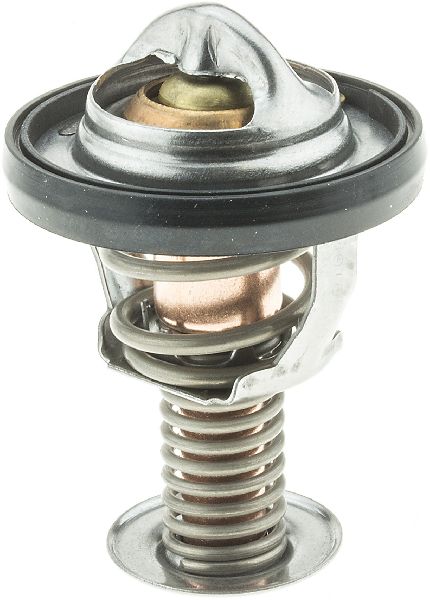
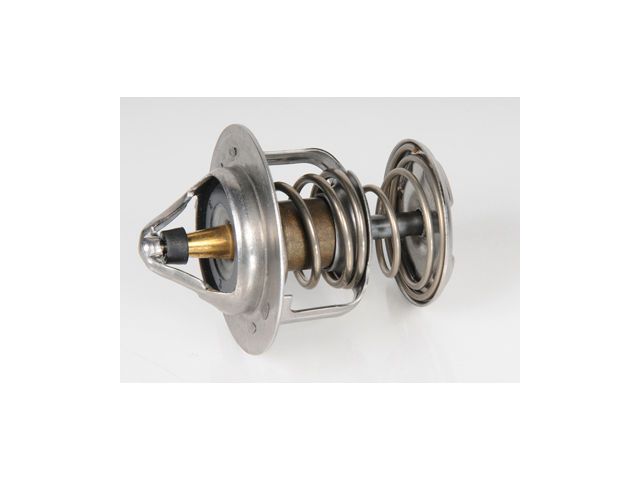
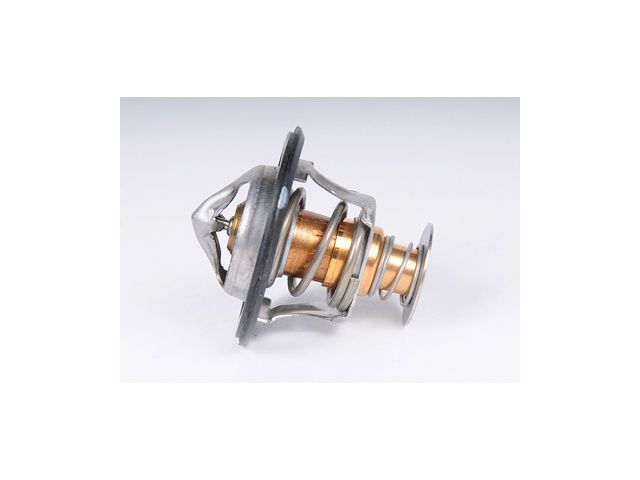
OEM Part Numbers: 12622316 12587394 12600172
Standard temperature is typically 195°F or 187°F depending on engine and year. Always verify the correct temperature rating for your specific vehicle.
We Have This Part in Stock


The information in this article is provided for general reference and educational purposes only. Vehicle specifications, procedures, and part compatibility can vary by production date, trim level, and region. Always consult your vehicle's factory service manual and verify part numbers before purchasing or performing repairs. Safety-critical components such as airbags, seat belts, and braking systems should be installed by a qualified professional.
- Chevrolet Impala: