

Honda Civic Oxygen Sensor Guide: 1998-2006 Models
Everything you need to know about replacing the oxygen sensors on your 1998-2006 Honda Civic.
- Always verify the part fits your specific year, trim (DX/LX/EX), and engine, as parts change between generations (1998-00, 2001-05, 2006).
- For best results and reliability, choose an OEM-quality brand like Denso or NGK/NTK.
- A P0420 code can be caused by a bad sensor, but it can also mean the catalytic converter is failing; proper diagnosis is key.
- You will need a special oxygen sensor socket to properly remove and install the sensor without damaging the wires.
A Critical Note on Model Years
This guide covers the 1998-2006 Honda Civic, but it's important to know this range spans three different vehicle generations. The 1998-2000 models are the 6th generation, 2001-2005 models 🎬 Watch: Step-by-step upstream sensor replacement for 6th gen Civics are the 7th generation, and the 2006 model is the first year of the 8th generation. Oxygen sensors are often NOT interchangeable between these generations. Always verify the part fits your exact year, model (DX, LX, EX, etc.), and engine before ordering.
Symptoms of a Failing Oxygen Sensor


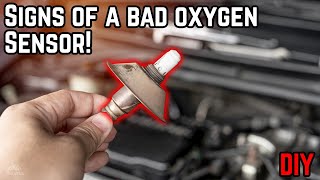
A bad oxygen sensor can cause several noticeable problems. The most common sign is the check engine light turning on. You might also experience poor fuel economy, a rough or unstable idle, hesitation or bogging during acceleration, and a rotten egg smell from the exhaust. 🎬 See this guide on diagnosing common bad sensor symptoms In some cases, a failing sensor can even lead to premature failure of the expensive catalytic converter.
Understanding Upstream vs. Downstream Sensors

Your Civic has at least two oxygen sensors:
- Upstream (Sensor 1): Located on the exhaust manifold or just before the catalytic converter. This sensor is crucial for engine performance and fuel mixture. Some later models, particularly Ultra-Low Emission Vehicles (ULEV), use a more complex and expensive Air/Fuel Ratio (A/F) sensor in this position.
- Downstream (Sensor 2): Located after the catalytic converter. Its main job is to monitor the converter's health. A failure here will trigger a check engine light but usually won't affect how the car drives.
Choosing the Right Aftermarket Oxygen Sensor

When it comes to sensors for a Honda, brand choice matters. While many brands are available, owner experiences show that sticking close to the original equipment manufacturer (OEM) provides the best results. The original sensors for these Civics were typically made by Denso or NGK (also known as NTK).
Pro Tip: For the best reliability and to avoid compatibility issues, choose an aftermarket sensor from Denso or NGK/NTK. These are the original suppliers to Honda and offer direct-fit replacements that work correctly out of the box.
Brand Quality Tiers for Honda Civic
- Tier 1 (OEM-Quality): Denso, NGK/NTK
These brands are widely recommended by Honda specialists and owners. They are engineered to the exact specifications of your vehicle, ensuring proper communication with the engine computer and avoiding false check engine lights. While they may cost more than budget options, their reliability is worth the investment. - Tier 2 (Reputable Aftermarket): Bosch, Delphi
Bosch and Delphi are major parts manufacturers that produce quality sensors. However, some Honda owners report mixed results, with occasional compatibility issues or shorter lifespans compared to Denso or NGK. They can be a good option if an OEM-brand part isn't available, but ensure it's a direct-fit model, not a universal one requiring wire splicing. - Tier 3 (Economy): Walker Products, Spectra, DriveWire
These brands offer a more budget-friendly price point. They can be a viable choice if you're on a tight budget or planning to sell the vehicle soon. However, be aware that the risk of premature failure or incorrect readings may be higher.
Known Issues, Recalls, and TSBs
No major recalls exist for oxygen sensors on these models. However, Honda has issued Technical Service Bulletins (TSBs) related to certain trouble codes.
- TSB 03-076: For some models, a P0131 code (Primary Heated Oxygen Sensor Circuit Low Voltage) might appear, which could be related to a faulty sensor or other engine performance issues.
- TSB 05-027: Addresses the common P0420 code (Catalyst System Efficiency Below Threshold), which can be caused by a failing catalytic converter, but also by a faulty downstream oxygen sensor or an exhaust leak. It is critical to diagnose a P0420 code correctly 🎬 Watch: How to tell if it's the sensor or the converter before replacing the expensive catalytic converter.
Cost of Replacing a Honda Civic Oxygen Sensor
| Category | Estimated Cost |
|---|---|
| New Aftermarket Part | $24 - $420 |
| Shop Labor | $90 - $225 |
| Total Estimated Cost | $114 - $645 |
Frequently Asked Questions (FAQ)
What's the difference between an upstream and a downstream sensor?
The upstream sensor (Sensor 1) is located before the catalytic converter and helps control the engine's air-fuel ratio. The downstream sensor (Sensor 2) is after the converter and checks if the converter is working correctly.
My car has a P0420 code. Should I replace the oxygen sensor?
A P0420 code means the catalytic converter isn't working efficiently. This can be caused by a bad converter, a faulty downstream O2 sensor, or an exhaust leak. It's wise to have a mechanic diagnose the issue properly. Sometimes, replacing the downstream sensor is a cost-effective first step, but it's not a guaranteed fix.
Do I need a special tool to replace an oxygen sensor?
Yes, an oxygen sensor socket is highly recommended. It's a special socket with a slot cut out for the sensor's wire. Using a standard wrench can be difficult and may strip the old sensor, especially if it's rusted in place. Penetrating oil and allowing the exhaust to cool completely are also crucial for safe removal.
Should I buy a cheaper "universal" sensor?
It's generally not recommended for Honda Civics. Universal sensors require you to cut and splice wires, which can create a point of failure. A direct-fit sensor from a reputable brand like Denso or NGK/NTK costs more but prevents installation headaches and compatibility problems.
Why is there a huge price difference between sensors?
The price varies based on brand, quality, and sensor type. Upstream sensors, especially the more complex Air/Fuel ratio sensors found on some newer models in this range, are significantly more expensive than the standard downstream sensors. OEM brands like Denso and NGK also command a higher price than economy brands.
Helpful Videos
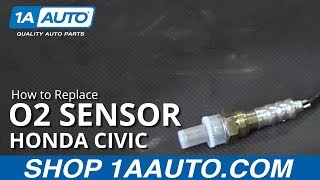
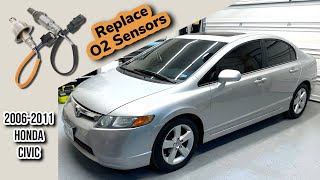
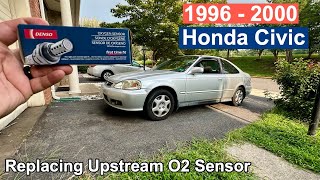
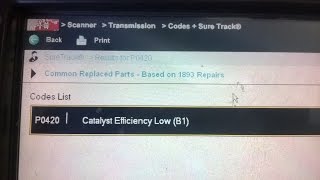
Technical Specifications
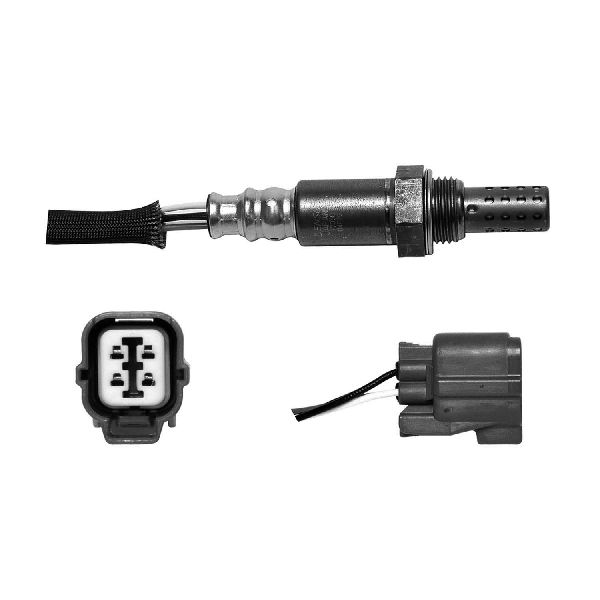
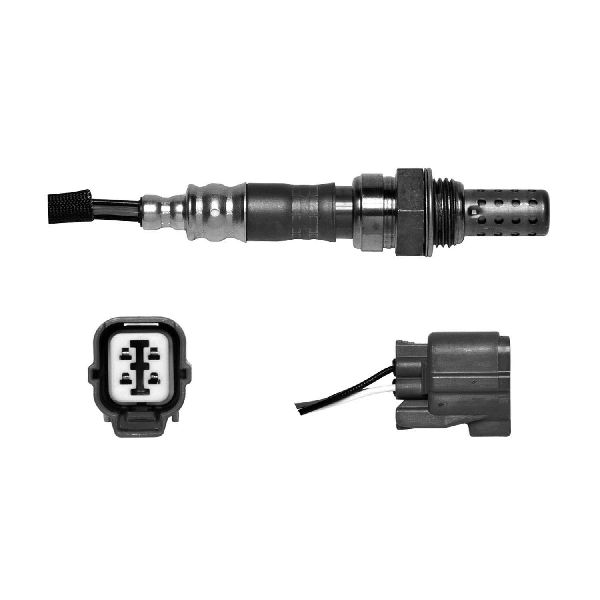
OEM Part Numbers: 36531-P2E-A01 36532-P2E-A01 36531-P2R-A01 36532-P2R-A01 36532-RNA-A01
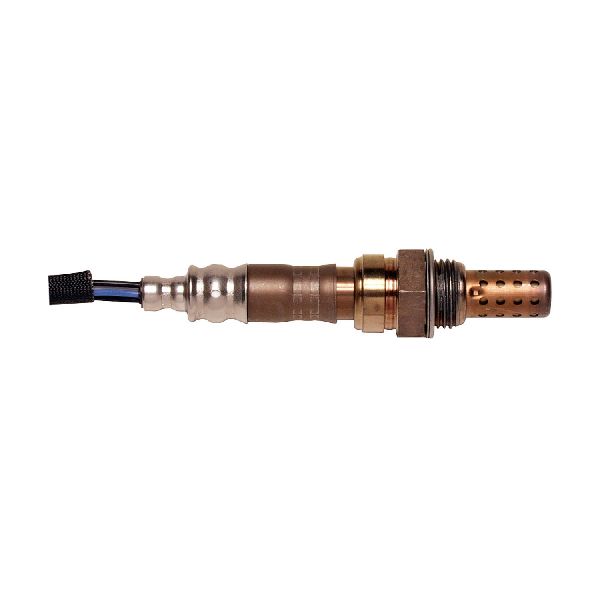
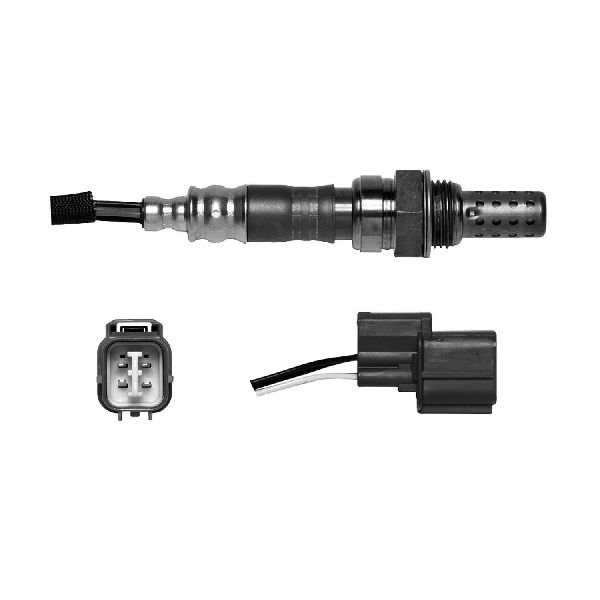
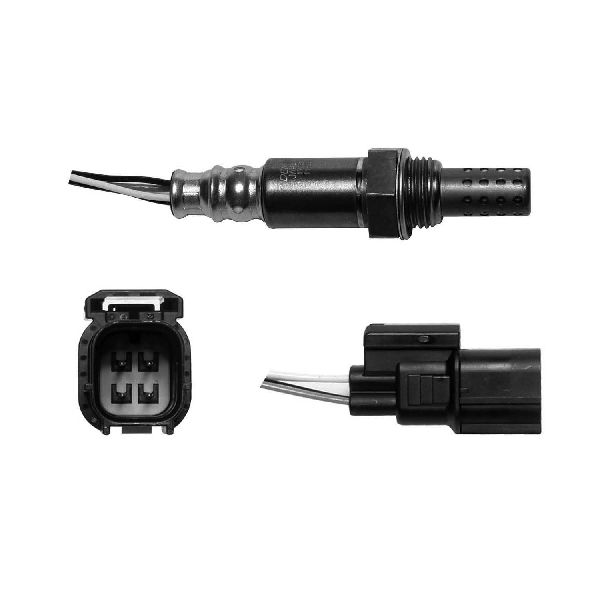
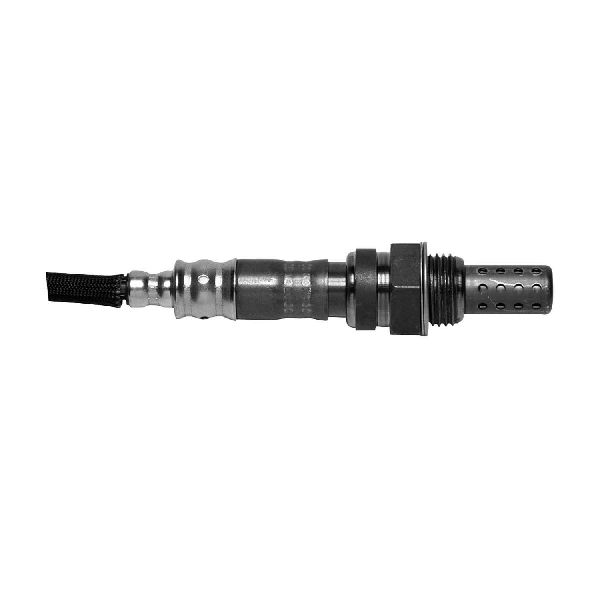
Sensors for this generation range are typically heated, 4-wire, narrow-band sensors with an M18x1.5 thread size. However, some upstream sensors may be wide-band Air/Fuel ratio sensors. Connectors vary by year and location.
We Have This Part in Stock

The information in this article is provided for general reference and educational purposes only. Vehicle specifications, procedures, and part compatibility can vary by production date, trim level, and region. Always consult your vehicle's factory service manual and verify part numbers before purchasing or performing repairs. Safety-critical components such as airbags, seat belts, and braking systems should be installed by a qualified professional.
- Honda Civic:
- 🎬 Helpful Videos
- 🛍️ Shop This Part
- A Critical Note on Model Years
- Symptoms of a Failing Oxygen Sensor
- Understanding Upstream vs. Downstream Sensors
- Choosing the Right Aftermarket Oxygen Sensor
- Brand Quality Tiers for Honda Civic
- Known Issues, Recalls, and TSBs
- Cost of Replacing a Honda Civic Oxygen Sensor
- Frequently Asked Questions (FAQ)
- 🎟️ Get 5% Off