

Guide to the 1998-2006 Lincoln Navigator Ignition Switch
If your Navigator is stalling or won't start, the ignition switch could be the culprit; here's how to diagnose and fix it.
- A failing ignition switch can cause your Navigator to stall while driving, which is a major safety hazard.
- Common symptoms include the engine not starting, starting and then dying, and flickering or dead electrical accessories.
- This is a different part from the ignition lock cylinder where you insert your key; replacing the switch does not require key reprogramming.
- Aftermarket brands like Standard Ignition and Dorman offer reliable, cost-effective alternatives to the more expensive OEM part.
Is Your Navigator Stalling or Refusing to Start?
A failing ignition switch is a common problem on the 1998-2006 Lincoln Navigator that can leave you stranded. Because it controls power to so many critical systems, a bad switch can cause a variety of confusing symptoms. One of the most dangerous is the engine shutting off while driving, which can happen if the internal contacts are worn. You might also find the vehicle won't crank at all, or it starts for a moment and then immediately dies. Other signs include flickering dashboard lights or accessories that don't work correctly.
Important Safety Note
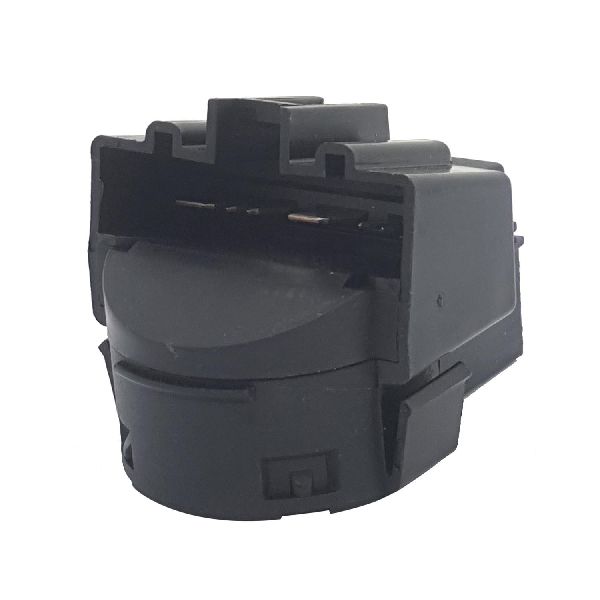
Do not confuse the ignition switch with the ignition lock cylinder (where you put the key) or the ignition coils (which provide spark). The ignition switch is a separate electronic part located inside the steering column.
Known Issues, Recalls, and Bulletins
While there are no specific recalls for the ignition switch itself on the 1998-2006 Navigator, Ford did issue a major recall (NHTSA #05S28) for a faulty cruise control deactivation switch that could cause a fire, even with the vehicle off. This affects all Navigators in this year range. Separately, Ford issued Technical Service Bulletins (TSBs) for related Ford models regarding ignition lock cylinders that are rough to turn or don't return from the 'start' position, which can sometimes be related to the switch assembly. Another TSB addresses no-start conditions related to the Passive Anti-Theft System (PATS), which works with the ignition system.
Choosing the Right Aftermarket Ignition Switch
For a vehicle of this age, an aftermarket ignition switch provides excellent value. OEM parts from Ford/Motorcraft are available but are often more expensive. Aftermarket brands offer reliable alternatives that meet or exceed original specifications.
Premium Aftermarket (Highest Quality & Reliability):
- Standard Ignition (SMP): Often considered a top-tier aftermarket brand, Standard Motor Products provides parts with high-quality materials and robust testing to ensure proper fit and performance. They are a trusted choice for reliability.
Standard Aftermarket (Great Value & Performance):
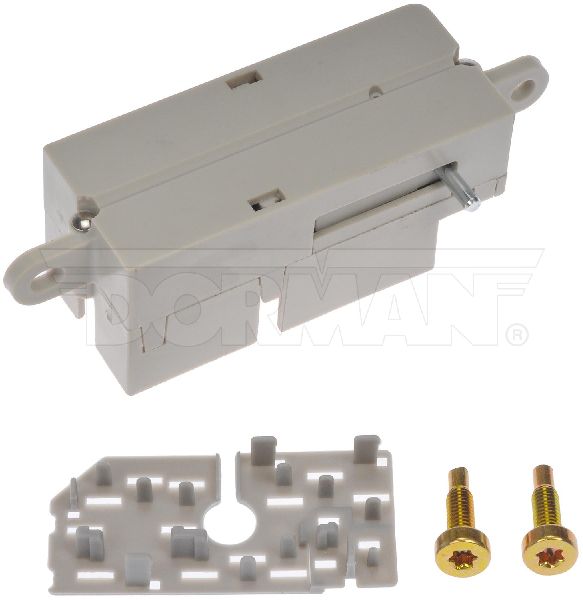
- Dorman: Dorman is well-known for creating affordable replacement parts. They often re-engineer parts to fix common factory flaws. While quality can sometimes be hit-or-miss depending on the part, their ignition components are generally a solid, budget-friendly choice.
- Rostra Powertrain: Rostra produces a wide range of electronic components for both OEM and aftermarket applications. Their switches are tested for performance and offer a direct fit.
Value-Oriented Brands:
- Replacement / True Tech: These are often house brands that provide a low-cost alternative. They are a viable option for budget-conscious repairs, though they may not have the same level of engineering or material quality as premium brands.
Pro Tip: Wiggle Test
If you suspect a bad ignition switch, try this simple test while the vehicle is safely in park. Start the engine, and then gently wiggle the key in the ignition without turning it off. If the engine sputters, stalls, or the dashboard lights flicker, it's a strong indicator that the internal contacts of the ignition switch are worn out.
Cost of Replacing a Lincoln Navigator Ignition Switch
| Item | Estimated Cost |
|---|---|
| New Aftermarket Ignition Switch | $32.80 - $86.15 |
| New OEM (Motorcraft) Ignition Switch | $100 - $180 |
| Shop Labor Cost | $100 - $200 |
| Total Professional Replacement (Aftermarket Part) | $135 - $285 |
Frequently Asked Questions (FAQ)
Is the ignition switch the same as the lock cylinder?
No. The ignition lock cylinder is the mechanical tumbler that you insert your key into. The ignition switch is the electronic part behind it that actually sends power to the vehicle's systems. Sometimes they are replaced together, but they are separate parts.
Do I need to reprogram my key after replacing the ignition switch?
No. Replacing only the ignition switch does not require key reprogramming. Your vehicle's anti-theft system (PATS) recognizes a chip in the key itself, and that system communicates with the lock cylinder and the vehicle's computer, not the switch. As long as you don't change the lock cylinder or the key, no programming is needed.
Can I replace the ignition switch myself?
Yes, this is a manageable DIY job for someone with basic tools and patience. The process involves removing the plastic covers around the steering column to access the switch. You will need tools like a Phillips head screwdriver and possibly a small pick or Torx driver. Always disconnect the battery before starting any electrical work.
What happens if I ignore a failing ignition switch?
Ignoring a bad ignition switch is dangerous. The most critical risk is the engine shutting off unexpectedly while you are driving, leading to a loss of power steering and brakes and increasing the risk of a crash. It can also leave you stranded with a vehicle that won't start.
Technical Specifications
OEM Part Numbers: YS4Z-11572-AC DG9Z-11572-A SW-6958
Located on the steering column, typically held by screws and connected via a 7-terminal electrical connector. The switch is a mechanical and electrical component that routes power based on key position.
We Have This Part in Stock


The information in this article is provided for general reference and educational purposes only. Vehicle specifications, procedures, and part compatibility can vary by production date, trim level, and region. Always consult your vehicle's factory service manual and verify part numbers before purchasing or performing repairs. Safety-critical components such as airbags, seat belts, and braking systems should be installed by a qualified professional.
- Lincoln Navigator: