

Porsche 911 (996/997) Engine Crankshaft Position Sensor: A Complete Guide (1998-2006)
Experiencing stalling or a no-start condition in your 911? Your crankshaft position sensor might be the culprit.
- A no-start condition where the tachometer doesn't move during cranking is a classic sign of a failed sensor.
- Stalling only when the engine is hot is another very common symptom for the 996/997.
- Bosch is the OEM supplier; choosing this brand provides factory quality without the 'Genuine Porsche' price tag.
- This is a critical sensor. Avoid economy brands to prevent premature failure and potential performance issues.
Is Your 911's Crankshaft Position Sensor Failing?
A failing crankshaft position sensor in the 996 and early 997 generation 911 is a common issue. The symptoms often appear when the engine gets hot and may disappear once it cools down. 🎬 See this guide on troubleshooting Porsche hot start issues. This heat sensitivity can make diagnosis tricky. Ignoring the signs can lead to sudden stalling, which is dangerous in traffic, and can leave you stranded without warning.
Key Failure Symptoms:
- No-Start or Hard Starting: The engine cranks but won't fire up. A key sign is that the tachometer needle does not move at all while cranking.
- Stalling When Hot: The car runs fine when cold but suddenly stalls in traffic or at idle after it has warmed up. It may refuse to restart until the engine has cooled for 30-60 minutes.
- Engine Misfires and Rough Idle: The car may run poorly, shudder, or idle erratically as the sensor sends intermittent signals.
- Reduced Engine Power: You might experience poor acceleration or a feeling that the engine is hesitating. In some cases, the engine may not rev past a certain RPM, like 4,500 RPM.
- Check Engine Light: A failing sensor will often trigger the Check Engine Light and store fault codes like P0335 or P0336. 🎬 Watch: Diagnosing these specific error codes on a 996.
Known Issues & Recalls
Searches for official recalls or Technical Service Bulletins (TSBs) specifically for the crankshaft position sensor on the 1998-2006 Porsche 911 did not yield any results. However, forum discussions among owners confirm that sensor failure is a relatively common problem, often related to heat and age.
Choosing the Right Aftermarket Sensor
When replacing this sensor, you have a choice between the official Porsche part and several aftermarket brands. For a critical component like this, quality matters.
| Brand Tier | Brands | Quality & Performance Assessment |
|---|---|---|
| Tier 1: OEM Supplier | Bosch | Bosch is the Original Equipment Manufacturer (OEM) for Porsche for this part. Choosing Bosch gives you the same quality and reliability as the part from the Porsche dealer, often at a significantly lower price. It is the most recommended choice by Porsche specialists and owners for fit and longevity. |
| Tier 2: Reputable Aftermarket | Standard Ignition, Spectra, Walker Products | These brands are established aftermarket manufacturers. While they may offer a cost saving over Bosch, they are not the original supplier. For a critical sensor like this, most experienced Porsche owners recommend sticking with the OEM (Bosch) to avoid potential issues with performance and durability. |
| Tier 3: Economy | URO Parts, Global Parts | These brands offer the lowest price point. However, forum discussions often advise against using economy-branded electronic parts for critical functions on a Porsche. While URO has improved over the years, some users report quality differences compared to OEM parts and advise against their use for anything electrical. The risk of premature failure, poor fitment, or incorrect signals may outweigh the initial cost savings. |
Pro Tip: OEM vs. "Genuine Porsche"
The sensor you buy in a Porsche box is often the exact same Bosch sensor you can buy in a Bosch box, just with a much higher price tag. For this specific part, saving money by choosing the OEM Bosch brand does not mean you are sacrificing quality.
Frequently Asked Questions
Can I replace the crankshaft position sensor myself?
Yes, this is a feasible DIY job for someone with basic mechanical skills. The sensor is located on the driver's side of the engine where it meets the transmission. Access is tight, so you will need to raise the car and remove the rear driver's side wheel. The job requires a 5mm hex socket on a long extension and a 10mm socket. The most difficult part is often reaching the electrical connector and dealing with a bolt that may be seized.
What happens if I don't replace a failing sensor?
Ignoring a failing crankshaft position sensor is not recommended. The intermittent stalling is a major safety hazard, especially in traffic. Eventually, the sensor will fail completely, and your car will not start at all, leaving you stranded.
Is there a common mistake when ordering this part?
Yes. Porsche used different sensors during this period. There was a part number change around 2003. It is crucial to verify the correct part number for your specific vehicle's year and model (and sometimes transmission type) before ordering. Using your VIN is the best way to ensure you get the correct part.
Why does the sensor fail when the engine is hot?
Crankshaft position sensors are electronic components that live in a very hot environment. Over time, the internal electronics and wiring can degrade. Heat increases electrical resistance, so a sensor that is already weak may stop sending a proper signal when it gets hot, only to work again once it cools down. This is a classic sign of impending failure.
Helpful Videos

Technical Specifications
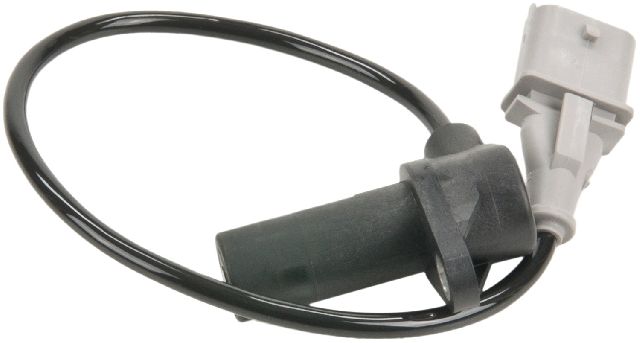
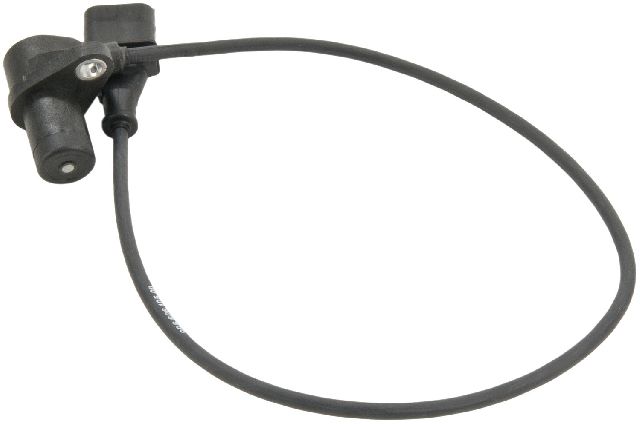
OEM Part Numbers: 98660611202 99660611203 98660611201
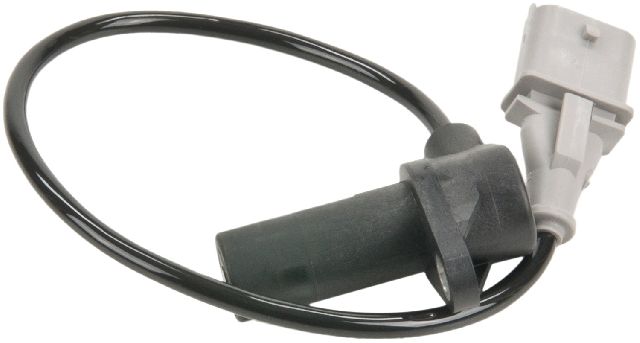
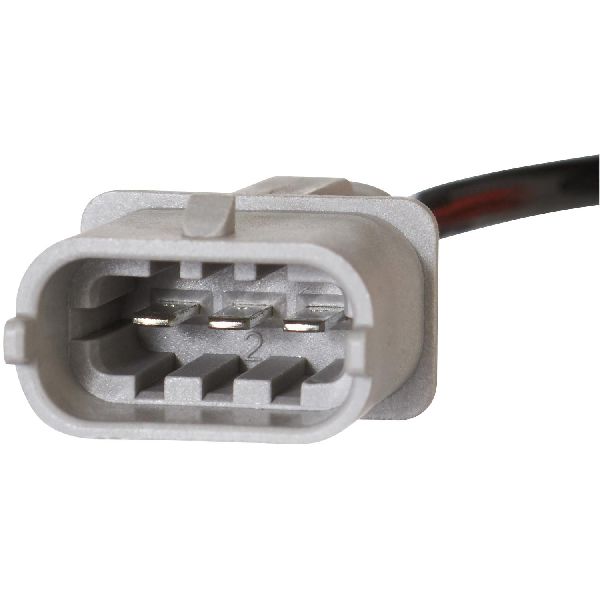
The sensor is a magnetic impulse sender held in place by a single 5mm hex bolt. It is located on the driver's side of the engine near the bell housing, where it reads teeth from the flywheel.
We Have This Part in Stock


The information in this article is provided for general reference and educational purposes only. Vehicle specifications, procedures, and part compatibility can vary by production date, trim level, and region. Always consult your vehicle's factory service manual and verify part numbers before purchasing or performing repairs. Safety-critical components such as airbags, seat belts, and braking systems should be installed by a qualified professional.
- Porsche 911: