

Chevrolet Tracker A/C O-Ring and Gasket Kit Guide (1998-2007)
Stop refrigerant leaks and bring back the cold air in your Tracker by choosing the right A/C seal kit.
- A leaking o-ring is the most common cause of poor A/C performance in an older Tracker, resulting in warm air from the vents.
- This is not a DIY job for most people, as it requires professional equipment to evacuate and recharge the A/C system legally and correctly.
- Whenever the A/C system is opened, you must also replace the receiver/drier to protect the new components.
- Aftermarket kits from brands like ACDelco, Four Seasons, or GPD are the standard for this repair; always lubricate new seals with PAG 46 oil.
Is Your Tracker's A/C Blowing Warm?
The most common sign of a failing o-ring is air from the vents that is cool but not truly cold, or just plain warm. As refrigerant leaks out, the system's pressure drops. Your Tracker has a low-pressure safety switch that will prevent the A/C compressor clutch from engaging if the refrigerant level is too low, protecting it from damage. You might also notice a greasy or oily residue on A/C line fittings in the engine bay; this is the refrigerant oil escaping with the gas. A shop can add a UV dye to the system to make these leaks easy to spot with a black light.
Known Issues for the 1998-2007 Chevrolet Tracker
There are no specific recalls or Technical Service Bulletins (TSBs) from Chevrolet or the NHTSA related to premature A/C o-ring failure on this generation of Tracker. The issues you'll encounter are almost always due to the normal aging process of rubber seals on a vehicle of this vintage. The constant vibration and heat cycles in the engine bay cause the o-rings to lose their flexibility and sealing ability over time.
Choosing the Right Aftermarket A/C Seal Kit
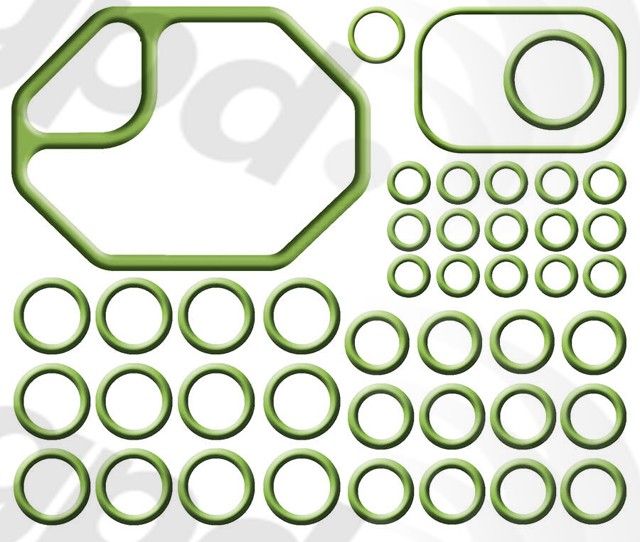
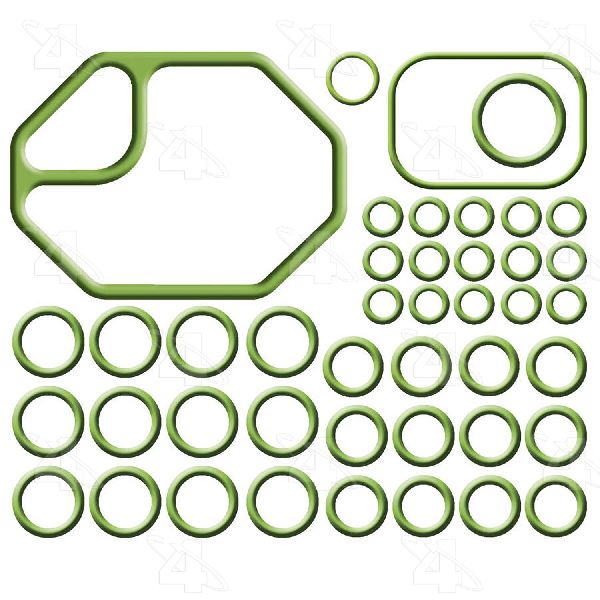
When it comes to replacing A/C o-rings, aftermarket kits are the industry standard. Obtaining a complete set of original equipment (OEM) seals is often impractical, as they are typically sold individually at a much higher cost. An aftermarket kit provides all the necessary seals for a full system service in one convenient package.
Aftermarket Brand Comparison
| Brand | Typical Price | Notes |
|---|---|---|
| ACDelco | $10 - $15 | As GM's official parts brand, ACDelco is a trusted name. For this application, their kit is often the most affordable, providing a good balance of name recognition and value. |
| Four Seasons | $16 - $20 | Four Seasons is one of the largest and most established aftermarket A/C parts manufacturers. Their kits are widely used by professional shops and DIYers. |
| Global Parts (GPD) | $11 - $15 | GPD is another common aftermarket supplier offering application-specific kits that are a direct replacement for the original seals. |
Pro Tip: Lubrication is Not Optional. Always apply a light coating of PAG 46 oil to new o-rings before installation. This helps them seat correctly and prevents them from tearing or getting pinched as you tighten the fittings, which would cause an immediate leak. Some technicians feel that aftermarket o-rings can be slightly less robust than the originals, so proper lubrication is essential for a good seal.
Frequently Asked Questions
Is replacing A/C o-rings a good DIY project?
For most home mechanics, this is a job best left to a professional. While swapping the o-rings themselves is simple, the A/C system must be legally and safely evacuated of any old refrigerant before it's opened. After the repair, a deep vacuum must be pulled on the system to boil off any moisture before it can be recharged with a precise amount of refrigerant. This requires specialized and expensive A/C service equipment.
Can I just replace the one o-ring that's leaking?
While you can, it's not recommended. If one o-ring has failed due to age, the others are likely in similar condition and will fail soon. Since the main cost of the repair is the labor to evacuate and recharge the system, it is far more cost-effective to replace all the accessible seals at once with a complete kit.
What refrigerant and oil does my 1998-2007 Tracker use?
Your Chevrolet Tracker uses R-134a refrigerant and PAG 46 compressor oil. Do not use any other type of refrigerant or oil, as it can cause system damage.
Should I replace any other parts at the same time?
Yes. It is mandatory to replace the A/C receiver/drier (also called an accumulator) any time the system is opened to the atmosphere for a repair. The receiver/drier contains a desiccant material that absorbs moisture from the refrigerant. Once exposed to outside air, this material becomes saturated and can no longer protect your A/C system from corrosion and internal damage. Failure to replace it will void the warranty on most new A/C parts.
Technical Specifications
OEM Part Numbers: Not typically sold as a complete kit; individual seals must be purchased from a dealer.
Refrigerant Type: R-134a Compressor Oil: PAG 46
We Have This Part in Stock


The information in this article is provided for general reference and educational purposes only. Vehicle specifications, procedures, and part compatibility can vary by production date, trim level, and region. Always consult your vehicle's factory service manual and verify part numbers before purchasing or performing repairs. Safety-critical components such as airbags, seat belts, and braking systems should be installed by a qualified professional.
- Chevrolet Tracker: