

Throttle Position Sensor Guide for 1998-2007 Dodge Durango
Solve erratic shifting, stalling, and poor acceleration by understanding and replacing your Durango's throttle position sensor.
- Erratic transmission shifting is a primary symptom of TPS failure on a 1998-2007 Durango.
- Replacement is very easy, requiring only a T25 Torx driver and about 30 minutes.
- Water dripping from the windshield cowl is a known cause of repeat failures; use dielectric grease in the connector for protection.
- Choose reputable aftermarket brands like Delphi or NGK to avoid the poor reliability of budget sensors.
Is Your Durango's Throttle Position Sensor Failing?
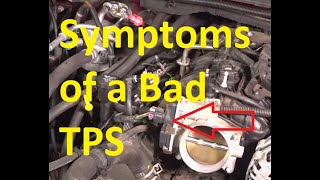
A bad throttle position sensor can cause a wide range of frustrating engine and transmission problems. Because the sensor's signal is used for so many calculations, a faulty one can make your Durango run poorly and unpredictably. One of the most common complaints from Durango owners is erratic automatic transmission shifting, which can feel like the truck can't decide what gear to be in. You might also experience a sudden loss of power, stalling when you come to a stop, or a dangerously hesitant response when you press the gas pedal.
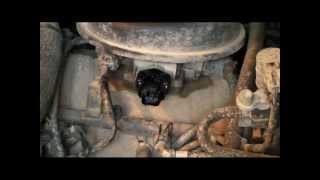
🎬 Watch: See common symptoms and how to verify a failure.A Common Durango-Specific Issue
A known issue on these Durangos is the design of the windshield cowl. Over time, it can warp and allow rainwater to drip directly onto the throttle body area. Unfortunately, the TPS is located right in this path. This water intrusion can short out the sensor's electronics and cause repeated failures. If you find yourself replacing the TPS often, especially after rain, consider applying dielectric grease inside the electrical connector to create a waterproof seal.
Choosing the Right Aftermarket TPS Brand
When replacing your TPS, you have a choice between OEM (Mopar) and various aftermarket brands. While an OEM part is always a safe bet, high-quality aftermarket sensors can offer similar performance for less money. However, not all aftermarket brands are created equal, and choosing a low-quality budget part can lead to another failure in a short time. Here’s a breakdown of available brands to help you choose.
Tier 1: Premium Aftermarket (OEM Quality)
These brands are known for manufacturing parts that meet or exceed original equipment specifications. They are often original suppliers to vehicle manufacturers.
- Delphi: A major OE manufacturer with a strong reputation for quality electronics. A Delphi sensor is a reliable choice that is expected to perform like the original part.
- NGK/NTK: Well-known for ignition components and sensors, NTK (the sensor division of NGK) produces high-quality sensors that undergo extensive testing to ensure performance and durability.
Tier 2: Reputable Aftermarket
These brands are trusted in the repair industry and offer a good balance of quality and value. They are a solid choice for most DIY repairs.
- Standard Motor Products (Standard Ignition): A long-standing company that produces a wide range of reliable engine management components.
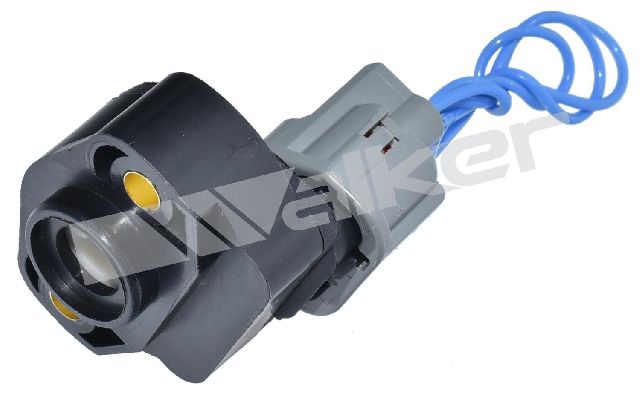
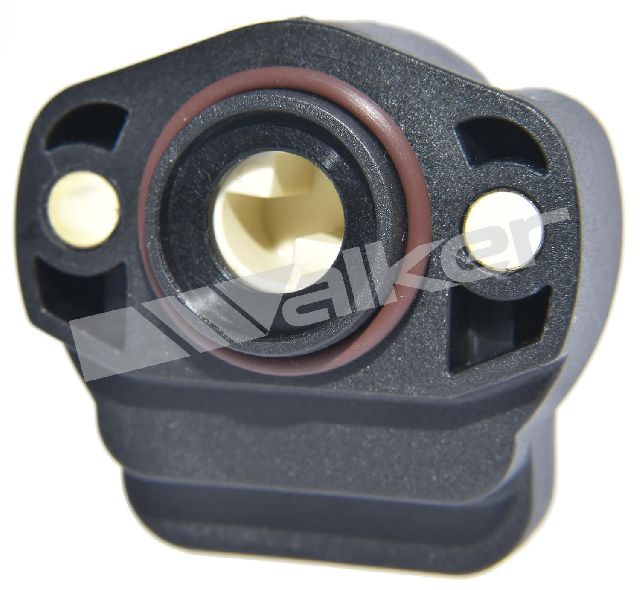
- Walker Products: Another established brand specializing in fuel delivery and engine sensors, offering dependable parts.
Tier 3: Economy Brands
These brands focus on affordability. While they can be a solution for a tight budget, their quality and longevity can be inconsistent. Some owners report these parts failing prematurely.
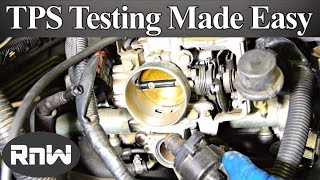
- Dorman: Dorman has a mixed reputation. While some of their "OE FIX" parts are innovative, their standard replacement sensors are often considered a hit-or-miss gamble on quality. 🎬 Learn how to test your sensor before buying a replacement.
- Replacement / True Tech / Global Parts: These are often house brands or value-focused lines. They are the most affordable but may lack the robust testing and materials of premium brands.
Pro Tip: Given the importance of the TPS for both engine and transmission function, spending a few extra dollars on a Tier 1 or Tier 2 brand is a wise investment to avoid doing the job twice.
Typical Replacement Costs
The cost to replace a TPS on a 1998-2007 Durango can vary depending on the part quality and whether you do the work yourself.
| Part Type | Cost Range |
|---|---|
| New Aftermarket | $29.99 - $72.42 |
| New OEM (Mopar) | $90 - $150 |
| Shop Labor | $75 - $150 |
Frequently Asked Questions
Can I replace the throttle position sensor myself?
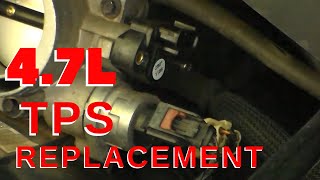
Yes, this is a very beginner-friendly DIY job. The TPS is located on the side of the throttle body and is held on by just two Torx screws (usually a T25 size). The entire process typically takes less than 30 minutes and only requires basic hand tools.
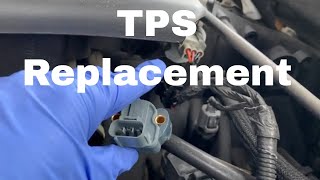
🎬 See this walkthrough on replacing the sensor and clearing codes.Does a new TPS need to be calibrated?
For the 1998-2007 Durango, there is no special calibration procedure required with a scan tool. However, it is a good practice to reset the engine computer after installation. You can do this by disconnecting the negative battery terminal for about 15 minutes before and after the replacement. The computer will then relearn the new sensor's idle and full-throttle values as you drive.
What happens if I don't replace a bad TPS?
Ignoring a failing TPS can lead to more serious issues. Persistently poor engine performance can cause carbon buildup, damage the catalytic converter, and result in terrible fuel economy. More importantly, symptoms like stalling and unpredictable acceleration are significant safety hazards.
Why did my cheap aftermarket TPS fail after only a few months?
Lower-cost sensors often use inferior internal components and may not be sealed as effectively against heat and moisture. As mentioned, water intrusion is a specific problem for these Durangos, and a cheaper sensor may not withstand it. This is why many mechanics recommend sticking with well-known, reputable brands for electronic parts.
Helpful Videos
Technical Specifications
OEM Part Numbers: 5017479AA 4882219 68404428AA 4874371AC 5019411AD
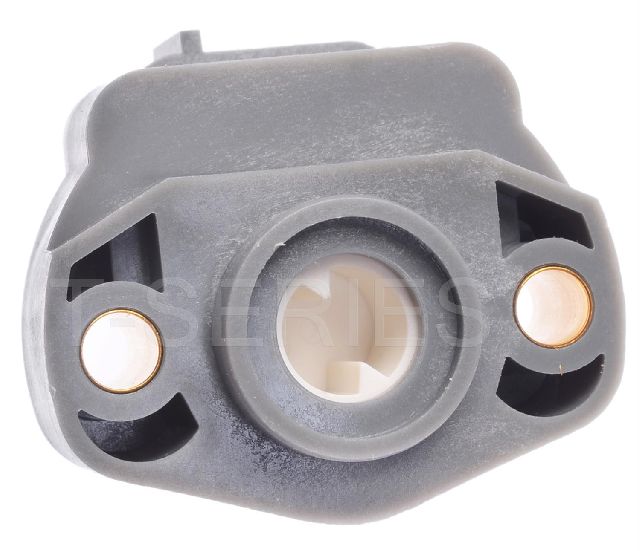
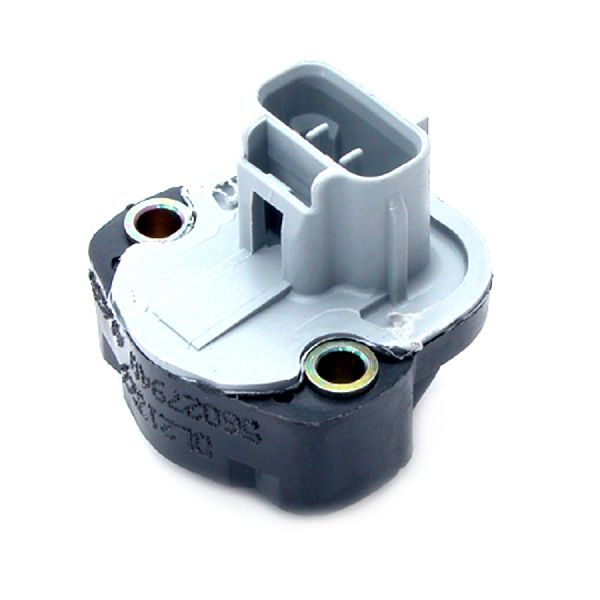
Located on the throttle body, this is typically a 3-pin sensor that uses a variable resistor to send a 0.5V (idle) to 4.5V (wide open throttle) signal to the engine computer.
We Have This Part in Stock


The information in this article is provided for general reference and educational purposes only. Vehicle specifications, procedures, and part compatibility can vary by production date, trim level, and region. Always consult your vehicle's factory service manual and verify part numbers before purchasing or performing repairs. Safety-critical components such as airbags, seat belts, and braking systems should be installed by a qualified professional.
- Dodge Durango:
- 🎬 Helpful Videos
- 🛍️ Shop This Part
- Is Your Durango's Throttle Position Sensor Failing?
- A Common Durango-Specific Issue
- Choosing the Right Aftermarket TPS Brand
- Tier 1: Premium Aftermarket (OEM Quality)
- Tier 2: Reputable Aftermarket
- Tier 3: Economy Brands
- Typical Replacement Costs
- Frequently Asked Questions
- 🎟️ Get 5% Off