

A Guide to Oxygen Sensor Replacement for the 1998-2007 Lexus GS300
Fix your check engine light and restore performance by choosing the right oxygen sensor for your 2JZ-GE engine.
- Your GS300 has four oxygen sensors; use a code scanner to identify the exact one that has failed before buying a part.
- Denso is the original equipment manufacturer (OEM) and is the most recommended brand for a reliable, long-lasting repair.
- Avoid universal-fit sensors that require splicing wires, as they are a common cause of issues on sensitive Lexus systems.
- A special slotted oxygen sensor socket will make removal and installation significantly easier.
Understanding Oxygen Sensor Failure in Your GS300

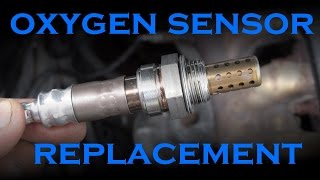
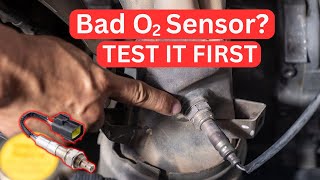
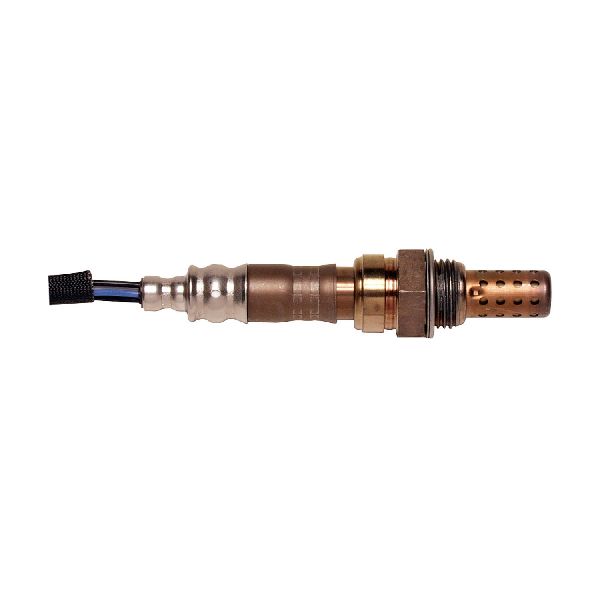
A failing oxygen sensor is a common issue on the 1998-2005 GS300, often due to the internal heater circuit failing over time. This will almost always trigger the check engine light. Ignoring a bad oxygen sensor can lead to poor fuel economy, a rough idle, failed emissions tests, and in severe cases, damage to your expensive catalytic converters. Your GS300, with its 2JZ-GE inline-six engine, has four sensors in total: two upstream (before the catalytic converters) and two downstream (after the catalytic converters). It is crucial to identify which specific sensor has failed 🎬 Follow this step-by-step guide to testing your O2 sensors. before purchasing a replacement.
Symptoms of a Bad Oxygen Sensor


- Check Engine Light: This is the most common sign. Codes like P0135, P0155, P0141, or P0161 point directly to O2 sensor heater circuit malfunctions.
- Reduced Fuel Economy: The engine's computer may default to a rich fuel mixture to be safe, causing you to use more gas.
- Rough Idle or Misfires: An incorrect air/fuel mixture can cause the engine to run poorly.
- Failed Emissions Test: The O2 sensors are a key part of the emissions system, and a faulty one will cause your car to fail testing.
Known Issues & Recalls
Searches of the National Highway Traffic Safety Administration (NHTSA) database show no specific recalls for oxygen sensors on the 1998-2007 Lexus GS300. However, owners frequently report failures of the sensor's internal heater circuit as a common problem. There is a TSB for the 2006 model year that mentions a scenario where O2 sensor issues could potentially lead to needing to replace sensors, catalytic converters, and the ECU, but this seems specific to that year.
Choosing the Right Aftermarket Oxygen Sensor

When it comes to electronics on a Lexus, brand choice matters. While saving money is tempting, using a low-quality sensor can lead to persistent check engine lights and performance issues because the vehicle's computer is very sensitive to the sensor's readings.
Tier 1: OEM Equivalent (Highly Recommended)
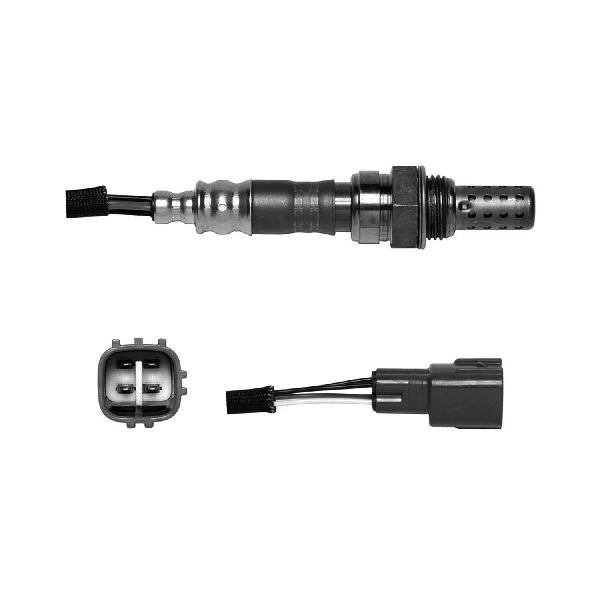
- Denso: Denso is the Original Equipment Manufacturer (OEM) for Lexus. Choosing a Denso sensor is the closest you can get to buying the part from a Lexus dealer without the high price tag. They are widely recommended by owners for their reliability and perfect compatibility.
- NGK/NTK: NTK is the sensor division of NGK. They are another top-tier Japanese manufacturer known for high-quality OEM parts and are considered a very reliable alternative to Denso.
Tier 2: Reputable Aftermarket
- Bosch: Bosch is a massive OEM supplier for many European brands. While their quality is generally good, some Lexus owners have reported mixed results with aftermarket Bosch sensors compared to Denso or NTK. Ensure you get a direct-fit model, not a universal one.
- Delphi: A well-known aftermarket brand that produces reliable parts. They are a solid mid-range option if Denso or NGK are unavailable.
Tier 3: Value Brands
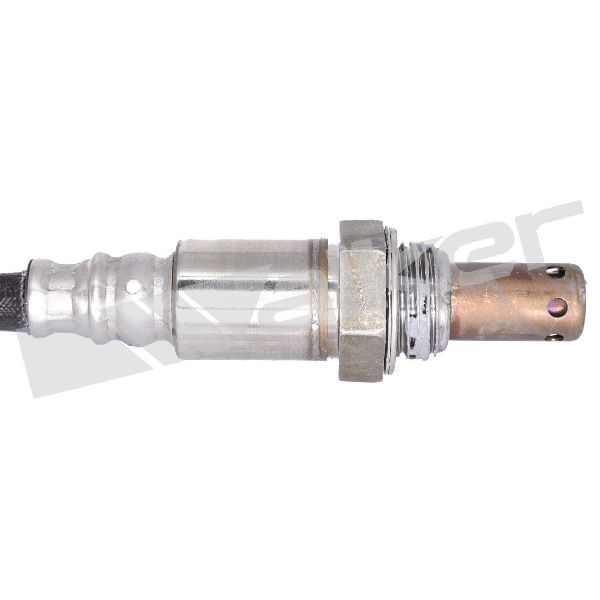
- DriveWire, Spectra, Walker Products: These brands offer a more budget-friendly option. While they can work, they may not have the same longevity or precise calibration as the OEM-tier brands. It is highly discouraged to use inexpensive "universal" sensors that require splicing wires, as these often cause problems with the Lexus emissions system.
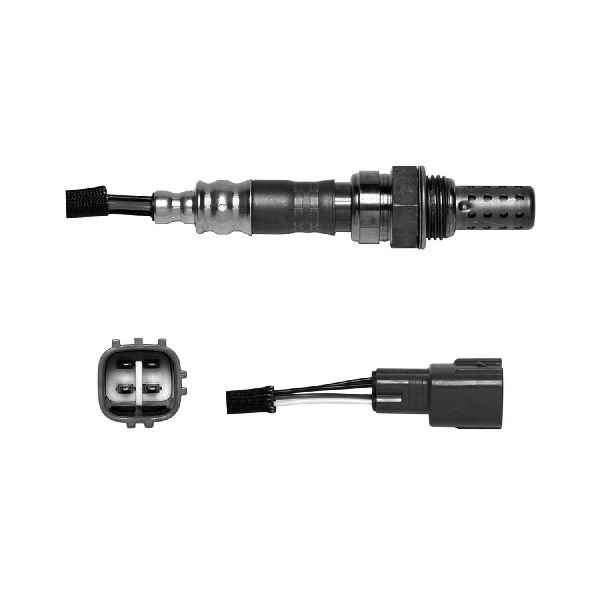
Pro Tip: Always buy a "direct-fit" sensor with the correct plug. Universal sensors that require you to splice wires are a common source of problems and should be avoided for this vehicle.
Cost of Replacing a Lexus GS300 Oxygen Sensor
| Part Type | Price Range (Per Sensor) |
|---|---|
| New Aftermarket | $25.19 - $264.29 |
| New OEM (Dealer) | $254 - $350 |
| Shop Labor | $128 - $188 |
| Total Professional Replacement | $382 - $538 (per sensor) |
Frequently Asked Questions
How many oxygen sensors does my 1998-2007 GS300 have?
Your GS300 has four oxygen sensors. There are two upstream (before the catalytic converter) and two downstream (after the catalytic converter). They are often referred to as Bank 1 Sensor 1, Bank 1 Sensor 2, Bank 2 Sensor 1, and Bank 2 Sensor 2.
What is the difference between upstream and downstream sensors?
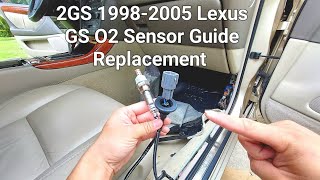
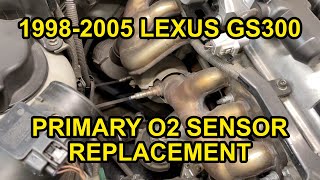
Upstream sensors (Sensor 1) are located in the exhaust manifold before the catalytic converter. They are critical for managing the engine's air-fuel ratio. 🎬 Watch: How to replace the primary upstream O2 sensors. Downstream sensors (Sensor 2) are located after the catalytic converter and their main job is to monitor the converter's efficiency.
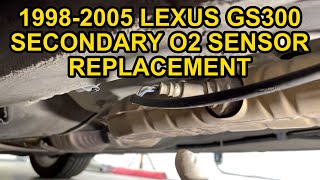
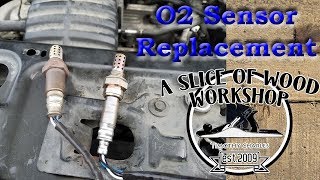
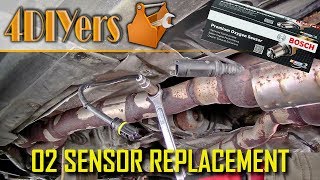
🎬 See this walkthrough for replacing the secondary downstream sensors.What tools do I need to replace an oxygen sensor?
The job is much easier with a special oxygen sensor socket, which is a deep socket with a slot cut out for the wire. You will also need a ratchet and potentially some penetrating oil if the old sensor is rusted in place. A 22mm or 7/8" wrench can also be used.
Which sensor is Bank 1 and which is Bank 2?
On the 2JZ-GE engine in your GS300, Bank 1 refers to the cylinders closer to the front of the car (cylinders 1-2-3). Bank 2 refers to the cylinders closer to the firewall (cylinders 4-5-6).
Can I just clean my old oxygen sensor?
No. While some people attempt this, it is not a reliable fix. The failure is usually internal to the sensor's heater or sensing element. Replacement is the only proper solution.
Helpful Videos
Technical Specifications
OEM Part Numbers: 89465-30480 89467-30010
The 1998-2007 Lexus GS300 uses four heated oxygen sensors. The upstream sensors are Air/Fuel Ratio sensors, while the downstream sensors are standard oxygen sensors. The engine configuration is a 3.0L 2JZ-GE inline-6. Bank 1 refers to cylinders 1-3 (front), and Bank 2 refers to cylinders 4-6 (rear).
We Have This Part in Stock


The information in this article is provided for general reference and educational purposes only. Vehicle specifications, procedures, and part compatibility can vary by production date, trim level, and region. Always consult your vehicle's factory service manual and verify part numbers before purchasing or performing repairs. Safety-critical components such as airbags, seat belts, and braking systems should be installed by a qualified professional.
- Lexus GS300: