

A Complete Guide to the 1998-2007 Lexus GS300 Radiator
Keep your legendary 2JZ-GE engine from overheating by understanding common failures and choosing the right replacement radiator.
- The most common failure is a crack in the upper plastic tank due to age; look for leaks and browning plastic.
- High-quality aftermarket brands like Denso and Koyorad are excellent, reliable alternatives to expensive OEM parts.
- Always replace the radiator cap and consider replacing the upper and lower radiator hoses at the same time.
- Use only Toyota Long Life "Red" coolant mixed with distilled water to protect your cooling system.
Is Your GS300 Radiator Failing?
The original radiator in the 1998-2007 Lexus GS300 is a durable part, but it has a known weak point: the plastic tanks on the top and bottom. Over many years of heating up and cooling down, this plastic becomes brittle, turns a brownish color, and eventually cracks. This is the most common cause of failure for these radiators.
Watch for these clear warning signs:
- Engine Temperature Gauge Climbing: If your temp gauge is running hotter than normal or entering the red zone, your radiator may not be cooling effectively.
- Visible Coolant Leaks: Puddles of pink, red, or green fluid under the front of your car are a sure sign of a leak. The most common source is a hairline crack in the top plastic tank.
- Steam from the Engine Bay: If you see steam coming from under the hood, pull over immediately. This often means coolant is leaking onto the hot engine.
- Sweet Smell: Leaking coolant has a distinct sweet, syrupy smell. If you notice this odor around your car, you likely have a leak.
- Low Coolant Level: Constantly needing to add coolant to the overflow reservoir is another sign of a leak in the system.
A Note on Internal Transmission Coolers
Your GS300's automatic transmission fluid is cooled by a separate chamber inside the radiator. While rare on these models, a failure inside the radiator could allow coolant and transmission fluid to mix. This creates a destructive "pink milkshake" that can quickly ruin your transmission. Replacing an aging radiator is good preventative maintenance to avoid this catastrophic failure.
Choosing the Right Aftermarket Radiator for Your GS300
You do not need to buy an expensive radiator from a Lexus dealer. Several high-quality aftermarket brands offer excellent performance and value, often meeting or exceeding the original specifications. Aftermarket radiators for the GS300 are typically direct-fit, meaning they install without any modifications. They are grouped here by quality and reputation among Lexus owners.
Tier 1: OE-Equivalent or Better
These brands are trusted by enthusiasts and mechanics for their quality, fit, and durability. They are excellent choices for a long-lasting, worry-free replacement.
- Denso: Denso is a well-known original equipment (OE) supplier for Toyota and Lexus, and their radiators are considered a top-tier replacement. Fit and quality are typically identical to the part your car came with. Note that some Denso radiators may require a new, specific radiator cap.
- Koyorad: Koyorad has a strong reputation for making high-quality radiators that are often considered equal to or even better than OEM. They are a very popular and reliable choice in the Lexus community.
Tier 2: Quality Aftermarket
These brands offer a good balance of quality and price. They are reliable replacements for a daily-driven vehicle.
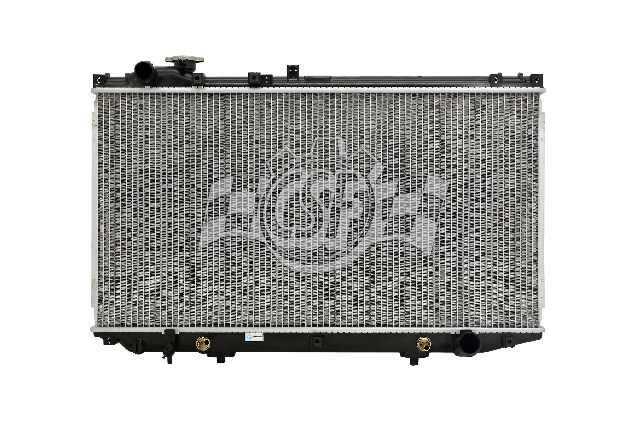
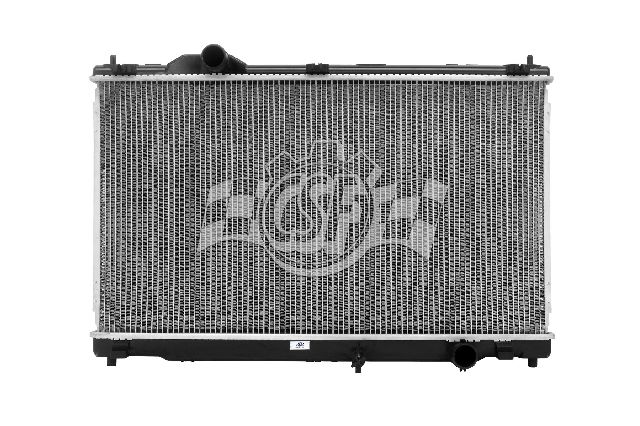
- CSF Radiator: CSF is a respected brand that produces quality OEM-style radiators with plastic tanks and aluminum cores. They are known for good construction and are a solid alternative to the top-tier brands.
- Nissens: Nissens is another established European brand that manufactures reliable cooling system components that meet OE standards.
Tier 3: Economy Options
These brands focus on providing a functional, direct-fit part at the lowest price point. They are a good choice if budget is your main priority.
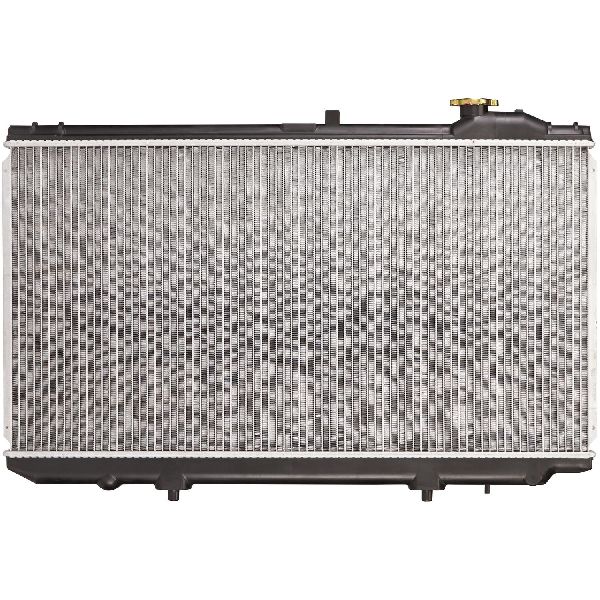
- Spectra Premium: Often available at auto parts stores and online, Spectra provides a budget-friendly radiator that fits correctly and gets the job done.
- APDI / Global Parts / One Stop Solutions / Onix: These brands are typically found online and represent the most affordable options. They are designed to be functional replacements that meet basic requirements.
What About All-Aluminum Radiators?
Brands like Mishimoto and Megan Racing offer all-aluminum radiators for the GS300. These eliminate the plastic end tanks, which are the primary failure point on the stock design. While they offer superior durability, they are generally considered overkill unless your car is heavily modified or used for high-performance driving.
Estimated Replacement Costs
| Part Type | Estimated Cost |
|---|---|
| New OEM (Dealer) | $330 - $450 |
| New Aftermarket | $105 - $219 |
| Shop Labor | $240 - $360 |
Frequently Asked Questions
Do I need to replace my radiator cap?
Yes, it is highly recommended to replace the radiator cap when you install a new radiator. The cap is a critical part that holds pressure in the system. Some aftermarket radiators, like Denso, may even require a specific cap part number for a proper seal.
What kind of coolant should I use in my GS300?
You should use Toyota/Lexus Long Life "Red" coolant concentrate, mixed 50/50 with distilled water. Do not use universal "all makes, all models" green or orange coolant, as they contain chemicals that can damage your cooling system over time.
Should I replace my radiator hoses at the same time?
Yes. If your radiator has failed from age, your upper and lower radiator hoses are just as old. Replacing them at the same time as the radiator is cheap insurance against a future failure and saves you from having to drain the cooling system again.
Is replacing the radiator a DIY job?
For a mechanically inclined owner, yes. The process is straightforward and involves draining the system, removing the airbox for access, disconnecting the hoses and fan connectors, and unbolting the radiator assembly. The main things to watch for are cleanly disconnecting the transmission cooler lines and properly "burping" the air out of the system when you refill it.
Technical Specifications
OEM Part Numbers: 16400-46570 16400-46270 16400-31370
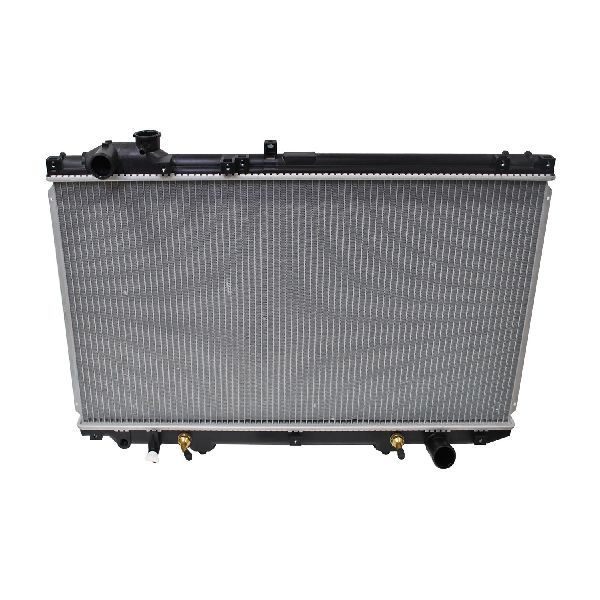
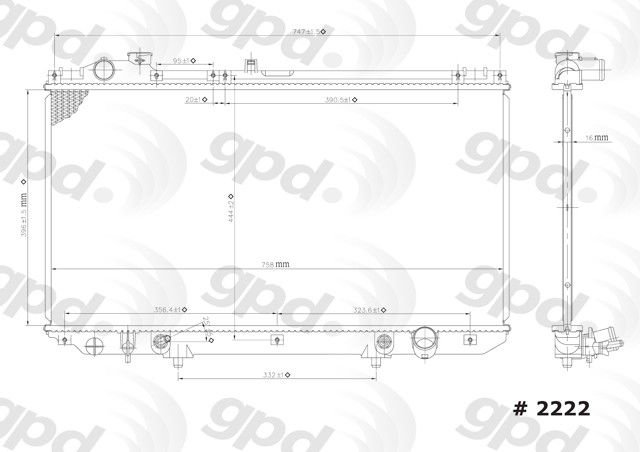
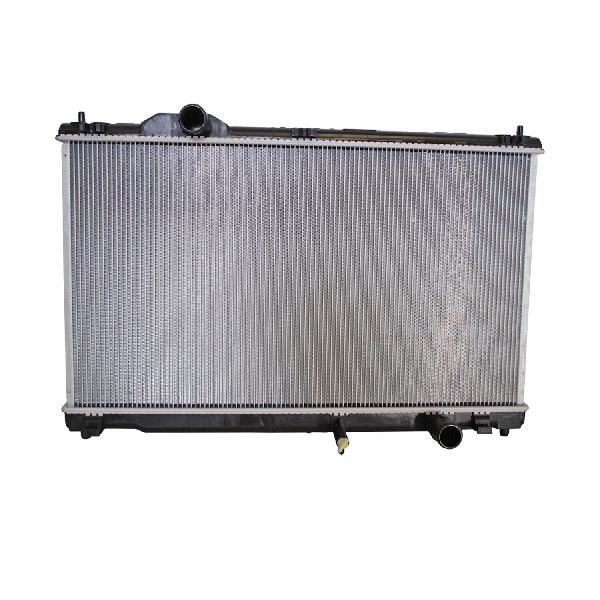
Most aftermarket radiators for the 1998-2005 GS300 are a single-row, downflow design with an aluminum core and plastic tanks, matching the OEM style. They include an integrated concentric transmission oil cooler. Core dimensions are approximately 15.75" in height, 29.4" in width, and 0.6-0.7" in thickness.
We Have This Part in Stock

The information in this article is provided for general reference and educational purposes only. Vehicle specifications, procedures, and part compatibility can vary by production date, trim level, and region. Always consult your vehicle's factory service manual and verify part numbers before purchasing or performing repairs. Safety-critical components such as airbags, seat belts, and braking systems should be installed by a qualified professional.
- Lexus GS300:
- 🛍️ Shop This Part
- Is Your GS300 Radiator Failing?
- A Note on Internal Transmission Coolers
- Choosing the Right Aftermarket Radiator for Your GS300
- Tier 1: OE-Equivalent or Better
- Tier 2: Quality Aftermarket
- Tier 3: Economy Options
- What About All-Aluminum Radiators?
- Estimated Replacement Costs
- Frequently Asked Questions
- 🎟️ Get 5% Off