

Lexus LX470 (1998-2007) Oxygen Sensor: A Complete Guide
Learn how to diagnose, choose, and replace the right oxygen sensors to keep your LX470's 4.7L V8 running perfectly.
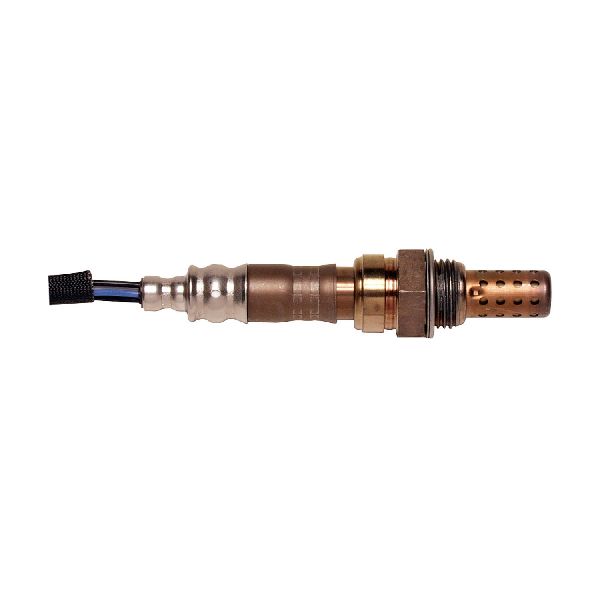
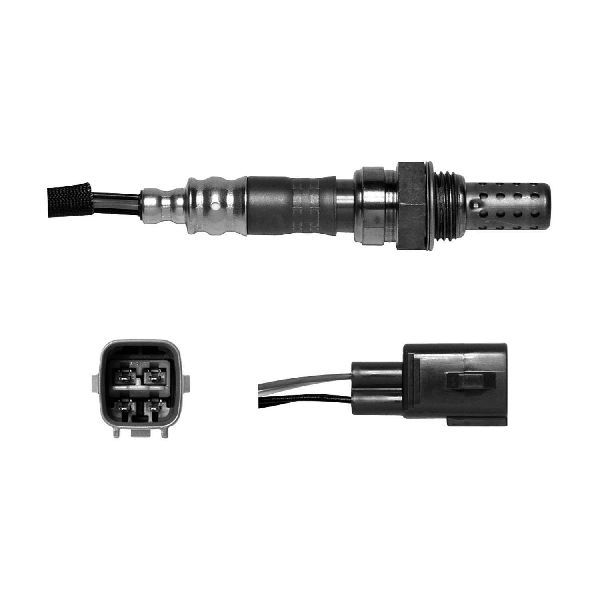
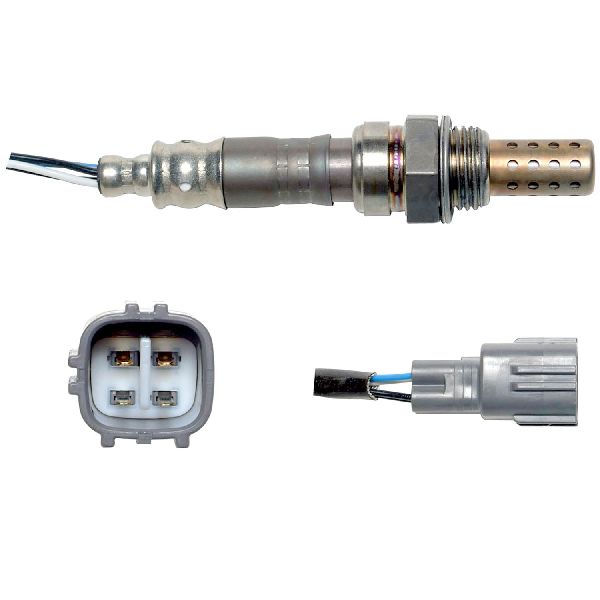
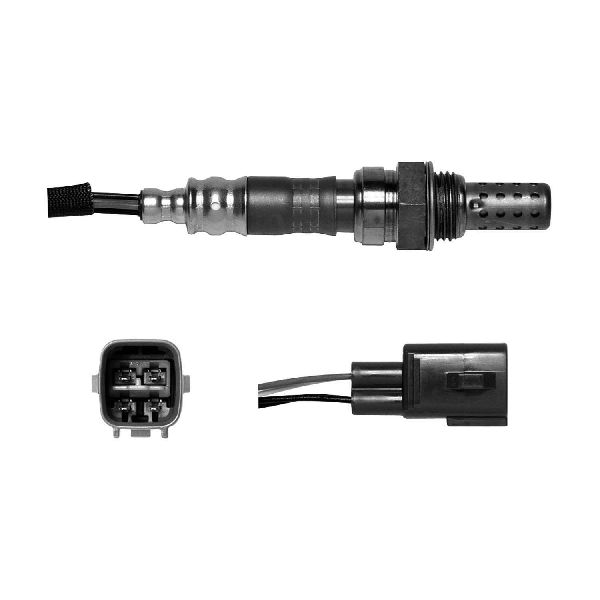
- Your LX470 has four oxygen sensors; two upstream (Air/Fuel) and two downstream (Oxygen).
- For reliability and to avoid issues, always choose Denso brand sensors, as they are the original manufacturer for Lexus.
- A check engine light with codes P0135 or P0155 is a very common indicator of a failed upstream sensor.
- Ignoring a failed sensor can lead to poor fuel economy and eventual damage to the catalytic converters.
Is Your LX470 Oxygen Sensor Failing?

The most common sign of a bad oxygen sensor is the Check Engine Light illuminating on your dashboard. However, you might notice other performance issues as well. A failing sensor can send wrong information to the engine's computer, leading to a fuel mixture that is either too rich (too much fuel) or too lean (not enough fuel).
Key Symptoms of a Bad O2 Sensor:
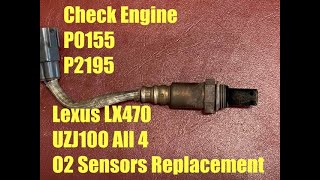
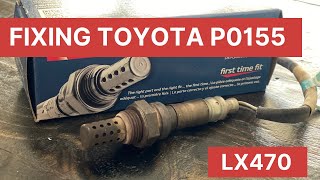
- Check Engine Light: The most frequent indicator, often with codes like P0135 or P0155 for the front sensors. 🎬 See how to diagnose and fix a P0155 trouble code.
- Worse Gas Mileage: The engine may burn more fuel than necessary because of an incorrect air-fuel ratio.
- Rough Engine Performance: You might experience a rough idle, engine hesitation, misfires, or even stalling.
- Rotten Egg Smell: Excess fuel being burned in the exhaust can create a sulfur-like smell.
- Failed Emissions Test: An O2 sensor is critical for controlling emissions, and a bad one will almost certainly cause you to fail a smog check.
Choosing the Right Aftermarket Oxygen Sensor

When it comes to oxygen sensors for a Lexus, brand choice matters. While many options are available, owner and mechanic feedback points to a clear preference.
Brand Quality Tiers for the LX470
- Tier 1 (OEM Equivalent): Denso. Denso is the Original Equipment Manufacturer (OEM) for Toyota and Lexus. This means they made the original parts for your vehicle. For guaranteed fit, performance, and longevity, Denso is the most recommended brand by LX470 owners. Aftermarket Denso sensors offer the same quality as the dealer part, often at a much lower price.
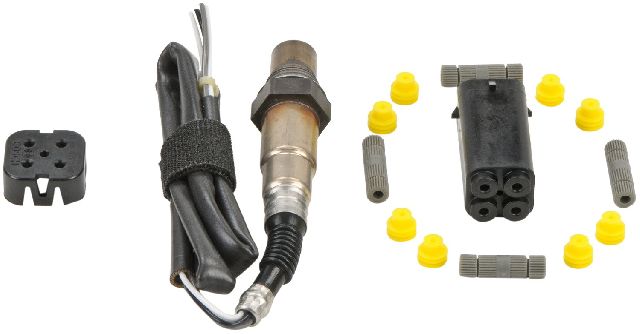
- Tier 2 (Reputable Alternatives): NGK, Bosch. NGK (also known as NTK for sensors) and Bosch are well-known, high-quality brands. However, some Toyota/Lexus owners report occasional compatibility issues or shorter life with Bosch sensors compared to Denso. If Denso is not available, these are viable options, but Denso remains the top choice.
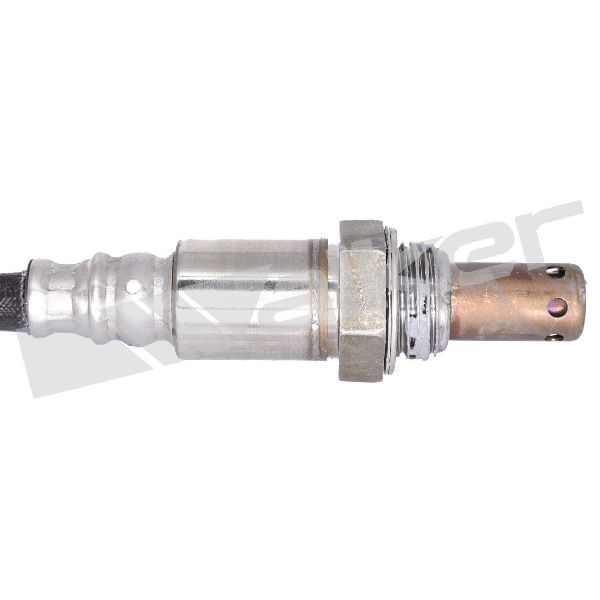
- Tier 3 (Budget Brands): DriveWire, Spectra, Walker, etc. These brands offer a lower price point but may not provide the same long-term reliability and precise performance as Denso or NGK. For a vehicle as specific as the LX470, it is generally advised to invest in the OEM-equivalent sensor to avoid potential issues.
Cost of Replacing an LX470 Oxygen Sensor
The cost can vary depending on the brand of the sensor and whether you do the work yourself or hire a professional.
| Part / Service | Estimated Cost |
|---|---|
| New Aftermarket Oxygen Sensor | $25 - $170 |
| New OEM (Dealer) Oxygen Sensor | $130 - $275 |
| Shop Labor | $100 - $250 per sensor |
Frequently Asked Questions (FAQ)

How many oxygen sensors does a 1998-2007 Lexus LX470 have?
The Lexus LX470 has four oxygen sensors. There are two upstream (before the catalytic converter) and two downstream (after the catalytic converter).
What is the difference between upstream and downstream sensors?
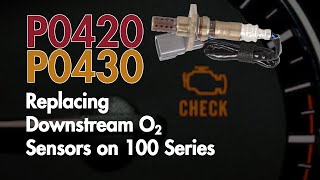
Upstream sensors (also called Air/Fuel Ratio sensors or Sensor 1) make rapid adjustments to the air-fuel mixture. Downstream sensors (Sensor 2) monitor the efficiency of the catalytic converter. 🎬 Watch a guide on replacing the downstream sensors. Upstream sensors fail more commonly.
What does Bank 1 and Bank 2 mean?
"Bank 1" refers to the side of the engine with cylinder #1, which is the driver's side on the LX470. "Bank 2" is the passenger's side. So, "Bank 1, Sensor 1" is the upstream sensor on the driver's side.
Can I replace just one oxygen sensor?
Yes, but it is often recommended to replace them in pairs (both upstream or both downstream) especially on higher-mileage vehicles. This ensures balanced readings from both sides of the engine. If one has failed due to age, the other is likely not far behind.
Is replacing an LX470 oxygen sensor a DIY job?
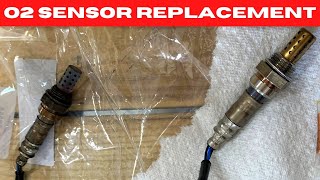
Yes, for a moderately skilled DIYer, this is a manageable job. 🎬 Watch this complete upstream and downstream sensor replacement walkthrough. The main challenges are accessing the sensors and breaking them loose, as they can get seized in the exhaust pipe. Using plenty of penetrating oil and having a special O2 sensor socket (22mm or 7/8") is highly recommended.
Helpful Videos

Technical Specifications
OEM Part Numbers: 89465-60150 89467-71020 89465-50150 89465-60300 89465-69175 89467-60020
The 1998-2007 Lexus LX470 uses four heated oxygen sensors. The upstream sensors are often referred to as Air-Fuel Ratio (A/F) sensors, while the downstream are standard O2 sensors. Upstream sensors use a threaded, screw-in design. Downstream sensors use a two-bolt flange with a gasket. A special 22mm or 7/8" slotted socket is needed for upstream sensors, while 12mm sockets are needed for the downstream sensor nuts.
We Have This Part in Stock

The information in this article is provided for general reference and educational purposes only. Vehicle specifications, procedures, and part compatibility can vary by production date, trim level, and region. Always consult your vehicle's factory service manual and verify part numbers before purchasing or performing repairs. Safety-critical components such as airbags, seat belts, and braking systems should be installed by a qualified professional.
- Lexus LX470: