

Volvo V70 Engine Crankcase Breather System Guide (1998-2007)
Understanding the critical crankcase ventilation system in your V70 and how to fix it right.
- This is a critical system; failure can cause severe oil leaks and engine damage.
- Always replace the entire system with a complete kit, not just one broken hose.
- The job requires removing the intake manifold, so choose a high-quality kit (Genuine or OEM supplier) to avoid doing the job twice.
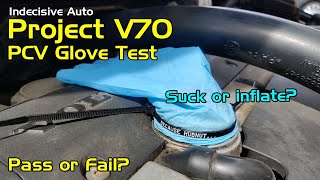
- Use the 'glove test' to easily check if your system is clogged.
Is Your V70's PCV System Clogged?
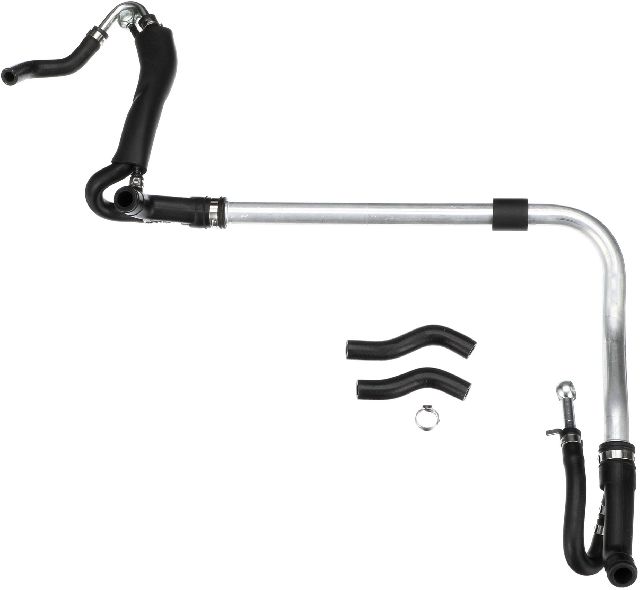
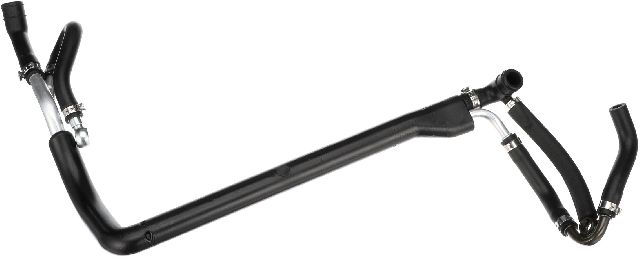
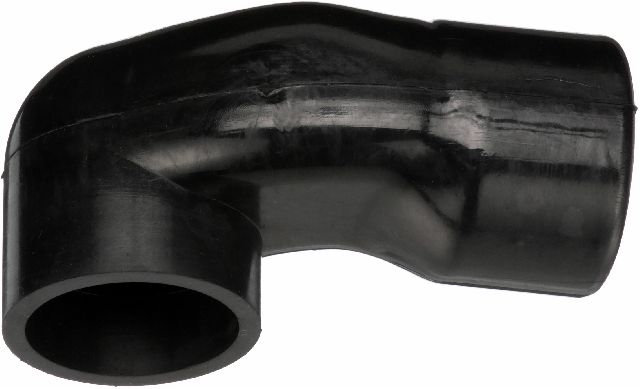
The crankcase ventilation system on the 1998-2007 Volvo V70 is not a simple valve; it's a complex network of hoses and an oil separator box located under the intake manifold. It is a very common maintenance item because the hoses become brittle and the passages get clogged with oil sludge over time. Ignoring a clogged system can lead to expensive engine damage.
Symptoms of a Failing Breather System
A clogged PCV system creates high pressure inside your engine, leading to noticeable problems. Look out for these signs:
- Whistling Noises: A high-pitched whistle from the engine bay that might disappear when you remove the oil filler cap is a classic sign of pressure buildup.
- Major Oil Leaks: This is the most serious symptom. Pressure can force oil out of engine seals, especially the rear main seal, camshaft seals, or even the oil cap gasket. A blown seal can lead to rapid oil loss.
- Smoke from the Dipstick: If you pull out the dipstick with the engine running and see smoke puffing out, you have positive crankcase pressure.
- Check Engine Light: Cracked hoses can create a vacuum leak, which confuses the engine computer and triggers a check engine light.
- Rough Idle: The engine may run poorly or idle unevenly due to the vacuum leaks.
The Glove Test: A simple and definitive way to check your PCV system is the "glove test." With the engine running, place a disposable rubber glove over the oil filler opening. If the glove gets sucked in slightly, your system is working. If it inflates like a balloon, the system is clogged and needs to be replaced.
🎬 Watch: See how to perform the glove test yourself.Choosing the Right Aftermarket Parts
When shopping for a replacement, you'll find individual hoses and complete kits. Because this job requires removing the intake manifold, it is highly recommended to replace the entire system at once with a complete kit. This includes the oil separator box, all related hoses, clamps, and a new intake manifold gasket. Doing the job once with quality parts saves you from having to do it again.
Brand Quality Tiers
Not all aftermarket parts are created equal. For a labor-intensive job like this, brand quality matters.
- Tier 1: Genuine Volvo / OEM Supplier (e.g., CRP/Rein): This is the safest bet. Genuine Volvo parts guarantee perfect fitment and durability. Brands like CRP (Rein) are often the original equipment manufacturer and offer the same quality without the dealer markup.
- Tier 2: Reputable Aftermarket (e.g., Gates): Brands with a long history of quality, like Gates, are a solid choice for components like hoses.
- Tier 3: Budget Brands (e.g., URO Parts, Professional Parts Sweden): Use these with caution. Forum and Reddit discussions frequently mention fitment issues, poor material quality, and premature failures with these brands for PCV kits. Saving money on the kit may cost you more in the long run if you have to redo the repair.
Warning: Avoid the cheapest kits. The risk of a part failing or not fitting correctly is high, which could lead to major oil leaks or require you to do the entire 3-5 hour job a second time.
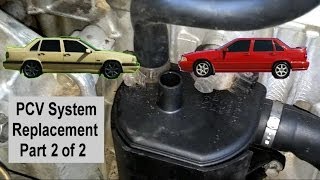
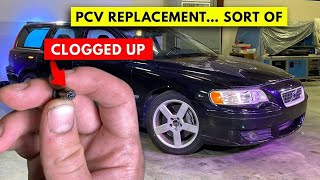
🎬 Watch: A full walkthrough of the PCV replacement process.Replacement Cost
The cost can vary significantly based on the parts you choose and whether you do the work yourself.
| Part/Service | Estimated Cost |
|---|---|
| Aftermarket PCV Kit | $70 - $260 |
| Genuine Volvo PCV Kit | $200 - $400+ |
| Shop Labor | $360 - $720 |
| Total Professional Job | $430 - $1,120+ |
Frequently Asked Questions
Can I just replace the one hose that broke?
It's not recommended. If one hose has become brittle and failed, the others are likely in the same condition. The main breather box is also prone to clogging. Since you must remove the intake manifold to access the system, it is far more efficient to replace everything at once with a complete kit.
What causes the PCV system to clog?
Several factors contribute to sludge buildup, including taking many short trips where the engine doesn't fully warm up, using the wrong type of oil, or extending oil change intervals.
How often should the PCV system be replaced?
There is no set mileage interval. It depends heavily on driving habits. A good practice is to perform the "glove test" at every oil change, especially on vehicles with over 100,000 miles. Replace the system as soon as it shows signs of clogging.
Are there any recalls for the V70 PCV system?
No, there are no specific safety recalls for the PCV system on 1998-2007 Volvo V70 models. It is considered a standard maintenance and wear item.
Helpful Videos

Technical Specifications
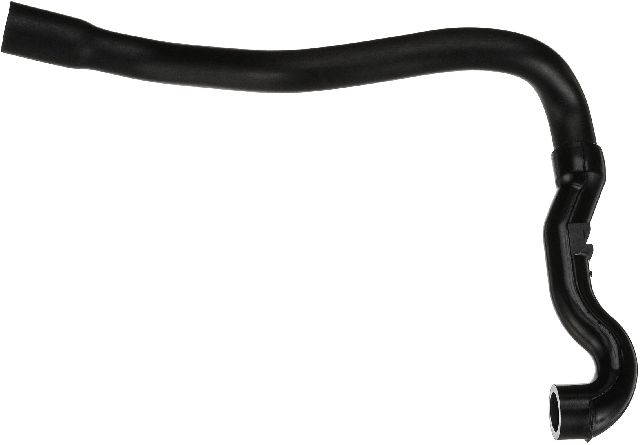
OEM Part Numbers: 1271988 8692211 31338023 31338024 31319991 1270480
System consists of an oil separator box (flame trap), multiple plastic and rubber hoses, hose clamps, and requires an intake manifold gasket for replacement.
We Have This Part in Stock

The information in this article is provided for general reference and educational purposes only. Vehicle specifications, procedures, and part compatibility can vary by production date, trim level, and region. Always consult your vehicle's factory service manual and verify part numbers before purchasing or performing repairs. Safety-critical components such as airbags, seat belts, and braking systems should be installed by a qualified professional.
- Volvo V70: