

Volvo V70 Intercooler Hose Failures and Replacement Guide (1998-2007)
Losing boost, hearing a hiss, or seeing black smoke? Your V70's intercooler hose is a likely suspect.
- A leaking intercooler hose is a very common issue on 1998-2007 V70s, causing power loss, hissing noises, and a P0299 code.
- The original rubber hoses get soft and brittle with age; upgrading to multi-ply silicone hoses is a popular and durable solution.
- Replacement is a simple DIY job for most hoses, typically requiring only basic hand tools to access the clamps.
- Always confirm the correct hose for your specific year and engine model (e.g., T5, 2.4T) before ordering, as they can differ.
Symptoms of a Failing Intercooler Hose
As the rubber and plastic components on your V70 age, they become brittle, soft, or oil-soaked, especially the intercooler hoses. A split, crack, or even a loose connection can cause a boost leak. Here are the common signs that you have a problem:
- Loss of Power: The car will feel sluggish and slow to accelerate. This is the most common symptom of a boost leak.
- Hissing or Whistling Noises: You may hear a distinct hiss from the engine bay when you accelerate. This is the sound of pressurized air escaping the hose.
- Black Smoke from Exhaust: With less air getting to the engine, the air-fuel mixture becomes too rich. This unburnt fuel exits as black smoke, particularly under hard acceleration.
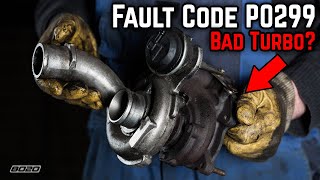
- Check Engine Light: A significant leak will often trigger a Check Engine Light. A common code is P0299 (Turbocharger/Supercharger Underboost Condition), which means the turbo system isn't making the pressure it should.
- Poor Fuel Economy: Your engine has to work harder to compensate for the lost pressure, causing it to burn more fuel.
- Hose Collapse: In some cases, an old, weak hose can collapse under vacuum when you let off the throttle, causing inconsistent performance.
Known Issues & TSBs
No specific recalls or Technical Service Bulletins (TSBs) were found for intercooler hoses on the 1998-2007 Volvo V70 in the North American market. However, failures of the original rubber hoses due to age, heat, and oil exposure are widely documented by owners. Some owners also report issues with the plastic "over the engine" pipe cracking, which can cause similar vacuum leak symptoms.
Choosing the Right Aftermarket Intercooler Hose
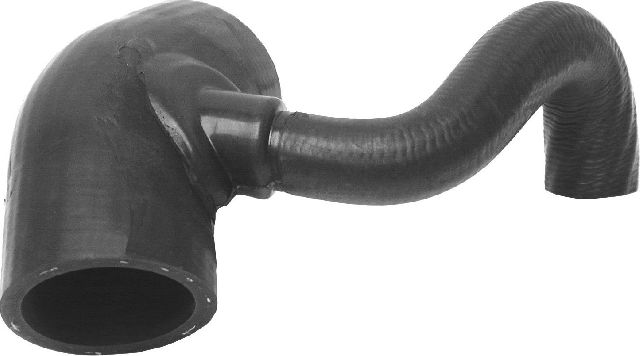
The 1998-2007 V70 range covers two generations (P80 and P2), and different engine types (2.4T, T5, R) may use different hoses. Always verify the correct part for your specific vehicle by checking the part number or visually comparing the old hose to the new one.
When it comes to aftermarket options, quality can vary. Here’s a general breakdown of available brands:
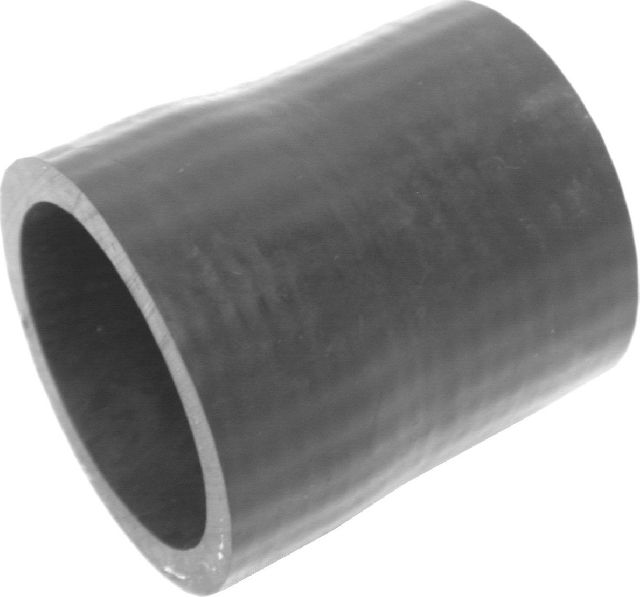
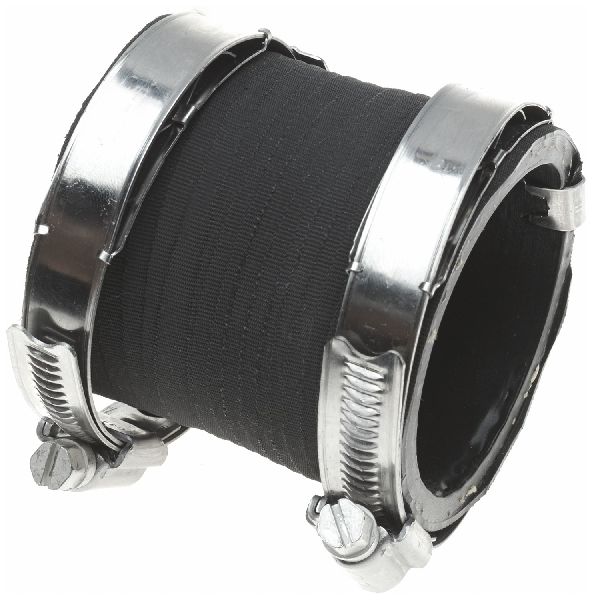
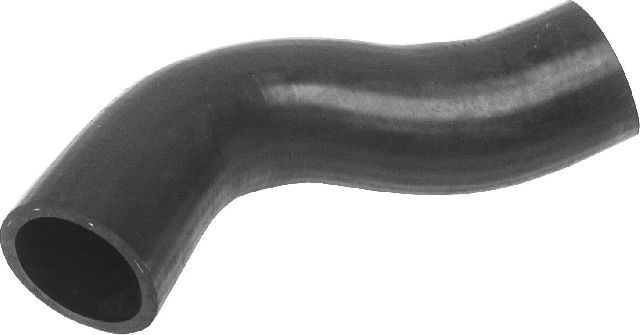
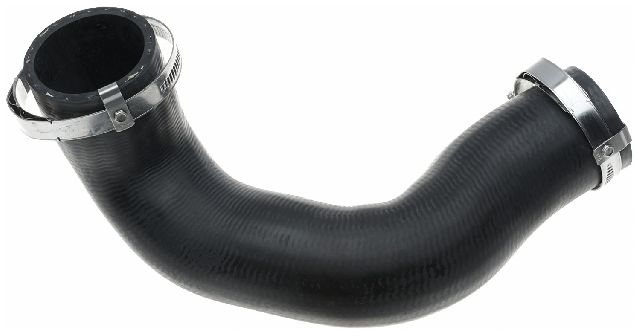
- Good (Better than OEM Rubber): Brands like Gates are well-known for quality rubber products. Upgrading to multi-ply silicone hoses from brands like do88 or Venair is also a popular choice for better durability against heat and pressure. Silicone hoses are less likely to crack or balloon under boost compared to the original single-ply rubber hoses.
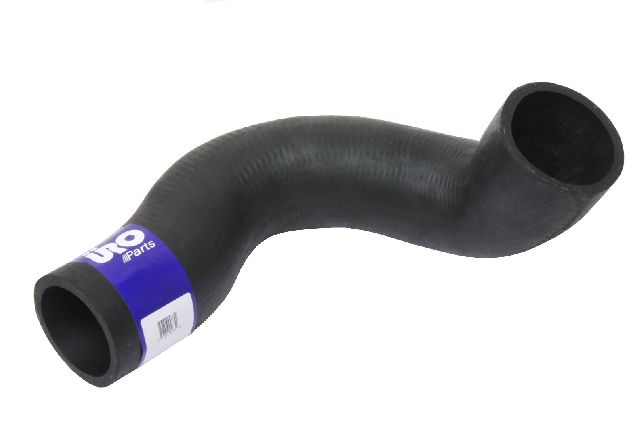
- Economy (Budget-Friendly): Brands like URO Parts and Vaico offer a lower-cost alternative. While functional, some Volvo owners have reported mixed experiences with the fit and long-term durability of URO parts in particular. These can be a viable option if budget is the primary concern, but they may not last as long as higher-quality silicone or premium rubber alternatives.
Pro Tip: Upgrade to Silicone
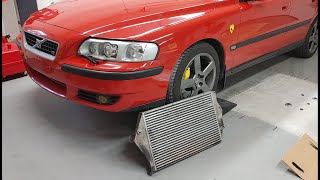
🎬 Watch: Step-by-step guide for a performance intercooler and hose install.For long-term reliability, many owners recommend upgrading from standard rubber to multi-ply silicone hoses. They handle higher temperatures and pressures better than the original parts and are more resistant to oil and ozone degradation. While the initial cost might be higher, they often outlast several sets of standard rubber hoses.
Cost of Replacing a Volvo V70 Intercooler Hose
The cost can vary depending on which hose needs replacement and the brand you choose. Below are typical price ranges.
| Part Type | Estimated Cost |
|---|---|
| New Aftermarket (Rubber/Silicone) | $23 - $84 |
| New OEM (Dealer) | $70 - $150+ |
| Shop Labor | $100 - $200 |
Frequently Asked Questions (FAQ)
Can I drive with a leaking intercooler hose?
You can, but it's not recommended for long. You will have poor engine performance, bad fuel economy, and the car may go into a reduced-power "limp mode". Driving with a major leak can also force the turbo to work harder, potentially causing more expensive damage over time.
How do I find the leak?
Sometimes a split in a hose is large and easy to see. You can also check for oily residue around a crack, as some oil vapor from the PCV system is normal in the intake tract. For smaller leaks, you can spray soapy water on the hoses and connections while the engine is running and look for bubbles. Having a helper rev the engine can make leaks easier to spot.
Is replacing an intercooler hose a DIY job?
Yes, for most of the hoses, this is a straightforward DIY job. Access usually just requires basic hand tools like a screwdriver or socket set to loosen the hose clamps. Some hoses may be in tight spots, but the replacement is generally considered easy.
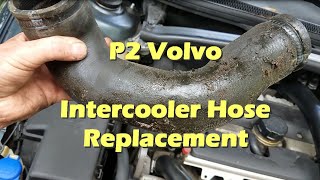
🎬 See this walkthrough for replacing a P2 intercooler hose.Why is there oil in my intercooler hoses?
A light film of oil inside the intercooler and hoses is normal for these cars. It comes from the crankcase ventilation (PCV) system, which routes oil vapor back into the engine's intake. However, excessive oil could indicate a failing PCV system or other engine issues that should be investigated.
Helpful Videos
Technical Specifications
OEM Part Numbers: 30794888 31261371 9161092 8638967 30647918
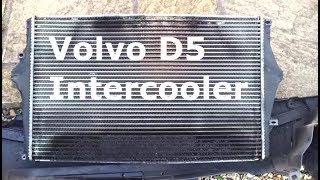
The 1998-2007 Volvo V70 was produced in two generations: the P80 (1998-2000) and the P2 (2001-2007). Intercooler hoses vary significantly between these platforms and the different turbocharged engines offered (e.g., 2.4T, T5, R). Hoses are typically made of reinforced rubber or silicone. The system includes multiple hoses, such as upper and lower hoses connecting to the intercooler end tanks and pipes routing over or under the engine.
We Have This Part in Stock

The information in this article is provided for general reference and educational purposes only. Vehicle specifications, procedures, and part compatibility can vary by production date, trim level, and region. Always consult your vehicle's factory service manual and verify part numbers before purchasing or performing repairs. Safety-critical components such as airbags, seat belts, and braking systems should be installed by a qualified professional.
- Volvo V70: