

Choosing the Best Replacement Front Brake Pads for Your 1998-2008 Chevrolet Tracker
Stop the noise and restore your Tracker's braking performance with the right set of new aftermarket brake pads.
- For most daily driving, a quality ceramic pad set from brands like Bosch, Wagner, or Centric offers the best balance of quiet operation, low dust, and durability.
- Always replace front brake rotors at the same time as the pads to ensure safe, quiet, and effective braking performance.
- A grinding noise is a critical safety warning. Stop driving immediately and have your brakes serviced to prevent brake failure.
- The 1998-2008 Tracker is a rebadged Suzuki Vitara/Grand Vitara, so searching for parts for both models can give you more options.
Symptoms of Worn Brake Pads on a Chevrolet Tracker
Your Tracker will give you clear warning signs when its front brake pads are wearing thin. Paying attention to these symptoms can save you from more expensive repairs down the road.
- Squealing or Screeching Noises: The most common first sign is a high-pitched squeal when you apply the brakes. This sound comes from a small metal tab called a wear indicator, which is designed to contact the brake rotor when the pad material is low.
- Grinding Sounds: A loud, harsh grinding or growling noise means the brake pads are completely worn out. This is a critical warning. It means the metal backing plate of the pad is grinding against the metal rotor, which can quickly cause severe damage and a dangerous loss of braking power.
- Vibration or Pulsation in Brake Pedal: If you feel a pulsing or shaking in the brake pedal or steering wheel when you brake, it often points to warped brake rotors. Rotors can warp from the excessive heat caused by severely worn pads.
- Vehicle Pulling to One Side: If your Tracker pulls to the left or right when you brake, it could mean the brake pads are worn unevenly or a brake caliper is sticking.
- Longer Stopping Distances: If you notice it's taking longer to stop your vehicle, your brake pads may be too worn to create the necessary friction.
Grinding is a Critical Warning
If you hear a grinding noise, your braking system's safety is severely compromised. You should stop driving the vehicle as soon as it is safe to do so and have the brakes inspected immediately to avoid potential brake failure and costly rotor damage.
Choosing the Right Aftermarket Brake Pads
Since the 1998-2008 Chevrolet Tracker is mechanically identical to the Suzuki Vitara and Grand Vitara, you have a wide selection of quality aftermarket parts. Aftermarket pads often meet or exceed the quality of the original factory parts for a lower price. They are generally categorized by material (Ceramic vs. Semi-Metallic) and performance tier.
Ceramic vs. Semi-Metallic Pads
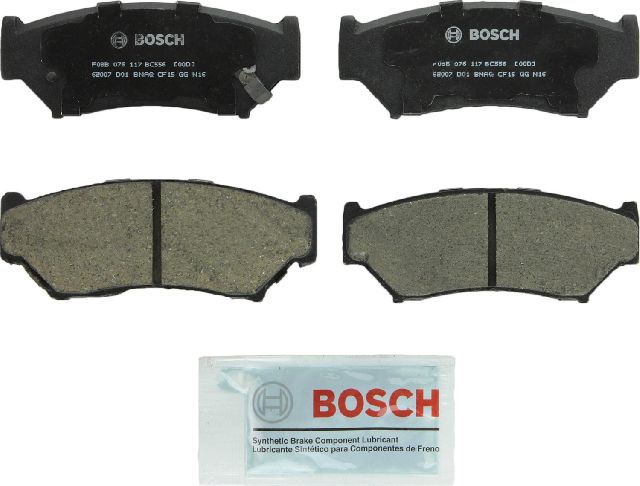
- Ceramic Pads: For most Tracker owners, ceramic pads are the best all-around choice for daily driving. They are known for being very quiet, producing a fine, light-colored dust that doesn't stick to wheels, and offering a long service life. Brands like Bosch QuietCast and Centric Posi-Quiet specialize in this.
- Semi-Metallic Pads: These pads contain steel fibers and offer better bite, especially in very cold weather. They can handle higher temperatures, making them suitable for heavier use, but they tend to be noisier, produce more dark-colored dust, and can wear brake rotors faster than ceramic pads.
Brand Tiers for Your Tracker
Your choice depends on your budget and how you use your SUV. You can't go wrong with a reputable brand, but they generally fall into these categories:
- Daily Driver / OEM-Equivalent: This is the best choice for typical commuting and everyday use. These brands focus on quiet, reliable stopping with low dust. They provide a great balance of performance and value.
- Bosch QuietCast: A popular choice known for quiet operation and low dust.
- Wagner OEX / ThermoQuiet: Often considered a great compromise between performance and durability, with features designed to reduce noise.
- Centric Posi-Quiet: Well-regarded for being quiet, low-dust, and using advanced molding technology for even wear.
- Raybestos Element3: A strong contender offering good performance, though some users report shorter pad life with their more aggressive hybrid pads.
- Performance / Heavy-Duty: If you tow with your Tracker, live in a mountainous area, or just want a more aggressive brake feel, these brands are worth the extra cost. They are designed for better heat dissipation and stronger stopping power.
- PowerStop: Known for affordable performance kits (often including drilled and slotted rotors) that provide a noticeable upgrade in stopping power over stock pads.
- EBC Brakes: A UK-based brand with a strong performance reputation. Their 'Greenstuff' pads are a good step up for street use, while their 'Yellowstuff' pads offer even more aggressive performance.
Pro Tip: Replace Rotors with Pads
For the best and safest results, you should always replace your front brake rotors at the same time as your brake pads. Installing new pads on old, worn, or warped rotors can cause noise, vibration, and reduced stopping power, and will wear out your new pads much faster.
Estimated Costs for Front Brake Pad Replacement
| Item | Estimated Cost |
|---|---|
| Aftermarket Front Pad Set | $23 - $68 [Inventory] |
| OEM Front Pad Set (GM Part #91174817) | $60 - $110 |
| Shop Labor for Front Pad Replacement | $156 - $228 |
| Total Professional Replacement | $365 - $438 (including parts and labor) |
Frequently Asked Questions (FAQ)
Is it hard to replace the front brake pads on a Chevrolet Tracker?
Replacing the front brake pads and rotors is a common DIY job for those with some mechanical experience and the right tools. It typically involves raising the vehicle, removing the wheel, unbolting the brake caliper, and swapping the old parts for new ones. However, brakes are a critical safety system. If you are not 100% confident, it is always best to have the work done by a qualified mechanic.
Do I need special tools to change my brake pads?
You will need a basic socket set, a jack and jack stands, a lug wrench, and a C-clamp or brake caliper piston tool to push the caliper piston back into its housing. A torque wrench is also highly recommended to tighten the caliper and wheel lug nuts to the correct specification.
Are the front and rear brake pads the same?
No. The 1998-2008 Chevrolet Tracker has disc brakes in the front and, for most models, drum brakes in the rear. Drum brakes use 'brake shoes,' which are different from pads. Even on models with four-wheel disc brakes, the front and rear pads are different sizes and are not interchangeable.
Why are my new brakes squeaking?
New brakes can sometimes squeak during the 'bed-in' period as the pad surface mates with the new rotor. This usually goes away. Persistent squeaking can be caused by vibrations between the pad and caliper. This can often be prevented or fixed by applying a small amount of high-temperature brake grease to the back of the brake pads and on the caliper hardware where the pads slide. Some owners of the Tracker and its Suzuki counterpart have noted a tendency for brake squeal, making proper lubrication during installation very important.
Technical Specifications
OEM Part Numbers: 91174817
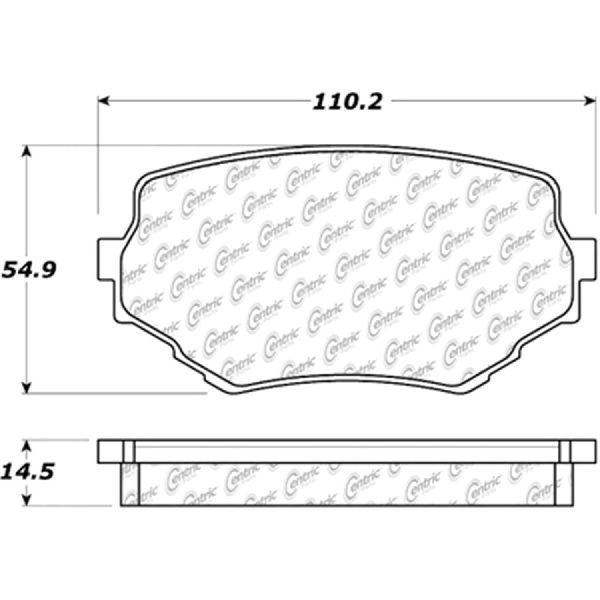
The Chevrolet Tracker in this generation uses disc brakes for the front wheels and, on most models, drum brakes for the rear wheels. The OEM front brake pad part number for 1999-2004 models is 91174817. Aftermarket pads are widely available in both ceramic and semi-metallic friction materials.
We Have This Part in Stock
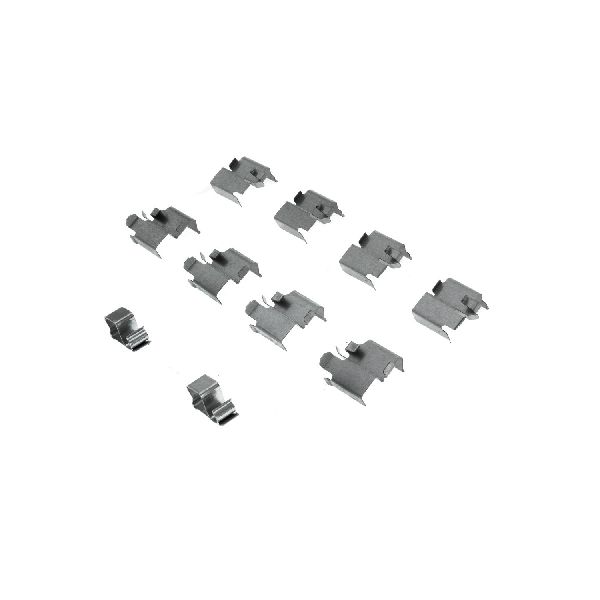
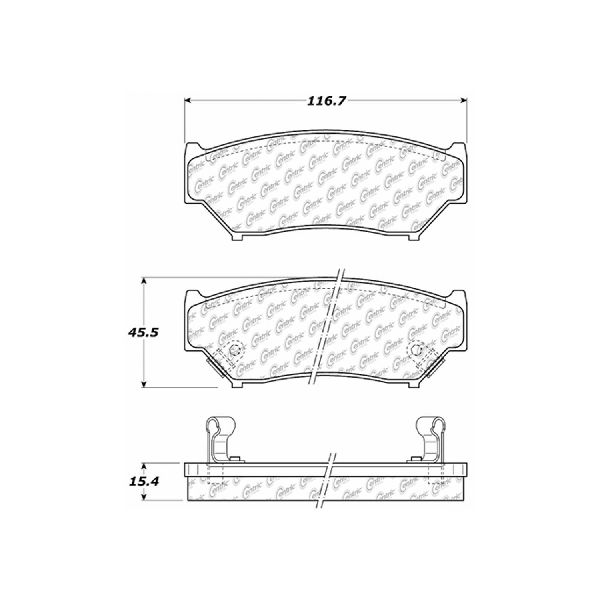

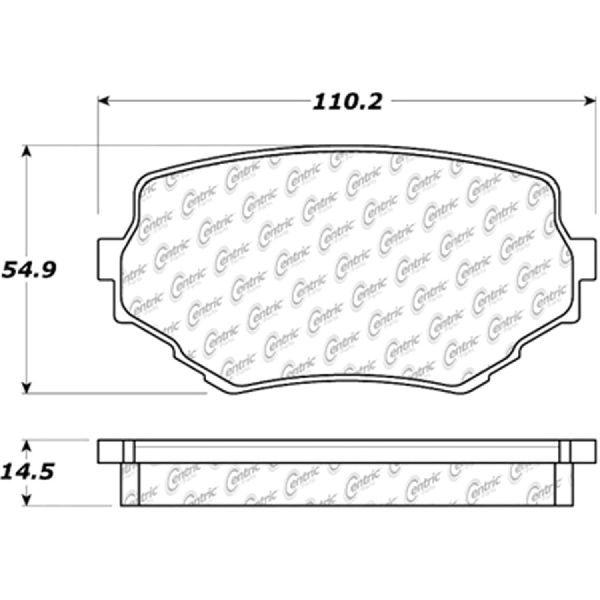

The information in this article is provided for general reference and educational purposes only. Vehicle specifications, procedures, and part compatibility can vary by production date, trim level, and region. Always consult your vehicle's factory service manual and verify part numbers before purchasing or performing repairs. Safety-critical components such as airbags, seat belts, and braking systems should be installed by a qualified professional.
- Chevrolet Tracker:
- 🛍️ Shop This Part
- Symptoms of Worn Brake Pads on a Chevrolet Tracker
- Grinding is a Critical Warning
- Choosing the Right Aftermarket Brake Pads
- Ceramic vs. Semi-Metallic Pads
- Brand Tiers for Your Tracker
- Pro Tip: Replace Rotors with Pads
- Estimated Costs for Front Brake Pad Replacement
- Frequently Asked Questions (FAQ)
- 🎟️ Get 5% Off