

Chevrolet Tracker Drum Brake Hardware Kit: A Complete Replacement Guide for 1998-2008
Don't let worn-out springs and clips compromise your Tracker's stopping power; here's what you need to know before you buy.
- Always replace the drum brake hardware kit when replacing brake shoes to ensure safety and performance.
- Symptoms of failure include scraping noises, a weak parking brake, and a spongy brake pedal.
- Be prepared for a difficult installation; removing the rear drums on a Tracker can be challenging, and special tools are recommended.
- Check if your aftermarket kit includes self-adjuster parts, as these are a common point of failure and may need to be sourced separately or reused.
Why Your Tracker's Brake Hardware Matters
When you press the brake pedal, the springs in your Chevrolet Tracker's rear drum brakes stretch, and when you let go, they contract. Over tens of thousands of cycles, these springs lose their tension and can no longer pull the brake shoes back effectively. Clips and pins can corrode and break, especially on a vehicle that has seen many winters or off-road use. Failing to replace this hardware during a brake job is a common mistake. It can lead to noise, premature wear on your new brake shoes, and unsafe braking performance. Industry experts agree that whenever you replace brake shoes, you should also install a new hardware kit to restore the system to like-new condition.
Symptoms of Failing Drum Brake Hardware
Worn brake hardware can cause several noticeable problems. Being able to spot them early can save you from more costly repairs.
- Scraping or Rattling Noises: A common sign is hearing scraping, grinding, or rattling from the rear wheels, especially when the brakes are not applied. This can happen if a broken spring allows a brake shoe to drag against the drum.
- Weak Parking Brake: If your parking brake handle pulls up much higher than it used to or fails to hold the vehicle securely on a hill, it can be a sign that the self-adjusting mechanism and hardware are not working correctly.
- Spongy or Low Brake Pedal: Worn springs can fail to adjust the shoes properly, creating excessive clearance between the shoe and the drum. This can make the brake pedal feel soft or travel further to the floor before the brakes engage.
- Brake Drag or Pulling: Corroded or weak hardware can cause brake shoes to bind or not retract fully, leading to brake drag. This can cause the vehicle to pull to one side and result in poor fuel economy.
Pro Tip: Check for Suzuki Vitara Parts
The 1998-2008 Chevrolet Tracker shares its platform with the Suzuki Vitara and Grand Vitara. If you have trouble finding a specific part for your Tracker, searching for the equivalent Suzuki model year may provide more options. Always verify fitment, as some brake components can differ between the makes.
Choosing the Right Aftermarket Hardware Kit
For a vehicle like the 1998-2008 Tracker, OEM parts from a dealer are often unavailable or prohibitively expensive. The aftermarket is your best bet, offering quality parts that meet or exceed original specifications. The available brands like Carlson, Centric, Dorman, Dynamic Friction, and Raybestos are all established names in the brake industry.
- Good (Standard Replacement): Brands like Dorman, Carlson, and standard-grade Centric or Raybestos kits are widely available and offer reliable performance for daily driving. They provide all the necessary springs and clips for a typical brake shoe replacement.
- Better (Professional Grade): Professional-grade lines from Raybestos and Centric, along with brands like Dynamic Friction, may offer improved materials. For example, some kits might use stainless steel components instead of standard zinc-plated steel for better corrosion resistance.
Important: Check Your Kit's Contents
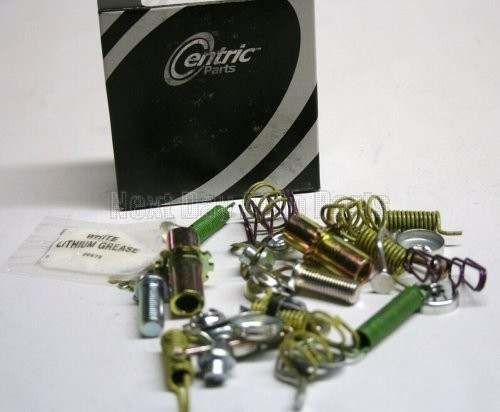
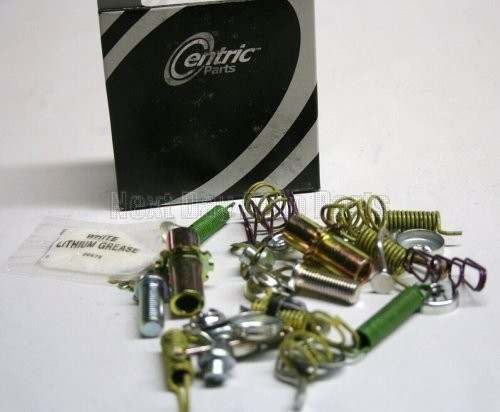
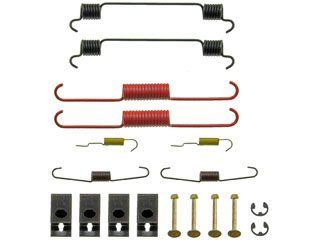
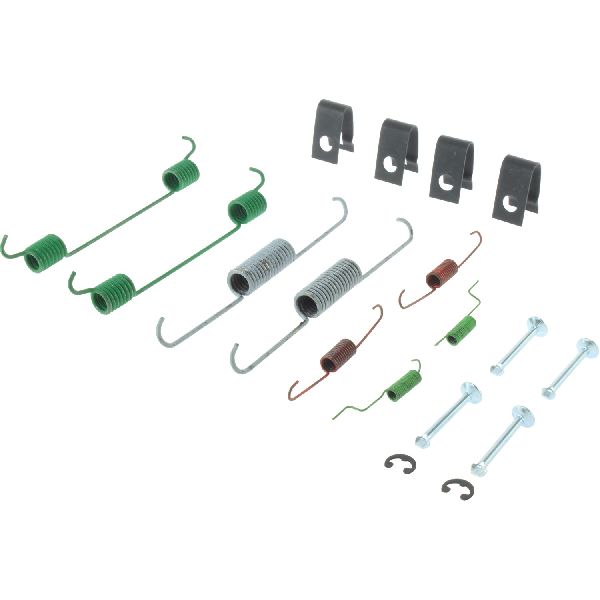
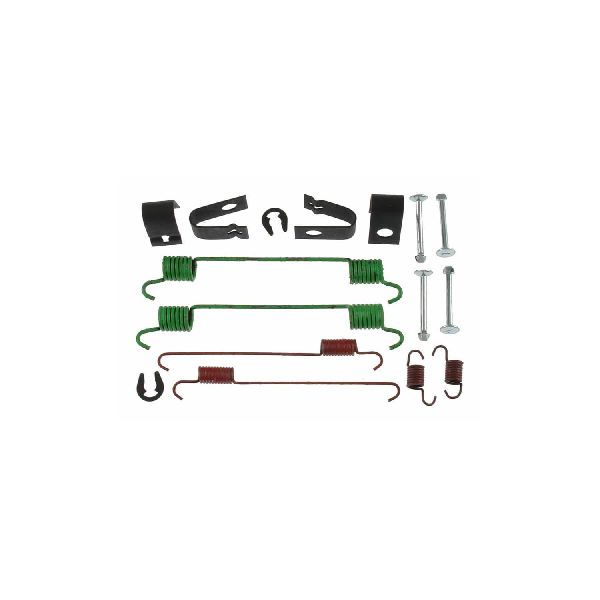
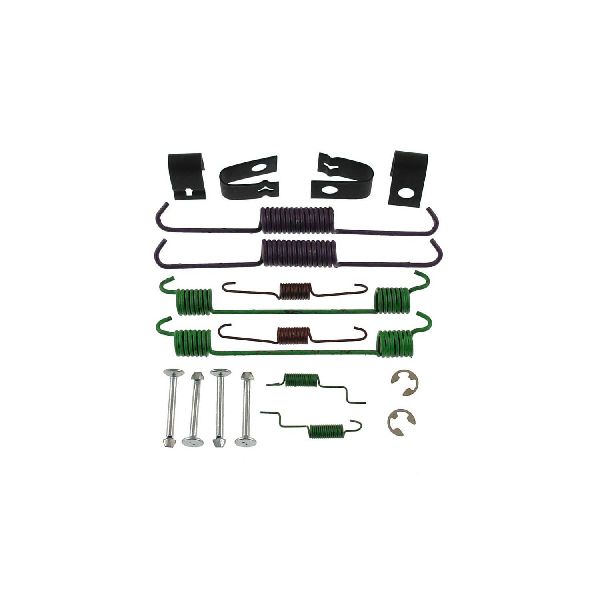
A standard drum brake hardware kit contains springs and hold-down pins. However, some critical components like the self-adjuster assembly, parking brake lever, and strut are often sold separately or are not available in the aftermarket at all. Some Tracker owners have reported having to clean and reuse their original adjusters and levers because new ones were not in the kit. Before starting the job, inspect your original parts. If they are heavily corroded or damaged, you may need to source them from a specialty supplier or a salvage yard.
Installation and Known Issues
Replacing drum brake hardware can be challenging due to the number of springs under tension. It requires patience and special tools like brake spring pliers and a hold-down spring tool to do the job safely and correctly.
A specific issue noted by 1998-2008 Tracker owners is the difficulty of removing the rear brake drum. The drum can develop a rust lip on its edge, which catches on the brake shoes. Unlike many vehicles, the Tracker's backing plate may not have an access slot to manually retract the shoes with a brake spoon. This can make drum removal a difficult task, sometimes requiring significant force that may damage the old shoes in the process.
| Part Type | Estimated Cost |
|---|---|
| New Aftermarket Hardware Kit | $20.45 - $36.86 |
| New OEM Hardware Kit | $70 - $150+ (If available) |
| Shop Labor (Hardware & Shoes) | $150 - $300 |
Frequently Asked Questions (FAQ)
Do I really need to replace the hardware with the shoes?
Yes. The old springs have been heat-cycled thousands of times and have lost their original tension. Reusing them can lead to noise, dragging brakes, and uneven wear on your new shoes, defeating the purpose of the brake job. For the low cost of a kit, it is critical to replace them.
What special tools are needed for this job?
While it can be done with standard pliers and screwdrivers, a set of drum brake tools makes the job much easier and safer. This typically includes a brake spring plier for removing and installing the tough return springs and a hold-down spring tool.
What is the difference between a hardware kit and a self-adjuster kit?
A standard hardware kit contains the return springs, hold-down springs, and clips. A self-adjuster kit is sold separately and contains the threaded adjuster, pivot nut, and lever that automatically compensates for shoe wear. Some owners have found these adjuster parts hard to find for the Tracker and have had to reuse the originals.
Is there a recall on the 1998-2008 Tracker brakes?
There are no specific recalls for the drum brake hardware itself. However, a recall (NHTSA #99V273002) was issued for some 1998-1999 models for an inoperative brake lamp switch. This switch failure could cause the brake lights not to work and, on automatic models, prevent the shifter from moving out of 'Park'.
Technical Specifications
Kits are specific to vehicle year and whether it is a 2-door or 4-door model. Always verify fitment before purchasing. The Chevrolet Tracker is mechanically similar to the Suzuki Vitara/Grand Vitara, and some parts may be interchangeable.
We Have This Part in Stock

The information in this article is provided for general reference and educational purposes only. Vehicle specifications, procedures, and part compatibility can vary by production date, trim level, and region. Always consult your vehicle's factory service manual and verify part numbers before purchasing or performing repairs. Safety-critical components such as airbags, seat belts, and braking systems should be installed by a qualified professional.
- Chevrolet Tracker: