

Dodge Durango 1998-2008 Engine Coolant Temperature Sensor Guide
Understanding the common failures and replacement options for your Durango's coolant temperature sensor.
- A failing ECT sensor can cause a check engine light, poor fuel economy, overheating, and black smoke.
- Replacement is a simple DIY task for most owners and can be done in under 30 minutes with basic tools.
- For this part, quality aftermarket brands like Delphi or NGK offer a reliable alternative to the more expensive OEM Mopar part.
- Common trouble codes associated with this failure include P0117 (circuit low) and P0118 (circuit high).
Is Your Durango's Coolant Temp Sensor Failing?
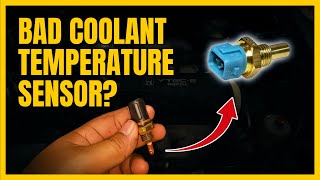
A bad Engine Coolant Temperature (ECT) sensor can cause a surprising number of problems. Because it sends incorrect information to your Durango's computer, you might notice issues that don't seem related to engine temperature at first. Ignoring these signs can lead to poor performance, bad fuel economy, and potentially serious engine damage from overheating.
Key Symptoms of a Bad ECT Sensor:
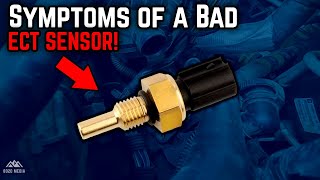
🎬 Watch this breakdown of common symptoms you shouldn't ignore.- Check Engine Light: This is often the first sign. The computer detects a signal from the sensor that is out of the normal range and triggers a fault code.
- Poor Fuel Economy: If the sensor wrongly tells the computer the engine is cold, the computer will enrich the fuel mixture, causing the engine to use more gas than needed.
- Engine Overheating: A faulty sensor might fail to trigger the electric cooling fans when the engine gets hot, leading to overheating, especially in stop-and-go traffic.
- Black Smoke from Exhaust: An overly rich fuel mixture from a bad sensor signal can result in unburnt fuel burning in the exhaust, creating black smoke.
- Rough Idling or Hard Starts: The wrong temperature reading can throw off the air-fuel mixture and ignition timing, making the engine run rough or difficult to start, especially when warm.
- Erratic Temperature Gauge: The gauge on your dashboard may show the engine is running cold when it's not, or it might jump around randomly.
Known Issues & Recalls
Searches for the 1998-2008 Dodge Durango did not reveal any specific recalls or Technical Service Bulletins (TSBs) directly related to the engine coolant temperature sensor itself. However, always check for vehicle-specific recalls using your VIN, as other cooling system or electrical issues could present similar symptoms.
Choosing the Right Aftermarket Sensor
For a part like the ECT sensor, you don't always need to pay for the Mopar OEM part to get good quality. Many aftermarket brands provide excellent reliability and value. Here's a general breakdown:
- OEM-Quality Tier (e.g., Delphi, NGK/NTK, Standard Motor Products): These brands often manufacture parts for the original automaker. They are known for their reliability and precise fit, offering performance similar to the original Mopar part without the higher price tag. Delphi, in particular, has a long history as an OE supplier.
- Quality Aftermarket Tier (e.g., Beck Arnley, Walker Products, Holstein): These are reputable brands that focus on the aftermarket. They provide a solid balance of quality and price and are a popular choice for DIY repairs.
- Value Tier (e.g., Dorman, Four Seasons, True Tech): These brands offer a more budget-friendly option. While they can be a good choice for a quick fix, some forum discussions suggest that for critical sensors, sticking with OEM or OEM-quality brands can prevent future headaches.
Pro Tip: When replacing the sensor, it's a good idea to check the electrical connector for corrosion or damage. Sometimes the problem is a bad connection, not the sensor itself. Many new sensors come with thread sealant already applied; if not, be sure to use Teflon sealing tape to prevent leaks.
| Component | Estimated Cost |
|---|---|
| New Aftermarket ECT Sensor | $7 - $118 |
| New OEM (Mopar) ECT Sensor | $45 - $110 |
| Shop Labor for Installation | $84 - $124 |
Frequently Asked Questions
Where is the ECT sensor located on a 1998-2008 Durango?
The location varies by engine. For the 3.7L V6 and 4.7L V8, the sensor is typically at the front of the intake manifold, between the alternator and A/C compressor. For the 5.2L and 5.9L V8 engines, it's usually located on the intake manifold near the thermostat housing. Always confirm the location for your specific engine 🎬 See a step-by-step guide to replacing the sensor yourself. before starting.
Can I replace the coolant temperature sensor myself?
Yes, this is a very DIY-friendly job for most home mechanics. It usually involves unplugging the electrical connector, unscrewing the old sensor with a deep socket, and quickly screwing the new one in. Be prepared for a small amount of coolant to spill out. The job can typically be done in under 30 minutes on a cool engine.
🎬 Follow this video tutorial for a quick and easy installation.How many coolant sensors does my Durango have?
Most 1998-2008 Durango models have one primary Engine Coolant Temperature (ECT) sensor that sends information to the engine computer. Some vehicles have a second sensor or a "sender" that operates the temperature gauge on the dashboard, but for this generation, the single ECT sensor usually handles both functions.
What happens if I don't replace a bad ECT sensor?
Driving with a bad sensor can lead to several issues. You'll likely experience poor fuel economy and rough engine performance. The most serious risk is engine overheating if the sensor fails to activate the cooling fans, which can cause severe and expensive engine damage like a warped cylinder head.
Helpful Videos
Technical Specifications
OEM Part Numbers: 5149077AB 56004815 5269870AB
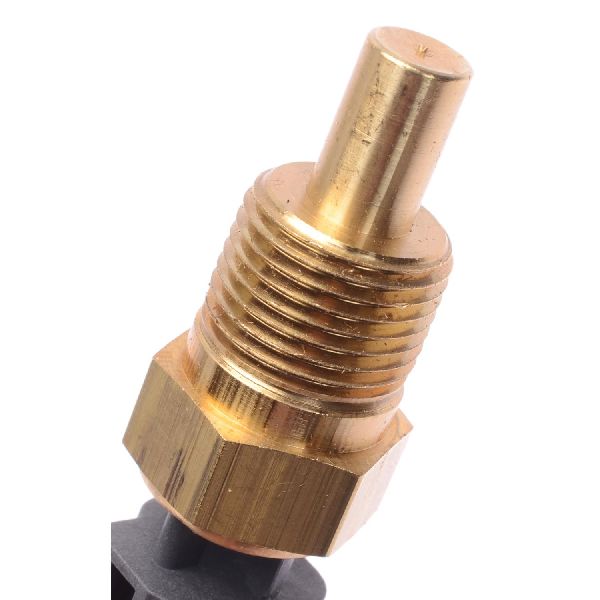
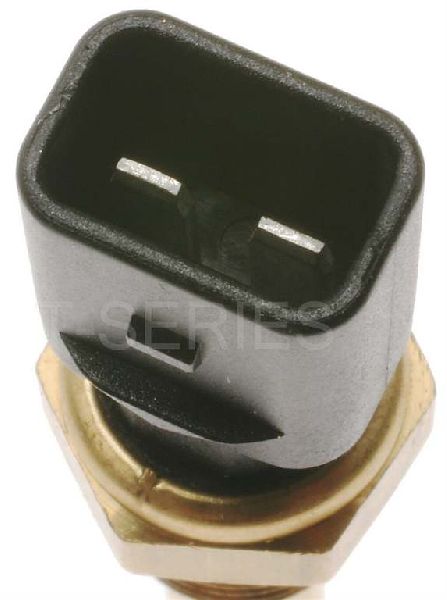
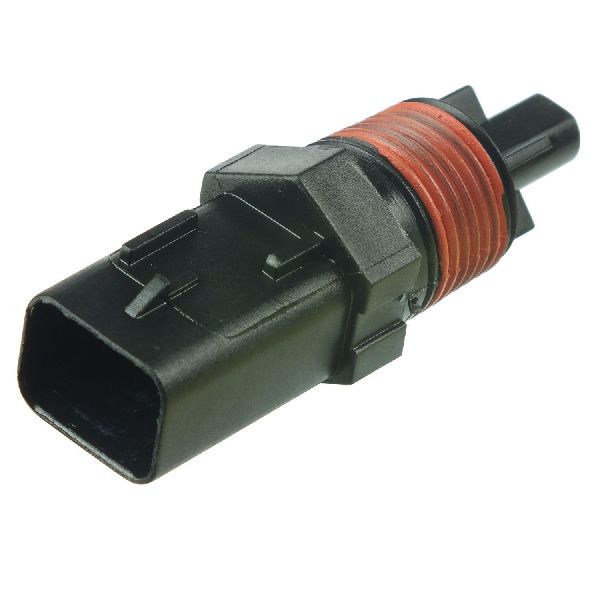
The sensor is a two-terminal thermistor that changes resistance based on coolant temperature. It operates on a 5-volt reference signal from the powertrain control module (PCM).
We Have This Part in Stock


The information in this article is provided for general reference and educational purposes only. Vehicle specifications, procedures, and part compatibility can vary by production date, trim level, and region. Always consult your vehicle's factory service manual and verify part numbers before purchasing or performing repairs. Safety-critical components such as airbags, seat belts, and braking systems should be installed by a qualified professional.
- Dodge Durango: