

A/C Receiver Drier Ultimate Guide for the 1998-2008 Subaru Forester
If your Forester's A/C isn't as cold as it used to be, the receiver drier could be the culprit.
- You MUST replace the receiver drier any time the A/C system is opened for service.
- Failure to replace the drier will void the warranty on a new A/C compressor.
- For the 1998-2008 Forester, Denso is the OEM-equivalent choice, while Four Seasons and GPD are reliable aftermarket options.
- The main symptom of a bad drier is poor A/C cooling performance.
Understanding Your Forester's A/C Receiver Drier
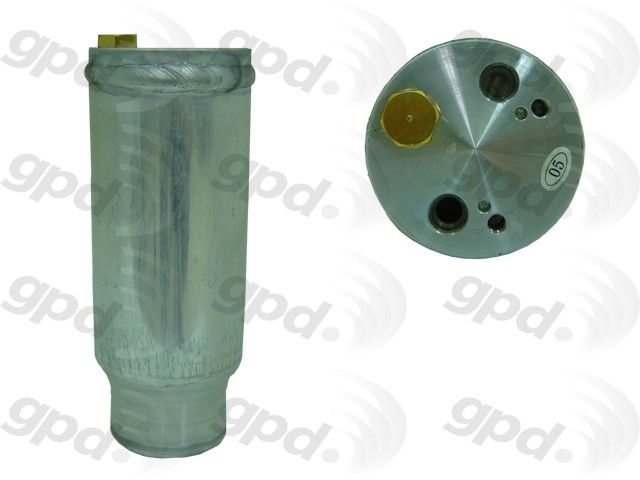
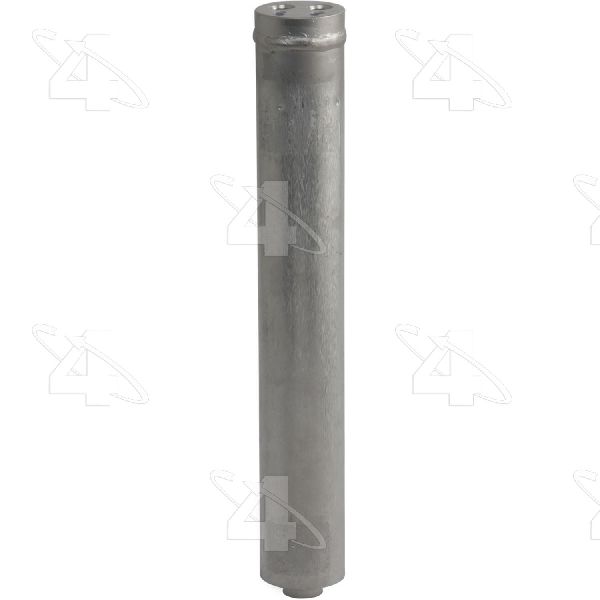
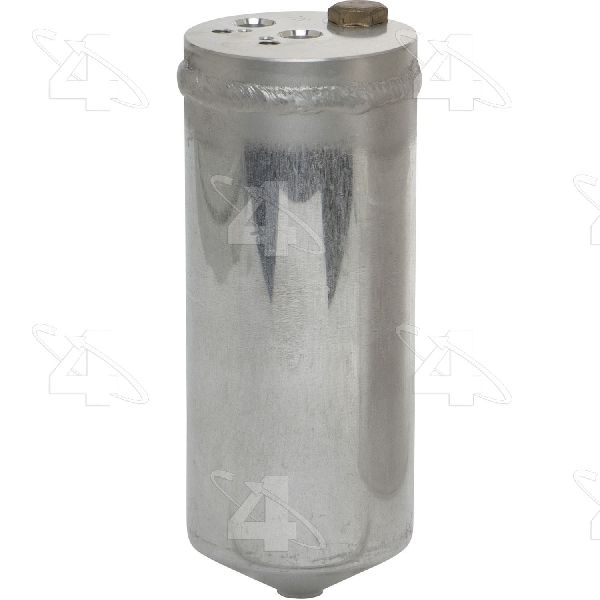
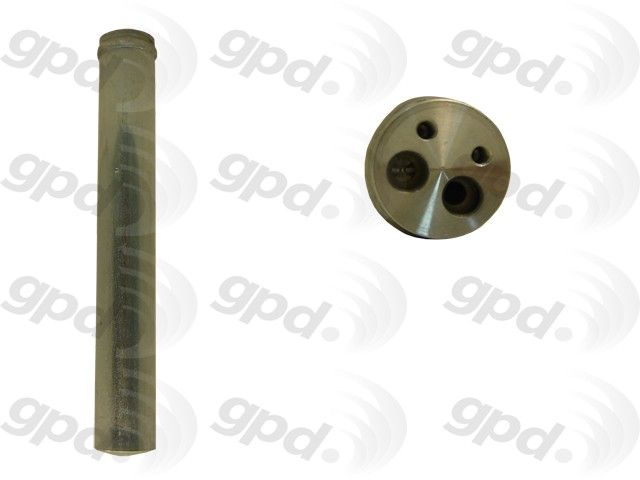
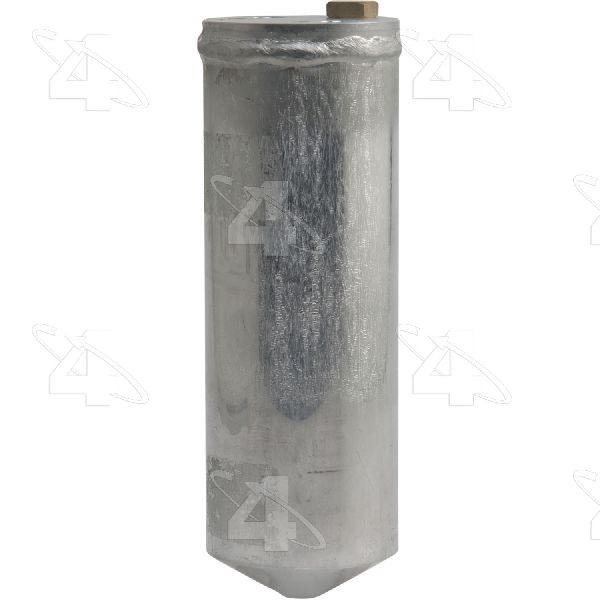
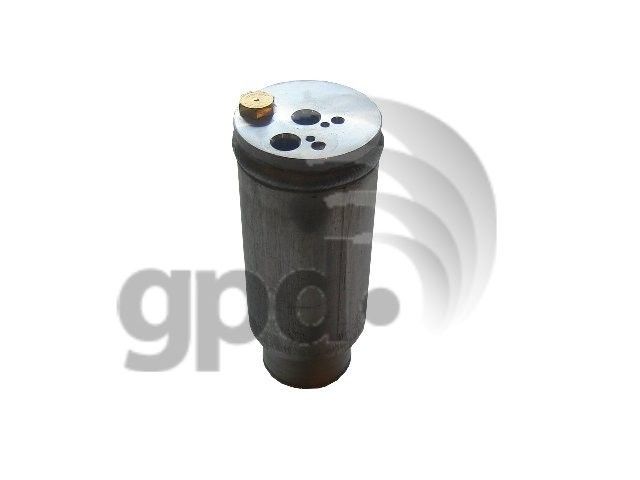
For the 1998-2008 Subaru Forester, covering both the first (SF) and second (SG) generations, the A/C receiver drier is a separate, serviceable component. This is good news for owners, as it's a relatively simple and inexpensive part to replace. On many newer vehicles, this part is integrated into the much more expensive condenser, but on these Foresters, it's a standalone canister located on the high-pressure side of the A/C loop in the engine bay.
Pro Tip: Always replace the receiver drier whenever you replace another major A/C component like the compressor or condenser. Most warranties for new compressors require a new drier to be installed at the same time. It's a small cost to protect a much larger investment.
Symptoms of a Failing A/C Receiver Drier
A bad receiver drier can cause several issues, but the most common is a gradual loss of cooling performance.
- Weak or No A/C Cooling: This is the number one symptom. A drier saturated with moisture or clogged with debris will restrict refrigerant flow, preventing your A/C from blowing cold.
- Rattling Noises: If the desiccant bag inside the drier breaks apart, you might hear a rattling sound from the engine bay when the A/C is on. These particles can then travel through the system and cause catastrophic damage.
- Musty or Moldy Smell: When the desiccant can no longer absorb moisture, it can lead to mold and mildew growth within the A/C system, causing a foul odor from the vents.
- Frost on A/C Lines: In cases of a severe clog, you might see frost or ice forming on the drier canister or connected A/C lines due to a rapid drop in pressure.
Choosing the Right Aftermarket Part
For your 1998-2008 Forester, you have several good aftermarket options. The quality generally aligns with the price.
Tier 1: OEM-Equivalent Quality
Denso: Denso is a well-respected manufacturer and is often the original equipment (OEM) supplier for Subaru and other Japanese automakers. Choosing a Denso aftermarket receiver drier is the closest you can get to buying a genuine Subaru part without the dealership price tag. It's the top choice for reliability and perfect fit.
Tier 2: Trusted Aftermarket Standard
Four Seasons: As one of the largest aftermarket A/C parts suppliers, Four Seasons (a brand of Standard Motor Products) offers a reliable, quality product that meets or exceeds original specifications. It's a solid, dependable choice for daily drivers and a go-to for many independent repair shops.
Tier 3: Value-Oriented Option
Global Parts Distributors (GPD): GPD provides a budget-friendly alternative that gets the job done. These parts are designed to be direct-fit replacements and are a good option if you're trying to keep repair costs to a minimum, especially on an older Forester.
Cost of Replacing the A/C Receiver Drier
| Item | Estimated Cost |
|---|---|
| New Aftermarket Part | $23 - $51 |
| Shop Labor (including A/C evacuation & recharge) | $150 - $250 |
| Total Estimated Cost (Aftermarket) | $173 - $301 |
Note: These prices are estimates. Labor rates and part costs can vary by location and supplier. The most significant cost is the labor for properly and legally recovering and recharging the refrigerant, which requires specialized equipment.
Frequently Asked Questions
Why must I replace the drier if I'm replacing my compressor?
The receiver drier's main job is to absorb moisture. The moment you open the A/C system, the desiccant inside is exposed to humidity in the air and becomes saturated almost instantly. Leaving the old drier in place means trapping that moisture in your newly repaired system, which will lead to corrosion and premature failure of your new compressor. It will also void the warranty on the new compressor.
Can I replace the A/C receiver drier myself?
Physically swapping the part is easy for a DIYer; it's typically held by one bolt and connected by two lines. However, it is illegal to release refrigerant into the atmosphere. The job requires the system to be professionally evacuated before you start and vacuum-tested and recharged after you're done. The best approach for a DIYer is to have a shop evacuate the system, drive home to replace the part yourself, and then immediately return to the shop to have it vacuumed and recharged.
Are there any recalls for the A/C on my 1998-2008 Forester?
No specific recalls or widespread technical service bulletins (TSBs) were found for the A/C receiver drier on the 1998-2008 Subaru Forester models. While there have been service campaigns for A/C condensers on much newer Foresters (2017-2018), the issues on the SF and SG generations are typically related to normal age and wear.
What's the difference between a receiver/drier and an accumulator?
They do similar jobs but are used in different types of A/C systems. Your Forester uses an expansion valve system, which requires a receiver/drier on the high-pressure side (between the condenser and expansion valve). Systems that use an orifice tube have an accumulator on the low-pressure side. The two parts are not interchangeable.
Technical Specifications
OEM Part Numbers: 73410FA001 73410AE05A 73410AA010
Always verify the correct part number for your specific vehicle year and model using the VIN. The 1998-2008 Forester uses a canister-style receiver drier, not an integrated condenser/drier unit.
We Have This Part in Stock

The information in this article is provided for general reference and educational purposes only. Vehicle specifications, procedures, and part compatibility can vary by production date, trim level, and region. Always consult your vehicle's factory service manual and verify part numbers before purchasing or performing repairs. Safety-critical components such as airbags, seat belts, and braking systems should be installed by a qualified professional.
- Subaru Forester:
- 🛍️ Shop This Part
- Understanding Your Forester's A/C Receiver Drier
- Symptoms of a Failing A/C Receiver Drier
- Choosing the Right Aftermarket Part
- Tier 1: OEM-Equivalent Quality
- Tier 2: Trusted Aftermarket Standard
- Tier 3: Value-Oriented Option
- Cost of Replacing the A/C Receiver Drier
- Frequently Asked Questions
- 🎟️ Get 5% Off