

Subaru Forester Suspension Trailing Arm Guide (1998-2008)
Clunking from the rear of your Forester? It might be time for new trailing arms.
- The most common failure is the rubber bushing, not the arm itself, leading to clunking noises from the rear.
- Be aware of severely rusted and seized bracket bolts, which can turn a simple job into a very difficult and expensive repair.
- For this age of Forester, affordable aftermarket brands like Dorman and Mevotech offer a practical repair solution.
- Always get a four-wheel alignment after replacing trailing arms to prevent tire damage and ensure safe handling.
Is Your Forester Making a Clunking Noise?
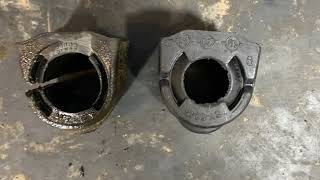
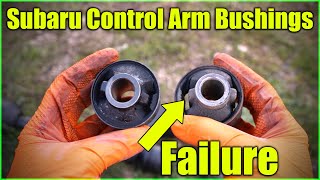
If you're hearing a clunking or thudding sound from the back of your Forester, especially when you accelerate, brake, or drive over bumps, a failing trailing arm is a likely suspect. The arm itself is just a piece of steel and rarely fails unless it's bent from an impact or severely rusted. The real culprits are almost always the rubber bushings at each end. Over time, these bushings dry out, crack, and fall apart, creating metal-on-metal contact that causes noise and other problems.
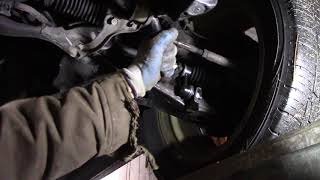
🎬 Watch: How to identify and fix that rear suspension clunk.Symptoms of a Bad Trailing Arm
Besides noise, you might notice other signs that your trailing arm bushings are worn out:
- Loose or Wandering Rear End: The vehicle may feel unstable, or the steering might feel loose, particularly when turning.
- Uneven Tire Wear: When the bushings fail, the rear wheel alignment can change, causing your tires to wear down unevenly or excessively.
- Unstable Braking: A delay or instability when you hit the brakes can also be a symptom.
A Note on Rust and Seized Bolts
While there are no specific recalls for the rear trailing arms on the 1998-2008 Forester, these vehicles are known for suspension rust issues, especially in salt-belt states. The bolts holding the trailing arm bracket to the car's body are notorious for seizing with rust. Trying to remove them can cause the weld nuts inside the frame to break loose. This turns a simple repair into a major one, often requiring cutting into the floor of the car to access and replace the nuts. 🎬 See how to repair broken trailing arm mounting nuts. Be prepared for this possibility if you live in a region where roads are salted.
Choosing an Aftermarket Trailing Arm
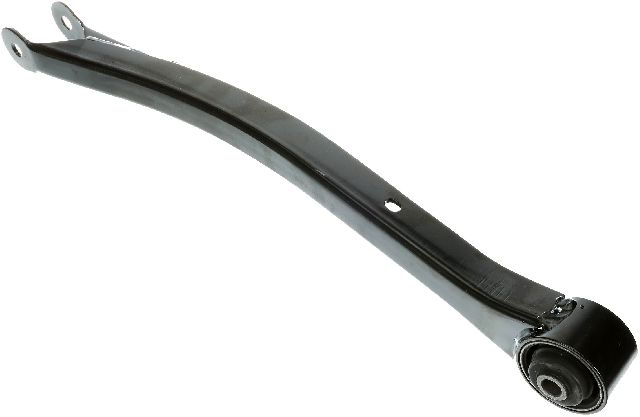
For a vehicle of this age, replacing the entire trailing arm assembly is often easier and more cost-effective than pressing out old bushings and installing new ones. Aftermarket arms come with new bushings pre-installed.
OEM vs. Aftermarket: An original Subaru part will be a perfect fit, but it comes at a higher cost. For Foresters over a decade old, a quality aftermarket part offers a good balance of price and performance. The key is choosing a reputable brand.
Brand Tiers:
- Dorman: A widely available and affordable option. Dorman parts are a popular choice for DIYers and are considered a decent budget-friendly solution to get your Forester back on the road safely.
- Mevotech: Often seen as a step-up in the budget category, Mevotech balances affordability with good design and is a solid choice for daily driving.
Both Dorman and Mevotech provide a cost-effective alternative to OEM parts and are suitable for keeping an older Forester running well without breaking the bank.
| Part Type | Estimated Cost |
|---|---|
| New Aftermarket Trailing Arm | $99.12 - $113.94 |
| New OEM Trailing Arm | $150 - $250+ |
| Shop Labor (per side, no complications) | $150 - $220 |
| Shop Labor (with seized bolts) | $400 - $800+ |
Pro Tip: Replace in Pairs
If one trailing arm bushing has failed, the one on the other side is likely not far behind. It's recommended to replace them in pairs to maintain balanced handling and predictable performance.
Frequently Asked Questions
Can I drive with a bad trailing arm?
It is not recommended. While you might be able to drive a short distance at low speed to a mechanic, a failed trailing arm or bushing severely compromises your vehicle's stability and control. A complete failure could lead to a loss of control and a crash.
Is it better to replace the whole arm or just the bushings?
Replacing the entire arm is usually the better option for a DIY repair. The bushings require a hydraulic press to be removed and installed, which most people don't have. 🎬 Watch: Professional tips for replacing Subaru suspension bushings. Given the affordable price of complete aftermarket arms that include new bushings, it's the simpler and more common repair.
Why is the labor cost so high for this part?
The standard replacement is straightforward. However, the high cost comes from the common problem of seized bolts on the frame-mounted bracket. If the bolts or the internal nuts break, a mechanic has to perform significant extra labor, sometimes cutting into the vehicle's unibody, to fix it. This complication is what drives up the cost.
Do I need an alignment after replacing trailing arms?
Yes. The trailing arm is a key part of the rear suspension geometry. Replacing it will affect your rear alignment. You should always have a professional four-wheel alignment performed after the job is done to ensure proper handling and prevent premature tire wear.
Helpful Videos
Technical Specifications
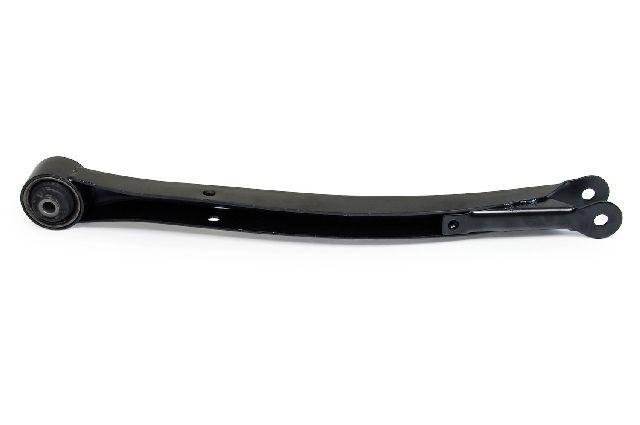
OEM Part Numbers: 20250SA050 20270AA001 20250SA010
Steel construction with pre-installed rubber bushings at both the chassis and knuckle connection points. Non-adjustable length.
We Have This Part in Stock


The information in this article is provided for general reference and educational purposes only. Vehicle specifications, procedures, and part compatibility can vary by production date, trim level, and region. Always consult your vehicle's factory service manual and verify part numbers before purchasing or performing repairs. Safety-critical components such as airbags, seat belts, and braking systems should be installed by a qualified professional.
- Subaru Forester: