

Ford Expedition Engine Crankcase Breather Hose (1998-2009): A Complete Guide
Solve rough idle and check engine lights by understanding this critical emissions part in your Ford Expedition.
- A cracked breather hose is a very common cause of rough idle and 'lean' codes (P0171, P0174) on 1998-2009 Expeditions.
- The hose is located in a tight spot at the back of the engine, making replacement challenging but possible for a DIYer.
- Always verify the part fits your specific engine (4.6L or 5.4L), as they are not interchangeable.
- It is highly recommended to replace the PCV valve and grommet at the same time as the hose assembly.
Symptoms of a Failing Breather Hose
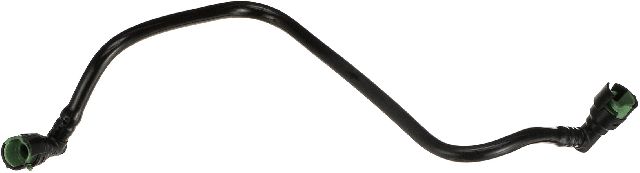
The crankcase breather hose on the 1998-2009 Ford Expedition is a common failure point. Made of plastic and rubber, it becomes brittle and cracks over time due to constant exposure to engine heat and oil vapors. When it fails, it creates a vacuum leak. This can cause a variety of noticeable problems.
- Rough Idle or Surging: The engine may idle erratically or surge, especially when warm.
- Check Engine Light: A vacuum leak will often trigger lean condition codes like P0171 and P0174. 🎬 Watch: Understanding how these lean codes relate to vacuum leaks.
- Hissing Noise: You may hear a distinct hissing or whistling sound from the engine bay, which is the sound of air being sucked through a crack in the hose.
- Increased Oil Consumption & Leaks: If the hose is clogged, pressure can build in the crankcase, forcing oil past gaskets and seals.
- Poor Acceleration: The engine may feel sluggish or hesitate when you press the gas pedal.
Choosing the Right Aftermarket Hose
When replacing the breather hose on your Expedition, you have several aftermarket options. The original Ford (Motorcraft) parts can be expensive and sometimes hard to find for older models. Aftermarket brands offer a direct-fit, cost-effective alternative. The key is choosing a quality part, as some cheaper hoses may collapse under vacuum or degrade quickly.
Brand Quality Tiers
- Top Tier (OEM Equivalents): Gates is a well-respected brand that often manufactures parts to OE (Original Equipment) specifications. Their hoses are known for being resistant to fuel vapors and oil, ensuring a long service life.
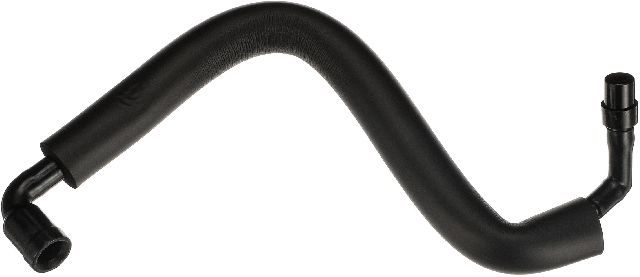
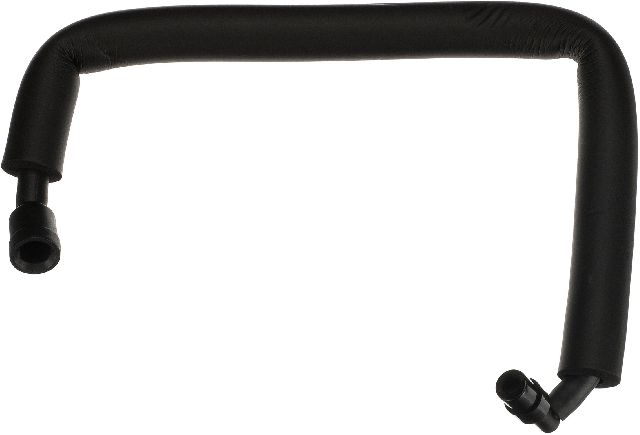
- Mid-Tier (Reliable Aftermarket): Standard Ignition (SMP) and Motormite (a Dorman brand) are popular aftermarket choices. They provide a direct replacement that corrects vacuum leaks and can clear associated check engine light codes. While generally reliable, it's important to verify the exact fit for your specific engine (4.6L vs. 5.4L), as the hose shapes can be very different.
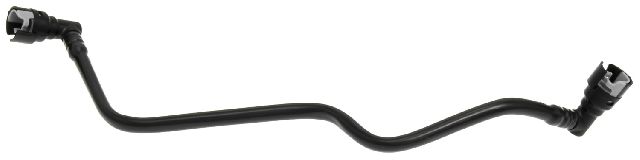
- Economy Tier: While generic, unbranded hoses are available, they are not recommended for this specific application. The complex, molded shape of the Expedition's breather hose is critical for proper fit and function. Using a generic fuel or vacuum hose can lead to kinking, collapsing under vacuum, and premature failure.
Installation & Known Issues
Replacing the breather hose on the 4.6L and 5.4L Triton engines can be challenging due to its location at the back of the intake manifold, near the firewall. Access is tight, and the old plastic connectors can be very brittle and difficult to remove without breaking. Some owners find it easier to gain access by removing the throttle body, though this adds complexity to the job.
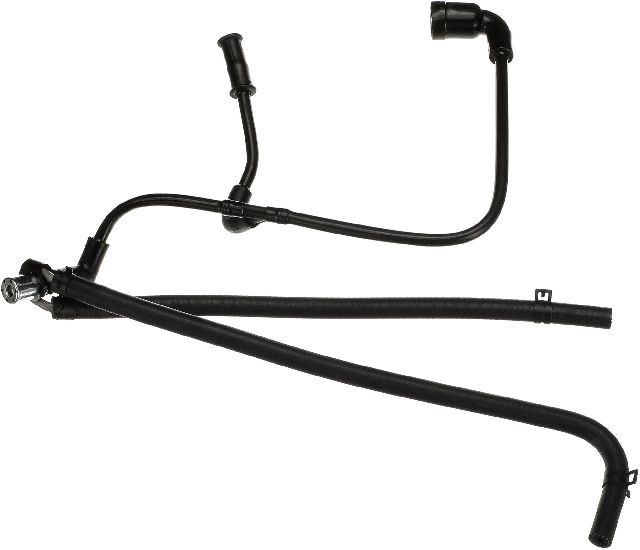
A common issue for the 1998-2009 generation is a cracked elbow on the PCV hose assembly, which is often the source of the vacuum leak. 🎬 Watch: Identifying a failed PCV hose on a 4.6L engine. On some later models in this range, the system is heated and includes wiring, which adds a step to the replacement process. There are no major recalls or Technical Service Bulletins (TSBs) specifically for the crankcase breather hose itself on these models, but the symptoms are widely documented by owners.
Cost Comparison for a New Breather Hose Assembly
| Part Type | Typical Price Range |
|---|---|
| New OEM (Motorcraft) | $54 - $86 |
| New Aftermarket (Gates, Standard, Motormite) | $36 - $87 |
| Shop Labor for Installation | $100 - $200 |
Frequently Asked Questions (FAQ)
Can I just use a generic hose instead of the molded assembly?
No. The specific molded shape is necessary to clear other engine components and prevent kinking, which would block airflow. Using a straight hose will likely lead to it collapsing under vacuum or melting from contact with hot engine parts.
Why are there different hoses for the 4.6L and 5.4L engines?
The intake manifolds and valve cover designs are different between the two engines, requiring hoses with unique shapes and connection points. It is critical to order the part that is specific to your Expedition's engine size.
What are the P0171 and P0174 codes my mechanic mentioned?
These are diagnostic trouble codes that mean the engine's computer has detected a "lean" condition on both banks of the engine. This means there is too much air in the air-fuel mixture, which is a classic symptom of a vacuum leak from a cracked crankcase breather hose.
Is this a difficult part to replace myself?
It can be. The part itself is simple, but its location at the rear of the engine against the firewall makes it hard to reach. The old plastic can be brittle and break during removal. While many DIYers are successful, it requires patience.
My hose has wires going to it. What does that mean?
Some later models in this generation (around 2005+) use a heated PCV system. The wires power a small heater to prevent moisture in the crankcase vapors from freezing and blocking the system in cold weather. Make sure your replacement part is compatible with the heated system if your vehicle has one.
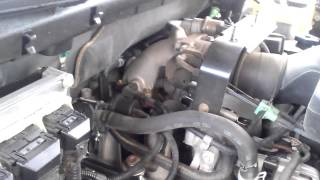
Helpful Videos
Technical Specifications
OEM Part Numbers: XL3Z-6C324-HA XL3Z-6C324-GA
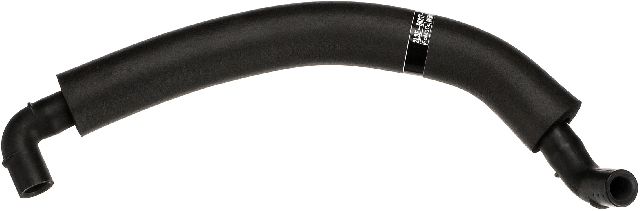
Material: Molded Plastic and Rubber. Location: Connects passenger side valve cover (PCV valve) to the rear of the intake manifold. Features: May include a heated element on later models (2005+). Varies by engine size (4.6L vs 5.4L).
We Have This Part in Stock

The information in this article is provided for general reference and educational purposes only. Vehicle specifications, procedures, and part compatibility can vary by production date, trim level, and region. Always consult your vehicle's factory service manual and verify part numbers before purchasing or performing repairs. Safety-critical components such as airbags, seat belts, and braking systems should be installed by a qualified professional.
- Ford Expedition: