

Lincoln Navigator 1998-2009 Direct Ignition Coil Boot Kit: A Comprehensive Guide
Understanding why replacing just the coil boot can solve your Navigator's engine misfire and save you money.
- A failing coil boot is a very common cause of misfires on the 1998-2009 Navigator and is much cheaper to fix than replacing the entire coil.
- Always verify the correct part for your engine (2-valve vs. 3-valve) as they are different across this year range.
- Stick to high-quality aftermarket brands like Denso or Standard; Denso is often the original manufacturer for Ford's Motorcraft parts.
- It is highly recommended to replace all eight boots and springs at the same time you replace your spark plugs.
Understanding Coil Boot Failure in Your Navigator
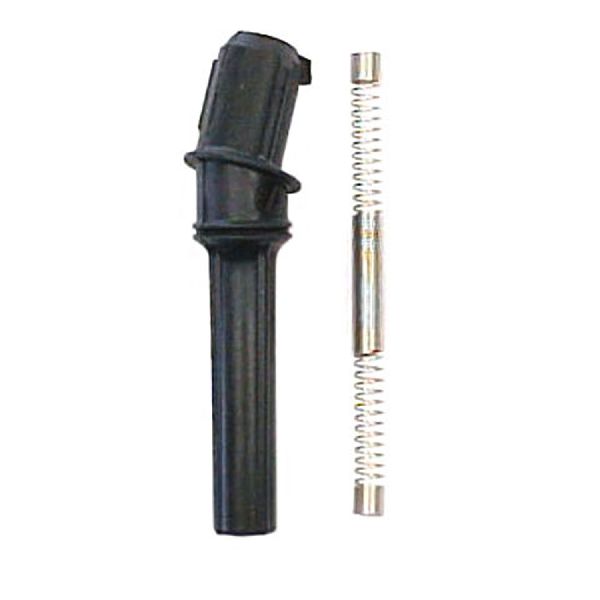
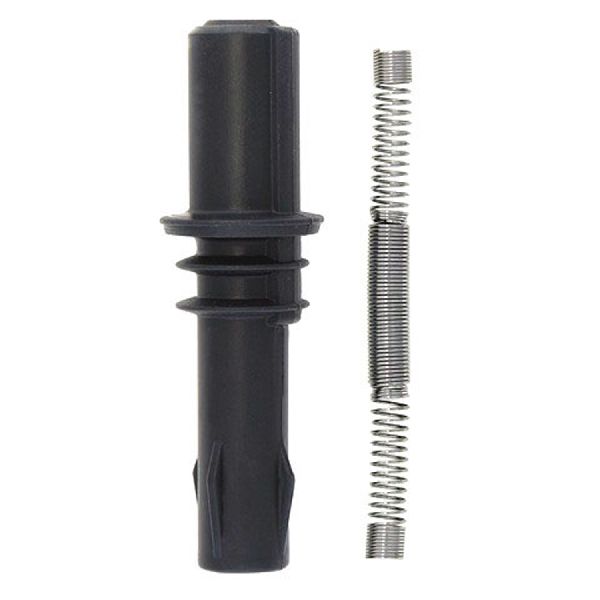
The 5.4L V8 engines used in the 1998-2009 Lincoln Navigator have a coil-on-plug (COP) ignition system. This means each cylinder has its own dedicated ignition coil. The coil boot is the rubber piece that connects that coil to the spark plug. Over many years and heat cycles, these boots can become dry, brittle, and cracked. This degradation is a common cause of ignition problems. When a boot fails, it can allow the spark to leak and arc to the cylinder head instead of the spark plug, or allow moisture to enter the spark plug well, causing a misfire.
Symptoms of a Failing Ignition Coil Boot
A bad coil boot will produce the same symptoms as a bad ignition coil. It's important to diagnose the issue correctly, as replacing the boot kit is much less expensive than replacing all eight coils.
- Check Engine Light: A flashing or solid check engine light is the most common sign. The computer will detect a misfire and store a trouble code, typically from P0300 to P0308.
- Rough Idle: Your Navigator may shake or vibrate more than usual when stopped at a light.
- Engine Hesitation: You may feel a stumble or loss of power when accelerating.
- Reduced Fuel Economy: When a cylinder isn't firing correctly, the engine's efficiency drops, and you'll notice worse gas mileage.
Generation and Engine Differences
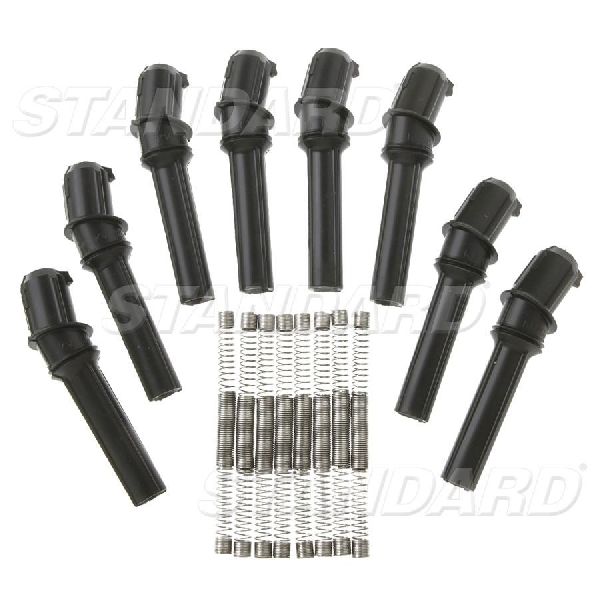
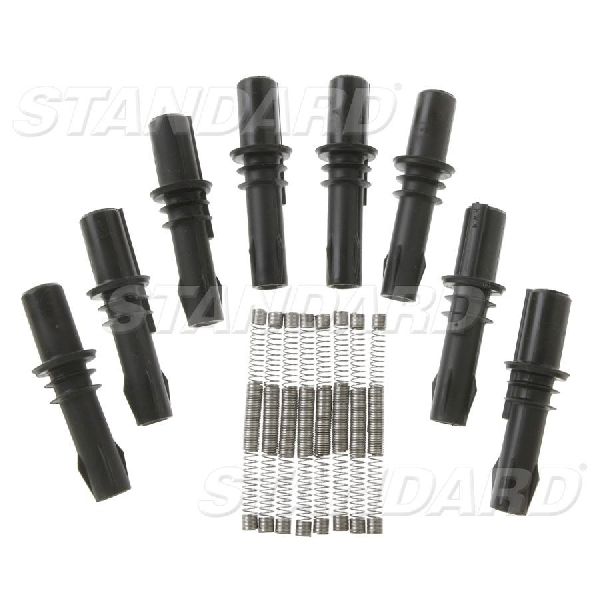
The 1998-2009 period covers different engines, primarily the 5.4L 2-valve (1998-2004) and 5.4L 3-valve (2005-2009). These engines use different ignition coils and boots. It is critical to order the kit that is specified for your exact model year to ensure a proper fit.
Choosing the Right Aftermarket Coil Boot Kit
When it comes to ignition components for these Ford engines, quality matters. A cheap, poorly-made boot can fail quickly, leading to the same misfire problems. OEM for your Lincoln is Motorcraft.
- Top-Tier Aftermarket (Denso): Denso was an original equipment manufacturer for many Ford coils. In some cases, the Motorcraft part is simply a rebranded Denso part. Choosing a Denso boot kit is as close to OEM quality as you can get and is a highly recommended option.
- Professional-Grade Aftermarket (Standard): Standard Motor Products (SMP) is a well-respected brand that produces reliable aftermarket parts. Their coil boot kits are a solid choice and are known for good quality and fit.
Many forum users and mechanics recommend replacing only the boots and the small springs inside them when troubleshooting a misfire, especially if the original Motorcraft coils are still in the vehicle. This is often a successful and cost-effective repair. Avoid unbranded, low-cost coil kits from online marketplaces, as they have a reputation for high failure rates.
Known Issues, Recalls, and Service Bulletins
Searches of the National Highway Traffic Safety Administration (NHTSA) database show no specific recalls or Technical Service Bulletins (TSBs) for ignition coil boot failure on the 1998-2009 Lincoln Navigator. While individual coils can fail, the boots themselves are considered a wear-and-tear item. The most common related issue discussed by owners is moisture intrusion into the spark plug wells, which a new, properly sealed boot is designed to prevent.
| Part Type | Estimated Cost |
|---|---|
| New OEM (Motorcraft) Boots | $50 - $85 |
| New Aftermarket Boot Kit | $54.00 - $86.89 |
| Shop Labor | $75 - $150 |
Frequently Asked Questions (FAQ)
Should I replace all 8 coil boots at once?
Yes. The rubber on all boots has been exposed to the same amount of heat and time. If one has failed, the others are likely not far behind. Given the low cost of a full kit, it is best practice to replace all of them, especially if you are already replacing the spark plugs.
Do I need dielectric grease for this job?
Yes, it is highly recommended. Applying a small amount of dielectric grease to the inside of the boot where it contacts the spark plug and the coil helps with installation, prevents voltage leaks, and makes future removal easier.
Can I replace just the boot without the whole coil?
Absolutely. The boot can be twisted and pulled off the end of the ignition coil. Replacing just the boot and spring is a very common and effective repair for misfires caused by a cracked or worn boot.
Will a new coil boot kit fix my P0301 (or other misfire) code?
If the misfire is caused by a cracked boot allowing the spark to leak or moisture to interfere, then yes, a new boot kit will solve the problem. However, a misfire can also be caused by a bad spark plug, a failing ignition coil, or a fuel injector issue. Replacing the boots is an excellent and inexpensive first step in diagnosis.
Technical Specifications
OEM Part Numbers: F7TZ-12A402-AA 3L3Z-12A402-BA 8L3Z-12A402-A F7LZ-12A402-AA
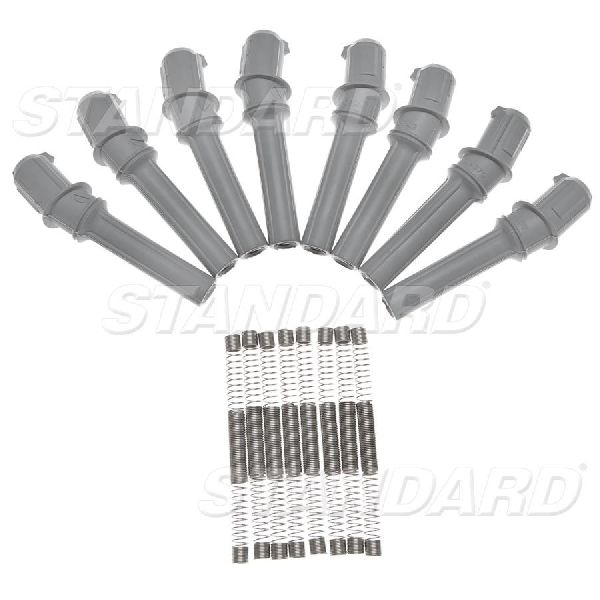
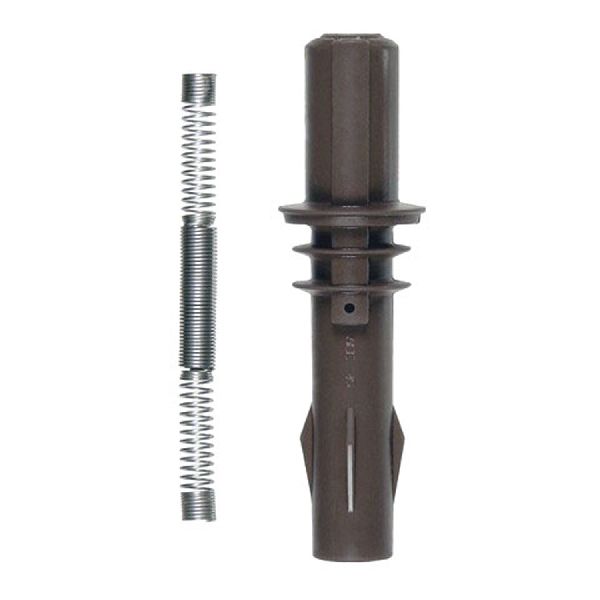
Kit includes eight (8) coil-on-plug boots and eight (8) connector springs. Material is typically high-temperature silicone. Application is specific to engine type (2-valve or 3-valve).
We Have This Part in Stock

The information in this article is provided for general reference and educational purposes only. Vehicle specifications, procedures, and part compatibility can vary by production date, trim level, and region. Always consult your vehicle's factory service manual and verify part numbers before purchasing or performing repairs. Safety-critical components such as airbags, seat belts, and braking systems should be installed by a qualified professional.
- Lincoln Navigator: