

Engine Coolant Temperature Sensor Guide for 1998-2009 Mercedes-Benz ML320
Understanding the signs of a failing engine coolant temperature sensor and how to choose the right replacement for your ML320.
- A bad ECT sensor on an ML320 often triggers a P0115 check engine code and causes poor fuel economy and rough running.
- The sensor is located in a tight spot on the front of the engine; replacement is easier when changing the thermostat.
- Driving with a failed sensor is not recommended as it can lead to higher fuel consumption and risk of overheating.
- High-quality aftermarket brands like Febi, Vemo, or Delphi offer reliable performance for a fraction of the OEM price.
Is Your ML320 Running Rough or Getting Poor Gas Mileage?
A faulty Engine Coolant Temperature (ECT) sensor can be the hidden cause behind several frustrating engine problems. This small, inexpensive sensor provides vital information to your vehicle's computer. When it fails, it can send incorrect data, leading the computer to make poor decisions about fuel delivery and engine timing. This can result in poor performance, reduced fuel economy, and even cause the engine to run too hot or too cold.
Don't Ignore the Signs
🎬 Watch this video to learn more about bad sensor symptoms.While you can often drive with a faulty ECT sensor, it's not recommended for long. An incorrect reading can lead to an overly rich fuel mixture, which wastes gas and can lead to black smoke from the exhaust. More seriously, if the sensor fails to report an overheating condition, the cooling fans may not turn on, risking severe engine damage.
Choosing the Right Aftermarket Sensor for Your ML320
For a part like the ECT sensor, a high-quality aftermarket option is often a smart and economical choice compared to a genuine dealer part. However, quality can vary significantly between brands. It's best to stick with reputable manufacturers known for supplying European vehicles.
| Tier | Brands | Assessment |
|---|---|---|
| Top-Tier Aftermarket | Febi, Vemo, Delphi, CRP (Rein) | These brands are often OEM (Original Equipment Manufacturer) suppliers or are known for high-quality parts that meet or exceed OEM specifications. They are a reliable choice for a direct replacement with excellent fit and function. Forum users often report good experiences with these brands. |
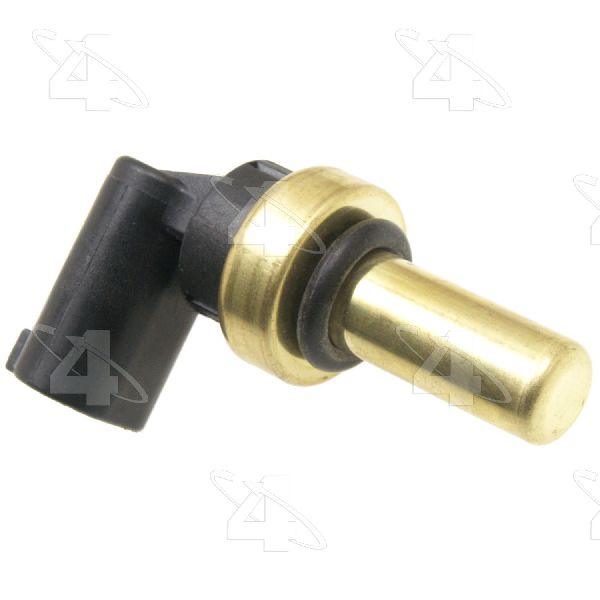
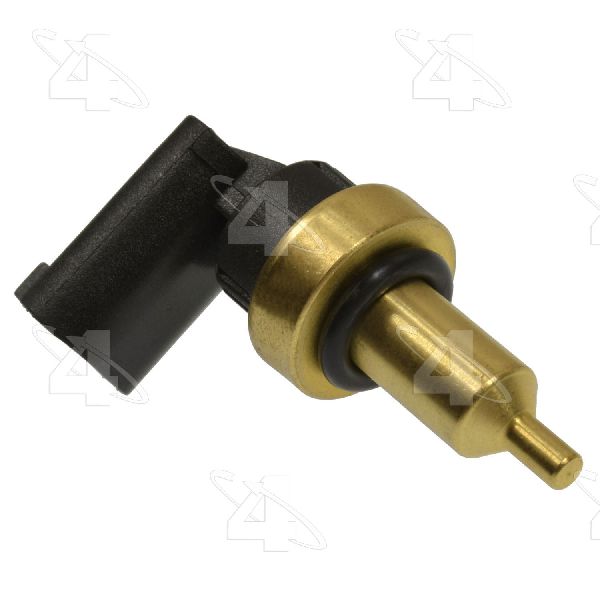
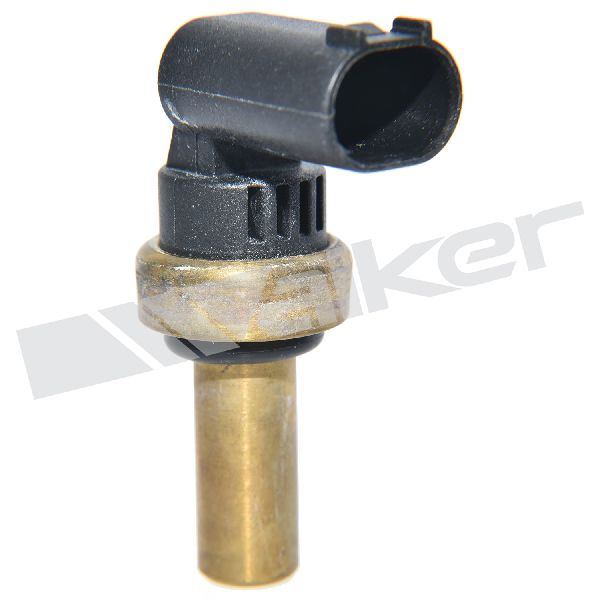
| Standard Aftermarket | Standard Ignition, Walker Products, Four Seasons, Holstein | These are well-established aftermarket brands that offer a good balance of quality and value. They are generally considered reliable for non-critical sensors like the ECT. |
| Budget-Friendly | URO Parts, True Tech, Facet | These brands provide the most affordable options. While they can be a viable choice for a budget repair, some forum discussions mention inconsistent quality with brands like URO Parts for electronic components. For a critical sensor, it may be worth spending a little more for a brand with a stronger reputation. |
Pro Tip: Check the Connector
Before ordering, inspect your ML320's existing sensor and its electrical connector. Over time, the plastic connector can become brittle and break during removal. It's a good idea to check its condition and consider ordering a replacement connector pigtail if it looks damaged.
Installation & Known Issues
For the W163 generation ML320 (1998-2003), the ECT sensor is located on the front of the engine, below the air pump and between the thermostat and water pump housings. Access is tight, and removing the front engine cover and air ducts is necessary. The sensor is held in place by a small clip. While the replacement is feasible for a DIY mechanic with patience, the tight space can be frustrating. It's often recommended to replace the sensor at the same time as the thermostat 🎬 See a full DIY guide for replacing your thermostat and sensor., as access is much easier.
Frequently Asked Questions (FAQ)
What are the most common signs of a bad ECT sensor on an ML320?
The most common symptoms include a lit Check Engine Light (often with code P0115), poor fuel economy, rough idling, black smoke from the exhaust, hard starting, and the engine temperature gauge behaving erratically or not working at all.
Can I drive my ML320 with a bad coolant temperature sensor?
Short-term driving is possible, but it is not recommended. A faulty sensor can cause poor fuel economy and performance issues. Critically, it could fail to warn of an overheating engine, which can lead to significant damage.
Where is the ECT sensor located on my 1998-2003 ML320?
The sensor is located on the front of the engine block, tucked between the thermostat housing and the water pump, below the secondary air pump. It is held in by a clip and sealed with an O-ring.
Are there any recalls for the ML320 coolant temperature sensor?
A search of NHTSA records did not find any specific recalls for the engine coolant temperature sensor on the 1998-2009 Mercedes-Benz ML320. Recalls found were for other models or different components.
Helpful Videos
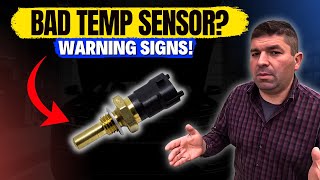

Technical Specifications
OEM Part Numbers: 0005425118 0999053800 0009056102
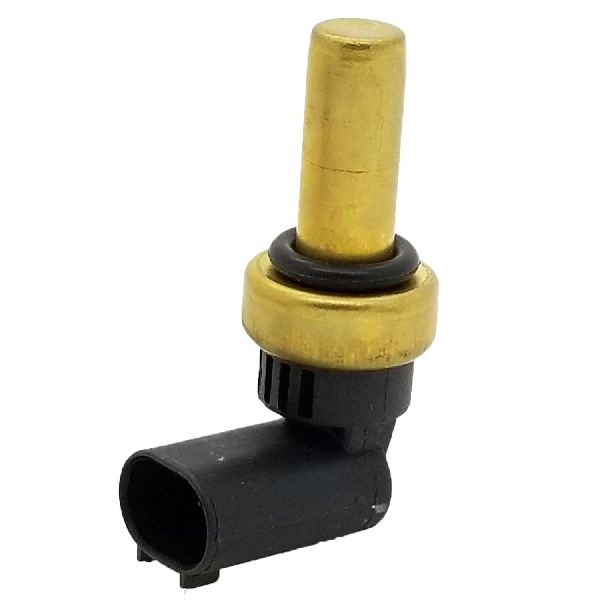
The sensor is a thermistor type, held in place by a clip, and sealed with a rubber O-ring. It typically has a 2-pin electrical connector.
We Have This Part in Stock


The information in this article is provided for general reference and educational purposes only. Vehicle specifications, procedures, and part compatibility can vary by production date, trim level, and region. Always consult your vehicle's factory service manual and verify part numbers before purchasing or performing repairs. Safety-critical components such as airbags, seat belts, and braking systems should be installed by a qualified professional.
- Mercedes-Benz ML320: