

A Complete Guide to the 1998-2010 Dodge Durango A/C Compressor
Everything you need to know before replacing the A/C compressor on your first or second-generation Durango.
- A catastrophic failure called "Black Death" can contaminate the whole system; inspect the old oil for metal shavings.
- Always replace the compressor, receiver/drier, and expansion valve together as a kit to prevent premature failure and to keep your warranty.
- For long-term reliability, choose an OEM-quality brand like Denso or Valeo.
- This job is not recommended for DIY beginners because it requires special equipment to handle the refrigerant legally and safely.
Is Your Durango's A/C Compressor Failing?
A failing A/C compressor in a 1998-2010 Dodge Durango often gives clear warning signs. If your air conditioning is blowing warm, that's the most obvious symptom. You might also hear strange noises from the engine bay when you turn the A/C on. A rattling or grinding sound often points to failing bearings or internal parts inside the compressor. Sometimes, the cooling will work on and off, which could mean the compressor's clutch is struggling to engage.
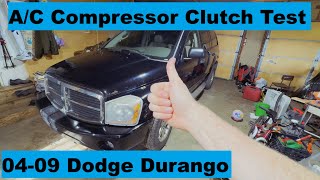
🎬 Watch: How to test your Durango's A/C compressor clutch.The "Black Death": A Catastrophic Failure
Important: Read Before You Buy
A major concern with these systems is a catastrophic failure known as "A/C Black Death." This happens when the compressor fails internally and sends tiny metal particles throughout the entire A/C system. This creates a thick, black sludge that contaminates every component it touches, including the condenser, hoses, and expansion valve. If this happens, simply replacing the compressor is not enough. The new compressor will quickly fail from the contamination. The only fix is to replace the compressor, receiver/drier, and expansion valve, and thoroughly flush the rest of the system.
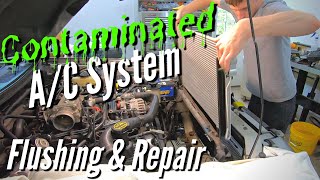
🎬 See how to properly flush and recharge a contaminated system.Choosing the Right Aftermarket A/C Compressor
When shopping for a new aftermarket compressor for your Durango, quality varies significantly between brands. Choosing a better part can save you from doing the job twice.
Tier 1: OEM Quality Brands
These brands are often the original equipment manufacturers (OEM) for major car companies. They offer the best quality, reliability, and longevity.
- Denso: Widely considered the top choice. Denso is a massive OEM supplier known for durability and quiet operation. Many professional mechanics recommend using Denso for a replacement you can trust.
- Valeo: Another high-quality OEM supplier. Valeo compressors are engineered for efficiency and are a reliable choice that meets factory standards.
Tier 2: Standard Aftermarket
These brands are widely available and offer a balance between price and quality, though experiences can be mixed.
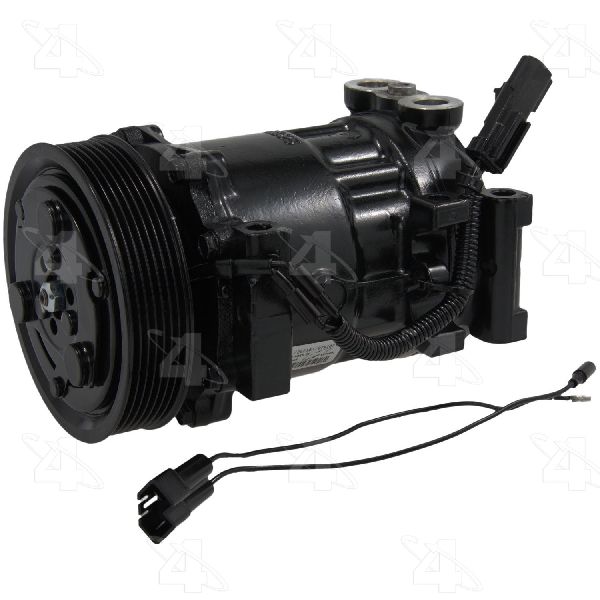
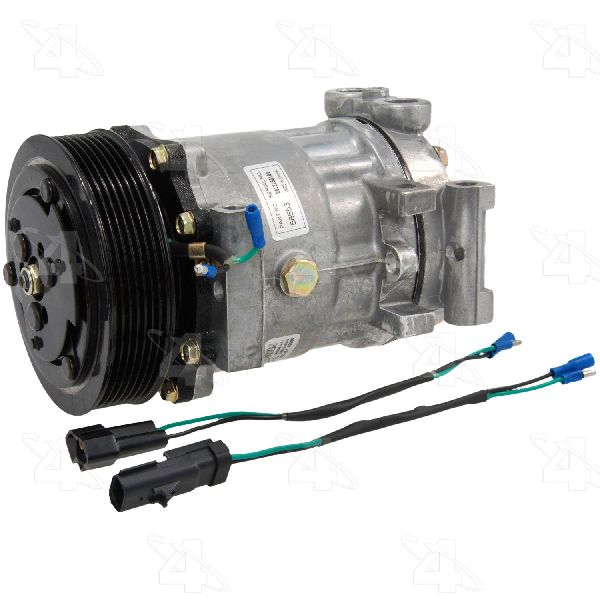
- Four Seasons: One of the most common aftermarket brands. While many have success with Four Seasons parts, some reviews mention issues with noise or premature failure. They are a decent mid-range option but may not have the longevity of an OEM-tier brand.
Tier 3: Budget Brands
These brands offer the lowest price point, often in complete kits.
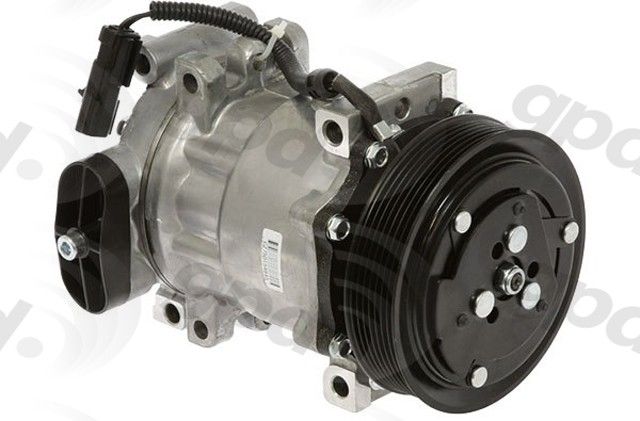
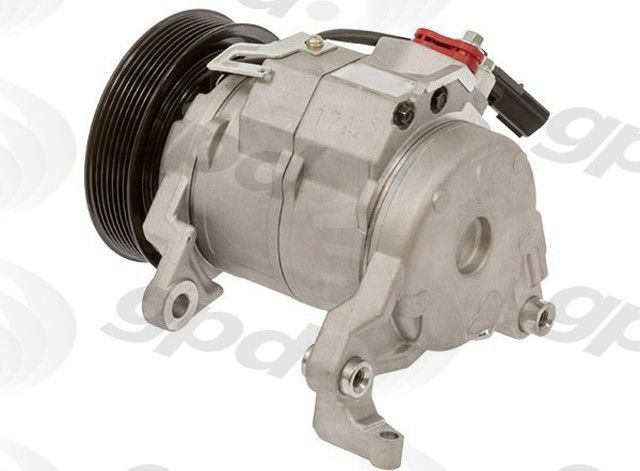
- Global Parts (GPD): A budget-friendly choice that can get your A/C working without a high upfront cost. Quality and durability may not match the higher-tier brands.
Pro Tip: Always Replace as a Kit
To ensure your new compressor lasts and the warranty is honored, you must also replace the A/C Receiver/Drier (or Accumulator) and the Expansion Valve (or Orifice Tube). Flushing the system to remove old oil and debris is also required. Skipping these steps is the #1 cause of repeat failures.
Estimated Replacement Costs
The cost to replace the A/C compressor on a 1998-2010 Durango depends on the parts you choose and local labor rates.
| Part/Service | Estimated Cost |
|---|---|
| New Aftermarket Compressor | $195 - $460 |
| New OEM Compressor | $500 - $800+ |
| Shop Labor & Refrigerant Service | $250 - $450 |
| Total Professional Job (Aftermarket) | $445 - $910 |
| Total Professional Job (OEM) | $750 - $1,250+ |
Frequently Asked Questions
What is A/C "Black Death"?
It's a term for a severe A/C compressor failure where internal metal parts break apart, creating a black sludge of metal shavings and oil. This sludge contaminates the entire system, requiring the replacement of multiple parts, not just the compressor.
Can I just replace the compressor and not the other parts?
No. You must also replace the receiver/drier and expansion valve. The old drier contains moisture and contaminants that will destroy the new compressor. Failure to replace these parts will void the warranty on your new compressor and lead to it failing very quickly.
Is replacing the A/C compressor a DIY job?
It is not recommended for beginners. While the mechanical part of swapping the compressor is straightforward, handling refrigerant is required. Federal law requires the use of special equipment to safely evacuate the refrigerant before opening the system and to vacuum and recharge it after the repair. Incorrect handling can be dangerous and harmful to the environment.
My front A/C doesn't work but the rear does. Is it the compressor?
On second-generation Durangos (2004-2009), this specific symptom often points to a failed front expansion valve, not the compressor. These models have separate expansion valves for the front and rear systems, and it's a known issue for one to fail.
🎬 Watch: Troubleshooting cold air in the rear but not the front.Helpful Videos
Technical Specifications
OEM Part Numbers: 55056336AB 5135919AA 55055540AI 55055540AJ 55055540AK 55055540AM 55055802AG 55056241AD 4849040AD
Compressor type and clutch configuration vary by engine and model year. First generation (1998-2003) and second generation (2004-2010) use different compressors. Always verify the part number and fitment for your specific engine (3.7L, 4.7L, 5.2L, 5.7L, 5.9L) before ordering.
We Have This Part in Stock
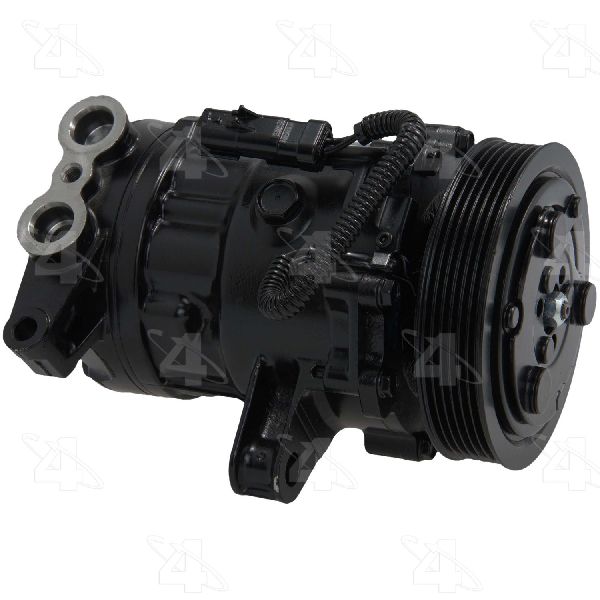
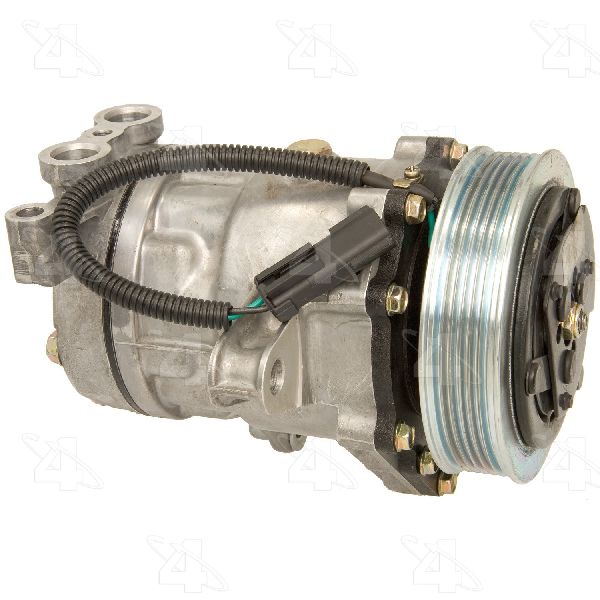

The information in this article is provided for general reference and educational purposes only. Vehicle specifications, procedures, and part compatibility can vary by production date, trim level, and region. Always consult your vehicle's factory service manual and verify part numbers before purchasing or performing repairs. Safety-critical components such as airbags, seat belts, and braking systems should be installed by a qualified professional.
- Dodge Durango:
- 🎬 Helpful Videos
- 🛍️ Shop This Part
- Is Your Durango's A/C Compressor Failing?
- The "Black Death": A Catastrophic Failure
- Important: Read Before You Buy
- Choosing the Right Aftermarket A/C Compressor
- Tier 1: OEM Quality Brands
- Tier 2: Standard Aftermarket
- Tier 3: Budget Brands
- Pro Tip: Always Replace as a Kit
- Estimated Replacement Costs
- Frequently Asked Questions
- 🎟️ Get 5% Off