

Volvo V70 Radiator Replacement Guide (1998-2010)
Everything a Volvo V70 owner needs to know about diagnosing and replacing a failing radiator.
- Radiator failure on the 1998-2010 V70 is common due to age, with plastic end tanks being the primary weak point.
- Symptoms include overheating, visible coolant leaks, and a sweet smell from the engine bay.
- A quality aftermarket radiator from a brand like Nissens or CSF is a cost-effective and reliable alternative to an expensive OEM part.
- When replacing the radiator, it is best practice to also replace the radiator cap and thermostat to ensure the reliability of the entire cooling system.
Signs of a Failing Volvo V70 Radiator
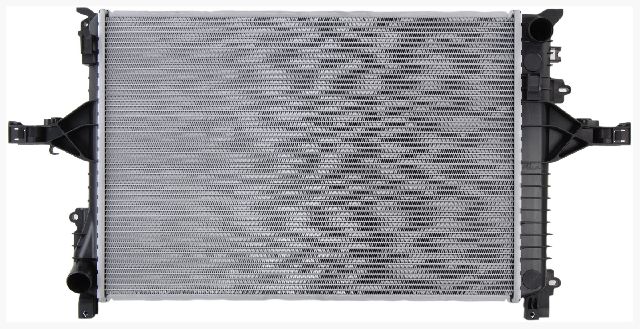
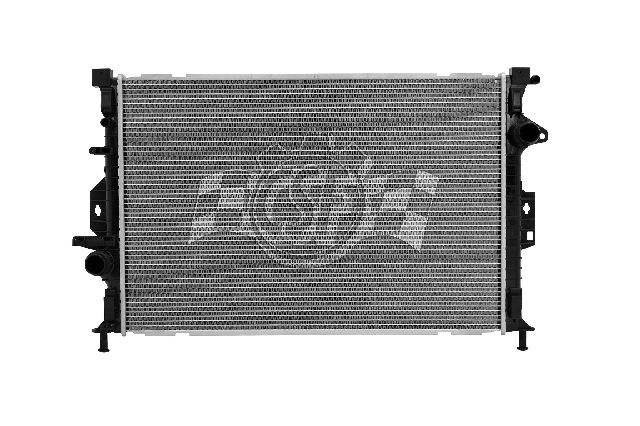
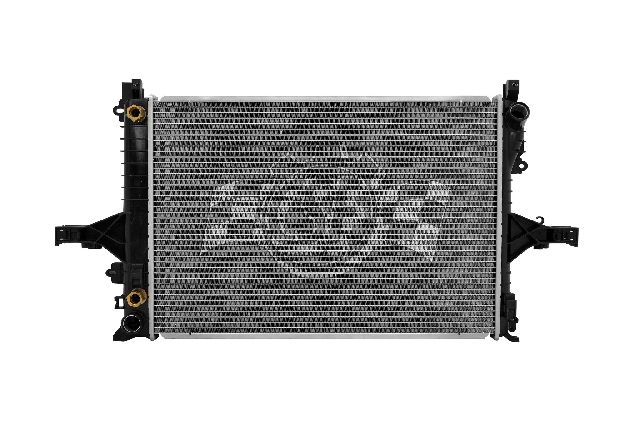
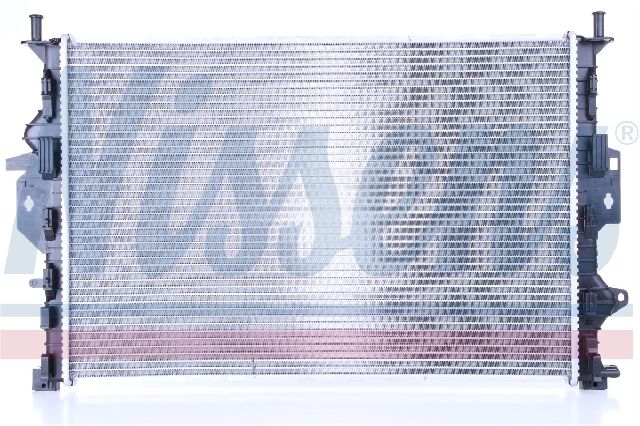
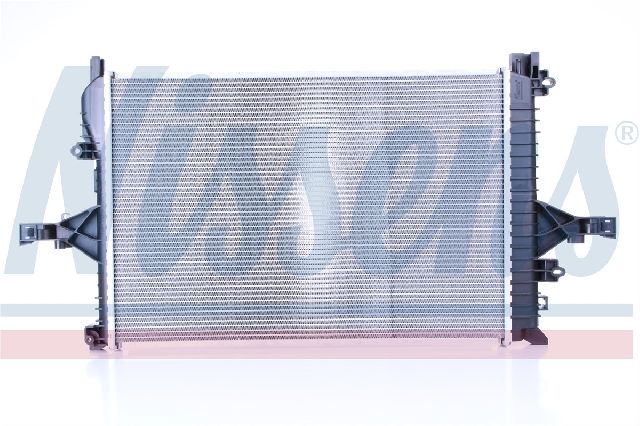
On a 1998-2010 Volvo V70, radiator failure is often related to age. The original radiators use plastic sections on the sides (called end tanks) that are attached to an aluminum center section (the core). After many years and miles, this plastic can become brittle and crack, causing leaks. Here are the most common symptoms to watch for:
🎬 Watch: 7 signs of a bad radiator and replacement costs- Engine Overheating: The most serious sign. If your temperature gauge needle moves into the red, pull over immediately to prevent engine damage.
- Visible Coolant Leaks: You may see puddles of bright green, pink, or orange fluid under the front of your car. Leaks often start where the plastic end tanks meet the aluminum core.
- Low Coolant Warning Light: Your V70 is equipped with a sensor that will alert you when the coolant level in the expansion tank is low. While this could be from a minor hose leak, it often points to a failing radiator.
- Sweet Smell: The chemical makeup of engine coolant gives it a distinct sweet smell. If you smell this around your car after driving, it's a sure sign of a leak, even if you can't see it.
- Heater Not Working Correctly: A blocked radiator can sometimes affect the performance of your car's heater, causing it to blow cold or lukewarm air.
Choosing the Right Aftermarket Radiator
When your original radiator fails, you have a choice between an OEM (Original Equipment Manufacturer) part from Volvo and an aftermarket part. For a vehicle of this age, a quality aftermarket radiator is often the most practical and cost-effective choice. The key is to choose a brand with a good reputation.
The brands available in our inventory, such as Nissens, CSF Radiator, and Spectra Premium, are well-known in the industry for producing reliable replacement parts that meet or exceed OEM specifications. Nissens, in particular, is a popular choice in Volvo forums. These brands offer a direct-fit replacement, meaning they are designed to install just like the original without any modifications. They use similar materials, typically an aluminum core with plastic tanks, which is the standard for modern vehicles.
Known Issues, Recalls, or TSBs
Searches for official recalls or Technical Service Bulletins (TSBs) from Volvo or the National Highway Traffic Safety Administration (NHTSA) for the 1998-2010 V70 radiator did not show any widespread, recurring manufacturing defects. Failures are typically due to the age and natural wear of the materials, especially the plastic end tanks.
Cost to Replace a Volvo V70 Radiator
| Part / Service | Estimated Cost |
|---|---|
| New Aftermarket Radiator | $113 - $314 |
| Shop Labor | $250 - $600 |
| Total Estimated Cost (Aftermarket) | $363 - $914 |
Cost estimates are for parts and labor only and do not include taxes, fees, or the cost of new coolant. Labor costs are based on an estimated 2-4 hours of work.
Frequently Asked Questions
Can I use a "stop-leak" product instead of replacing the radiator?
It is not recommended. Stop-leak products can clog not only the leak but also narrow passages in your radiator, heater core, and engine, leading to worse overheating problems down the road. It's a temporary fix at best and can cause more expensive damage.
Is replacing the radiator a DIY job? 🎬 Watch: Step-by-step radiator replacement guide for 2001-2007 V70 models
For an experienced DIY mechanic, yes. The process takes 2-4 hours and requires draining the cooling system, disconnecting hoses (including transmission cooler lines), and removing the fan assembly. If you are not comfortable with this, it is best to have a professional mechanic perform the work.
What type of coolant should I use for my Volvo V70?
Always use the coolant type specified for your vehicle. Using the wrong type can cause corrosion and damage to the cooling system. Volvo typically requires a specific blue or green coolant. Check your owner's manual or the coolant container to ensure it is compatible with your Volvo.
What is the difference between the P80 (1998-2000) and P2 🎬 See this radiator replacement walkthrough for 1998-2000 V70 models (2001-2007) V70 radiators?
The V70 was built on two different platforms in this period. The P80 and P2 chassis have different radiator designs and mounting points. It is critical to order the correct radiator for your specific model year to ensure it fits and functions correctly.
Helpful Videos
Technical Specifications
OEM Part Numbers: 9470409 1335433 6842428
Core Material: Aluminum; Tank Material: Plastic. Design may vary between P80 (1998-2000) and P2 (2001-2007) platforms and between turbo and non-turbo models.
We Have This Part in Stock


The information in this article is provided for general reference and educational purposes only. Vehicle specifications, procedures, and part compatibility can vary by production date, trim level, and region. Always consult your vehicle's factory service manual and verify part numbers before purchasing or performing repairs. Safety-critical components such as airbags, seat belts, and braking systems should be installed by a qualified professional.
- Volvo V70: