

Toyota Sienna Vehicle Speed Sensor: A Guide for 1998-2011 Models
Fix your Sienna's erratic speedometer and harsh shifting by understanding this critical sensor.
- A bad VSS directly causes poor shifting, an erratic speedometer, and a P0500 trouble code.
- Replacement is a simple DIY job, often taking less than an hour with basic tools.
- While budget parts are available, trusted aftermarket brands like Delphi or Standard Ignition are recommended for reliability.
- Always check the sensor's wiring and connector for damage before replacing the part itself.
Is Your Sienna's Speedometer Acting Up?

A failing vehicle speed sensor in a 1998-2011 Toyota Sienna can cause some very distinct and frustrating problems. Because the sensor's data is used by multiple systems, a single bad part can make it seem like you have several major issues at once. The most common complaint is an erratic or completely dead speedometer. You may also notice the automatic transmission shifting harshly, at the wrong times, or hesitating to shift at all. This happens because the transmission controller doesn't know when to change gears without accurate speed information.
Check Engine Light is Common
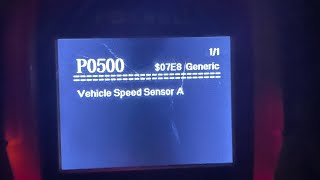
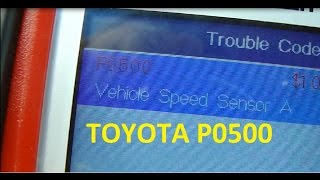
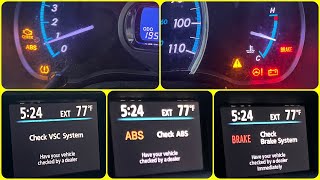
A faulty VSS will almost always trigger the Check Engine Light. The most common trouble code associated with this failure is P0500 - Vehicle Speed Sensor 'A' Circuit Malfunction. You might also see the ABS and brake warning lights come on. Don't ignore these warnings, as a bad speed sensor can affect the anti-lock braking system's performance.
Choosing the Right Aftermarket Speed Sensor

When replacing the VSS on your Sienna, you have a choice between OEM (Original Equipment Manufacturer) and aftermarket parts. While OEM is always a guaranteed fit, quality aftermarket brands can offer similar performance for less money. For a critical electronic part like a speed sensor, it's best to avoid the absolute cheapest options, as poor quality can lead to repeat failures.
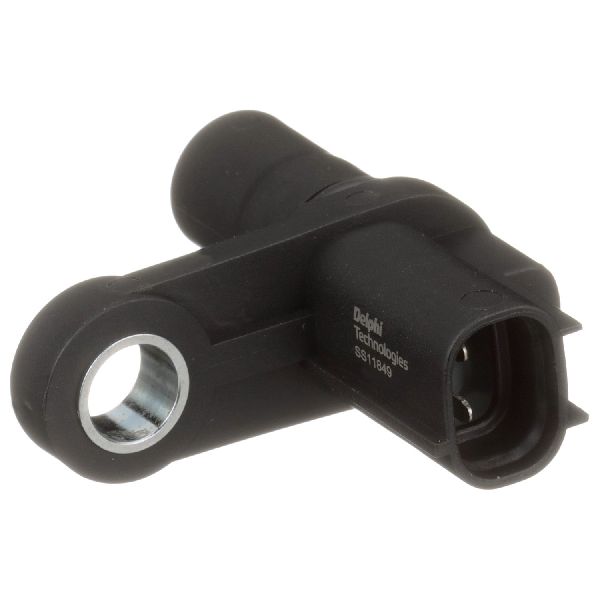
- Premium Aftermarket (e.g., Delphi, Standard Ignition, Denso): These brands are often trusted by professional mechanics. They engineer their parts to meet or exceed OEM specifications and are known for reliability. If you want peace of mind without the full dealership price, these are excellent choices.
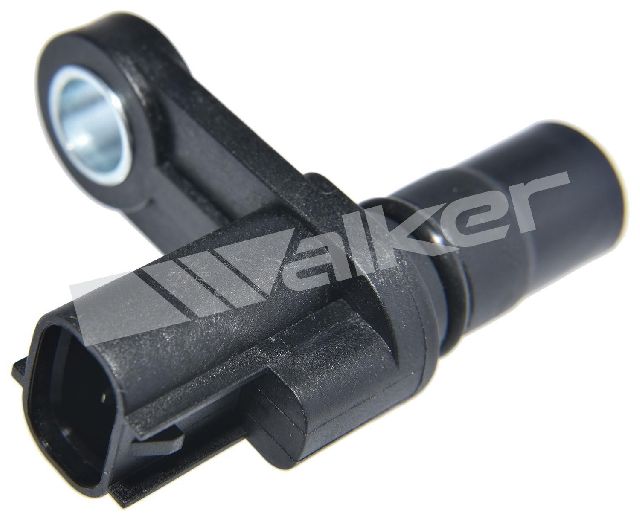
- Quality Mid-Range (e.g., Walker Products, Holstein): Brands like Walker and Holstein focus on providing OE-quality fit and function at a more budget-friendly price. They are a good balance of cost and quality for a DIY repair.
- Budget Brands (e.g., True Tech, various online marketplace brands): While the low price is tempting, budget sensors can be a gamble. They may not have the same durability or signal accuracy, potentially causing issues to return sooner than expected.
Check the Wiring First
Before you replace the sensor, inspect the wiring harness and connector that plugs into it. Sometimes, corrosion or a damaged wire is the real cause of the problem, not the sensor itself. Cleaning the connector or repairing a wire is much cheaper than replacing the part unnecessarily.
How Much Does a New Vehicle Speed Sensor Cost?
The cost can vary significantly based on the brand you choose. Labor costs at a repair shop are typically low for this job, as it's usually easy to access.
| Part Type | Estimated Cost |
|---|---|
| New OEM | $120 - $200 |
| New Aftermarket | $68.95 - $311.81 |
| Shop Labor | $90 - $180 |
Frequently Asked Questions

Where is the vehicle speed sensor located on a 1998-2011 Sienna?
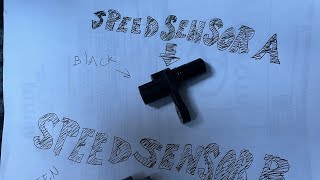
The VSS is located on the outside of the transmission (transaxle). On many V6 Siennas of this era, there are two sensors. For a P0500 code, you are typically looking for the sensor designated as 'A' or 'B', which can be on the top or front side of the transmission housing. It is held in by a single 10mm or 12mm bolt.
Can I drive my Sienna with a bad speed sensor?
Yes, but it is not recommended for long. The vehicle will run, but you will experience poor transmission performance, have no working speedometer, and your cruise control will not function. More importantly, the ABS system may be compromised, which is a safety concern.
What does the code P0500 mean?
P0500 is a generic diagnostic trouble code that means the Powertrain Control Module (PCM) has detected an error in the Vehicle Speed Sensor 'A' circuit. This could be a faulty sensor, a problem with the wiring, or an issue with the computer itself, though the sensor is the most common failure point.
Is this a difficult DIY job?
For most home mechanics, this is a relatively easy job. The sensor is usually accessible from the top of the engine bay after removing the air intake box. It involves unplugging a connector and removing one bolt. The entire process can often be done in under an hour with basic hand tools.
Are there any recalls for the Sienna speed sensor?
There are no specific recalls for the vehicle speed sensor on 1998-2011 Toyota Siennas. Searches of the NHTSA database show recalls for other issues like shift lever assemblies and airbags on different model years, but not the VSS for this generation.
Helpful Videos


Technical Specifications
OEM Part Numbers: 89413-08020 89413-48010 89413-33020 89413-24010
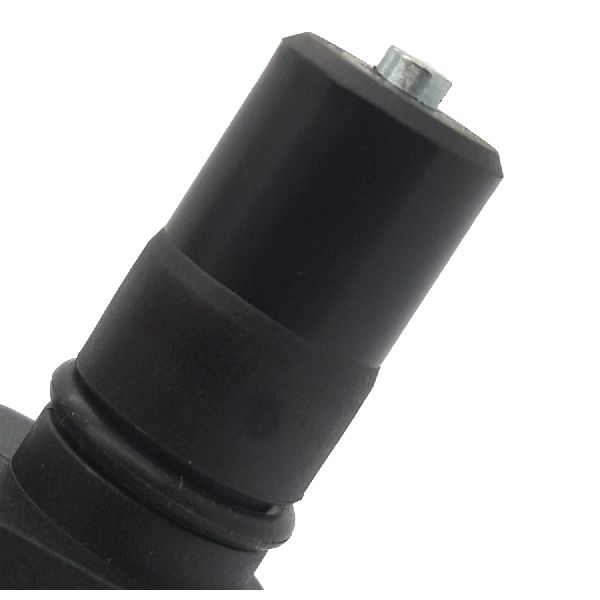
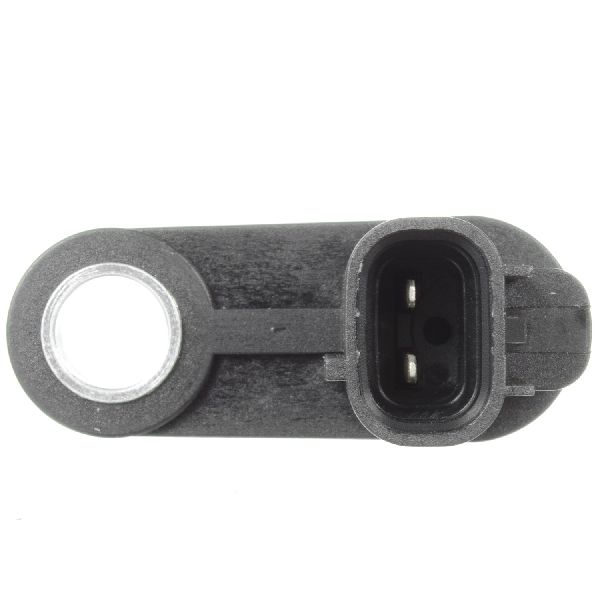
The Vehicle Speed Sensor for the 1998-2011 Toyota Sienna is typically a 2-pin magnetic pulse generator that mounts to the transaxle housing. There are often two distinct sensors (input and output, or A and B) used for transmission control. The correct part depends on the specific model year and which sensor has failed.
We Have This Part in Stock


The information in this article is provided for general reference and educational purposes only. Vehicle specifications, procedures, and part compatibility can vary by production date, trim level, and region. Always consult your vehicle's factory service manual and verify part numbers before purchasing or performing repairs. Safety-critical components such as airbags, seat belts, and braking systems should be installed by a qualified professional.
- Toyota Sienna: