

Chevrolet Impala Ignition Knock Sensor: A Guide for 2000-2013 Models
Address check engine lights and restore performance by understanding your Impala's knock sensor.
- Stick to high-quality brands like ACDelco or Delphi, as labor can be extensive and you don't want to do the job twice.
- Always replace the wiring harness with the knock sensors, as it's a common failure point due to engine heat.
- Sensor location and replacement difficulty vary greatly by engine; confirm whether yours are on the block or under the intake manifold.
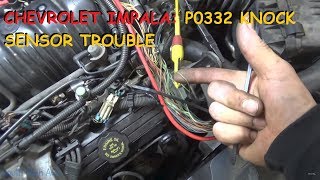
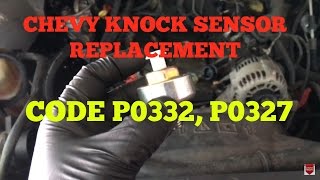
- A knock sensor code (P0327, P0332) can also be caused by bad wiring or a true engine knock, not just a failed sensor.
Is Your Impala's Knock Sensor Failing?
A bad knock sensor can cause noticeable problems. The most common sign is the Check Engine Light on your dashboard. You might also experience poor engine performance, like slow acceleration or hesitation. Some drivers report hearing a metallic pinging or knocking sound from the engine, especially when accelerating. This can also lead to worse gas mileage because the engine isn't running efficiently.
Important Safety Recall for 2000-2004 Impala 3.8L V6
While not related to the knock sensor itself, a critical safety recall exists for these models. Engine oil can leak onto the hot exhaust manifold, creating a risk of an engine fire. This is GM recall #15757 (NHTSA #15V519000). Owners should verify with a dealer if this repair has been performed.
Choosing the Right Aftermarket Knock Sensor
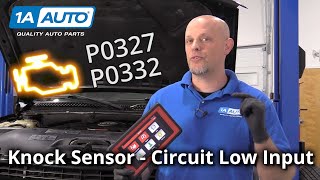
When a knock sensor fails, the check engine light will trigger codes like P0325, P0327, or P0332. 🎬 Watch: Diagnosing low input codes P0327 and P0332 Since some sensor locations are very difficult to access, choosing a high-quality replacement part is critical to avoid doing the job twice. Here’s a breakdown of available brands.
Tier 1: OE Manufacturer & Equivalent
- ACDelco: This is the original GM parts brand. Choosing ACDelco ensures you are getting the part your Impala was built with, offering the best performance and durability.
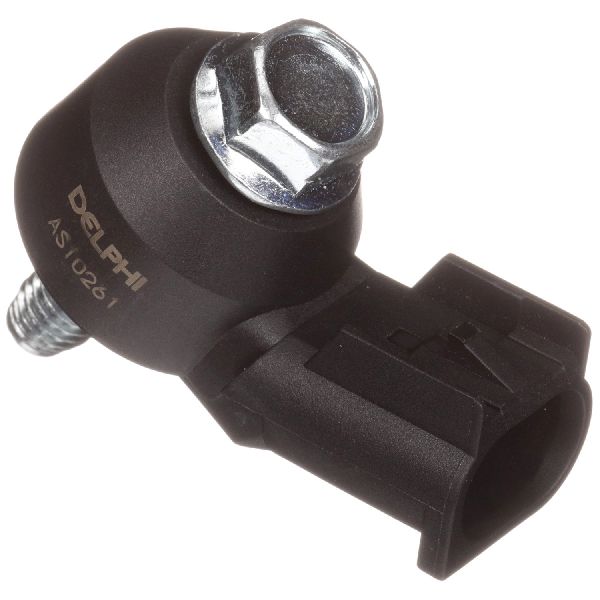
- Delphi: Delphi was a major parts supplier for General Motors and often manufactured the original sensors. In many cases, a Delphi part is identical to the ACDelco part, just in a different box. It is a top-tier choice for reliability.
Tier 2: Reputable Aftermarket Brands
- NGK / NTK: A well-respected Japanese brand known for high-quality engine management sensors. NTK is a reliable alternative to OE parts.
- Standard Ignition (SMP): Standard Motor Products is a long-standing aftermarket manufacturer that produces dependable sensors.
Tier 3: Budget Options
Brands like Walker, Holstein, and True Tech fall into this category. While they are more affordable, their long-term reliability for a sensitive part like a knock sensor can be inconsistent. For sensors in hard-to-reach locations (like under the intake manifold), it is strongly recommended to invest in a Tier 1 brand.
Pro Tip: Always Replace the Wiring Harness
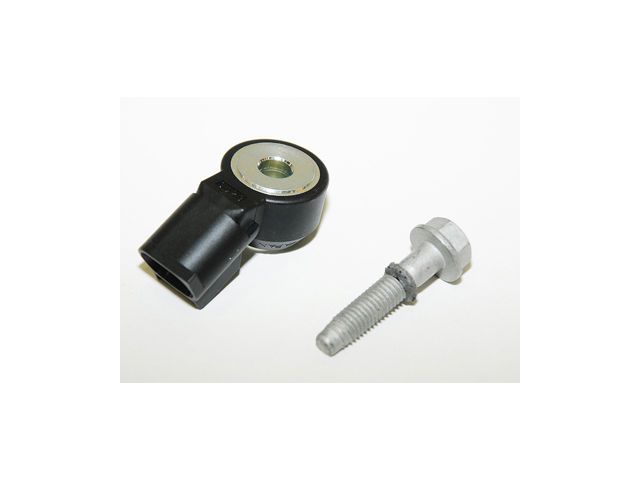
The knock sensor wiring harness is a frequent point of failure due to exposure to intense engine heat, which makes the plastic and wires brittle and corroded. It is highly recommended to replace the harness along with the sensors, especially if your sensors are located under the intake manifold.
Cost of Replacing an Impala Knock Sensor
| Part Type | Typical Cost |
|---|---|
| New Aftermarket Sensor | $15 - $98 |
| New OEM (ACDelco) Sensor | $45 - $120 |
| Shop Labor | $100 - $500+ |
Labor costs vary widely based on your engine and the sensor's location. A sensor on the side of the engine block is much cheaper to replace than sensors located under the intake manifold.
Frequently Asked Questions
Where are the knock sensors on my Impala?
The location depends on your engine. For the 2000-2005 3.8L V6, there are two sensors on the lower part of the engine block; one near the starter (Bank 1) and one on the firewall side (Bank 2), which is very hard to reach. For the 2006-2013 3.5L/3.9L V6, one sensor (Bank 2) is often located on the front of the engine block, above the starter. For the 5.3L V8, the two knock sensors are typically located under the intake manifold, which requires removing the manifold for access. 🎬 See how to replace sensors under the intake manifold Always verify the location for your specific engine before starting.
Can I replace the knock sensor myself?
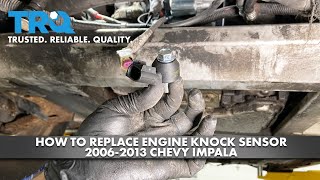
For engines where the sensor is on the exterior of the block (like many 3.5L/3.9L V6 models), a DIY 🎬 Watch: Step-by-step knock sensor replacement for 2006-2013 Impalas replacement is feasible with basic tools, extensions, and a swivel socket. However, for engines where the sensors are under the intake manifold (like the 5.3L V8) or in a very tight spot (like the rear sensor on the 3.8L V6), the job is much more difficult and may be best left to a professional.
What happens if I don't replace a bad knock sensor?
Ignoring a bad knock sensor can lead to long-term engine damage. Without a working sensor, the computer can't detect and stop engine knock, which can damage pistons and other internal components over time. You will also continue to experience poor performance, bad fuel economy, and will not be able to pass an emissions test.
Does the new sensor need to be torqued?
Yes. Knock sensors are sensitive and must be tightened to the manufacturer's specific torque value (often around 14-15 lb-ft). Over-tightening or leaving it too loose can cause the new sensor to work incorrectly and trigger the check engine light again.
Helpful Videos
Technical Specifications
OEM Part Numbers: 10456603 213-3521 12589867 213-4583
Part numbers are highly specific to the engine and year. V6 and V8 engines in this range typically use two sensors. Always verify the correct part number for your Impala's specific engine before ordering.
We Have This Part in Stock


The information in this article is provided for general reference and educational purposes only. Vehicle specifications, procedures, and part compatibility can vary by production date, trim level, and region. Always consult your vehicle's factory service manual and verify part numbers before purchasing or performing repairs. Safety-critical components such as airbags, seat belts, and braking systems should be installed by a qualified professional.
- Chevrolet Impala:
- 🎬 Helpful Videos
- 🛍️ Shop This Part
- Is Your Impala's Knock Sensor Failing?
- Important Safety Recall for 2000-2004 Impala 3.8L V6
- Choosing the Right Aftermarket Knock Sensor
- Tier 1: OE Manufacturer & Equivalent
- Tier 2: Reputable Aftermarket Brands
- Tier 3: Budget Options
- Pro Tip: Always Replace the Wiring Harness
- Cost of Replacing an Impala Knock Sensor
- Frequently Asked Questions
- 🎟️ Get 5% Off