

Dodge Durango Vehicle Speed Sensor Guide for 1998-2013 Models
Fix your Durango's erratic speedometer and harsh shifting by understanding and choosing the right speed sensor.
- A bad speed sensor on a Durango most commonly causes severe shifting problems and an inaccurate speedometer.
- Confirm which sensor is bad before buying; your Durango may have input/output sensors on the transmission or a single sensor on the rear axle.
- Scan for fault codes like P0720 (Output Sensor) or P0500 (VSS) to help pinpoint the problem.
- For reliability, choose a premium aftermarket brand like Delphi or Standard Ignition (SMP) for this electronic part.
What is a Vehicle Speed Sensor?
On a 1998-2013 Dodge Durango, the term 'Vehicle Speed Sensor' can refer to a few different parts depending on your specific year and transmission. Most commonly, it refers to the Output Speed Sensor located on the transmission. Many Durangos from this era also have an Input Speed Sensor on the transmission. These two sensors work together to ensure the transmission shifts smoothly. On some earlier models, a single sensor on the rear axle (differential) provides the speed signal for both the speedometer and the ABS. It is crucial to identify which sensor has failed before ordering a replacement.
Symptoms of a Failing Speed Sensor
A bad speed sensor will cause noticeable problems with how your Durango drives. The most common sign is the transmission shifting very hard or at the wrong times. You might also see the speedometer needle jump around or drop to zero while you're driving. These symptoms are almost always accompanied by a Check Engine Light, and sometimes the ABS or Brake warning light as well.
Limp Mode Warning
A complete failure of a critical speed sensor can force the transmission into "limp mode." This safety feature locks the transmission in a single gear (usually 2nd or 3rd) to prevent further damage, resulting in poor acceleration and an inability to use all gears.
Choosing the Right Aftermarket Speed Sensor
For electronic components like speed sensors, quality and reliability are very important. While OEM parts are always an option, several aftermarket brands offer a good balance of price and performance. Aftermarket sensors for the Durango are generally divided into three tiers.
Tier 1: OE-Quality & Premium Aftermarket
These brands are often original equipment manufacturers for various car brands or have a strong reputation for producing reliable electronic parts. They are the recommended choice for a long-lasting repair.
- Delphi: A well-respected OE manufacturer with a strong reputation for quality electronics.
- Standard Ignition (SMP): A long-standing aftermarket brand known for quality parts. Avoid their budget "T-Series" line (often in a green box) if possible.
- Rostra Powertrain: Specializes in transmission and cruise control components, indicating a focus on quality for these specific systems.
Tier 2: Reputable Aftermarket Brands
These brands offer a solid value proposition and are a good choice for many DIY repairs. They are generally reliable and widely available.
- Crown Automotive: Specializes in replacement parts specifically for Jeep, Dodge, and Chrysler vehicles.
- Walker Products: A known aftermarket manufacturer with a wide range of sensors.
- Holstein: An aftermarket supplier of various sensors and electronic components.
Tier 3: Budget-Friendly Options
These brands focus on being the most affordable option. While they can work, they may not have the same long-term durability or precise calibration as higher-tier brands.
- True Tech
Pro Tip: When replacing transmission sensors, some owners choose to replace both the input and output sensors at the same time, especially on higher-mileage vehicles. Since they are located near each other and have similar service lives, this can prevent a second repair job in the near future.
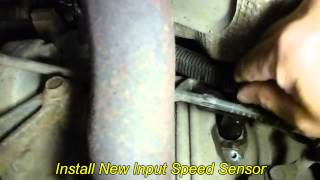
🎬 Watch: How to replace both sensors on 45RFE and 545RFE transmissions.Typical Replacement Costs
The cost to replace a vehicle speed sensor can vary depending on the part brand and local labor rates. The job is simple enough for many DIY mechanics to perform at home.
| Part/Service | Estimated Cost |
|---|---|
| New Aftermarket Sensor | $21 - $85 |
| New OEM Sensor | $80 - $160 |
| Shop Labor | $100 - $200 |
| Total Professional Replacement | $121 - $360 |
Frequently Asked Questions
Where is the vehicle speed sensor on a 1998-2013 Dodge Durango?
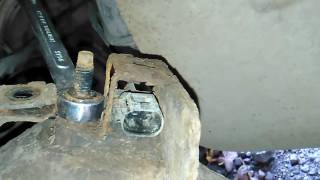
The location varies. For Durangos with 45RFE or 545RFE transmissions, there are input and output speed sensors on the driver's side of the transmission case. On other models, especially early first-generation Durangos, the main speed sensor is located on top of the rear differential housing. 🎬 See this walkthrough for replacing the rear axle speed sensor. Always verify the location for your specific year and model before starting work.
Can I replace a Dodge Durango speed sensor myself?
Yes, this is a very DIY-friendly repair. The sensor is typically held in by a single bolt (usually 8mm or 10mm) and has a simple electrical connector. Access can be tight, but the replacement requires only basic hand tools and can usually be done in under an hour.
What's the difference between an input and output speed sensor?
The input speed sensor measures the speed of the transmission's input shaft (how fast it's being spun by the engine). The output speed sensor measures the speed of the output shaft (how fast the driveshaft is spinning). The computer compares these two signals to verify the transmission is in the correct gear and to detect slippage. The output sensor is the one that provides the final vehicle speed for the speedometer.
Will a bad speed sensor always cause a Check Engine Light?
Yes, almost certainly. The PCM continuously monitors the speed sensor signal. If the signal is missing, erratic, or doesn't make sense compared to other sensor data, it will trigger a fault code and illuminate the Check Engine Light. Common codes include P0500, P0501, and P0720.
🎬 Watch: Diagnosing and fixing a P0720 output speed sensor code.Why is my ABS light on because of a speed sensor?
On some Durango models, the speed signal for the speedometer comes from the ABS sensor on the rear axle. If this sensor fails, it will disable the ABS and turn on the warning light. On all models, the individual wheel speed sensors are part of the ABS. If one of them fails, it will also trigger the ABS light, but this is technically a different part from the primary VSS on the transmission.
Helpful Videos

Technical Specifications
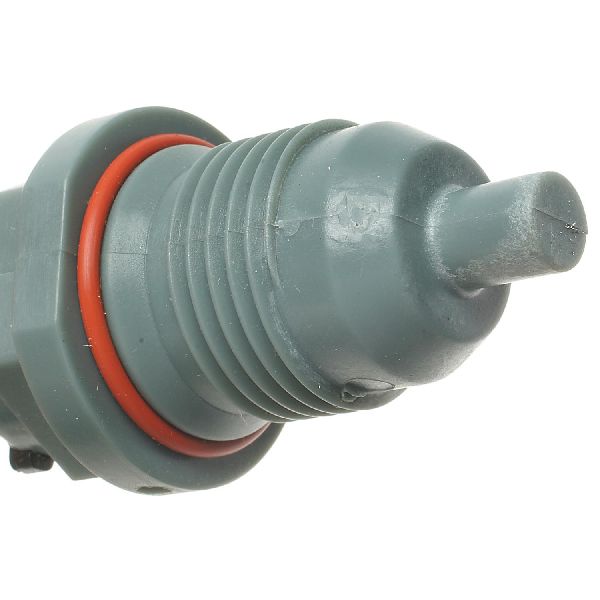
OEM Part Numbers: 56028187AD 4800879 4800878 56029447AF
Typically a 2-pin or 3-pin magnetic sensor held in place by a single bolt. Location and connector type vary by transmission (e.g., 45RFE, 545RFE) and model year.
We Have This Part in Stock


The information in this article is provided for general reference and educational purposes only. Vehicle specifications, procedures, and part compatibility can vary by production date, trim level, and region. Always consult your vehicle's factory service manual and verify part numbers before purchasing or performing repairs. Safety-critical components such as airbags, seat belts, and braking systems should be installed by a qualified professional.
- Dodge Durango:
- 🎬 Helpful Videos
- 🛍️ Shop This Part
- What is a Vehicle Speed Sensor?
- Symptoms of a Failing Speed Sensor
- Limp Mode Warning
- Choosing the Right Aftermarket Speed Sensor
- Tier 1: OE-Quality & Premium Aftermarket
- Tier 2: Reputable Aftermarket Brands
- Tier 3: Budget-Friendly Options
- Typical Replacement Costs
- Frequently Asked Questions
- 🎟️ Get 5% Off