

Nissan Frontier Oxygen Sensor Guide for 1998-2013 Models
Everything you need to know before replacing an oxygen sensor on your first or second-generation Frontier.
- Stick with OEM-equivalent brands like Denso or NGK (NTK) for your Frontier to avoid compatibility issues.
- Verify the exact sensor you need: Bank 1 vs. Bank 2, and Upstream vs. Downstream. They are not interchangeable.
- Be cautious with P0420 and P0430 codes; they often point to a failing catalytic converter, not just a bad O2 sensor.
- For some 2004 models, check for a bad ground wire (TSB NTB99-004B) before replacing multiple sensors.
Understanding Oxygen Sensor Failure in Your Frontier
An oxygen (O2) sensor is a wearable part that eventually fails from age, heat, and contamination from engine byproducts. When a sensor goes bad, it can send incorrect information to your truck's computer, leading to noticeable performance issues. Ignoring a failing O2 sensor can decrease fuel economy by up to 40% and potentially lead to the destruction of your catalytic converter, a much more expensive repair.
Common Symptoms of a Bad Oxygen Sensor

The most obvious sign of a problem is a Check Engine Light on your dashboard. Other symptoms you might experience include:
- Noticeably worse gas mileage
- Rough or unstable engine idle
- Engine hesitation or misfiring
- A rotten egg smell from the exhaust
Check Engine Light Codes
Common codes for a failing oxygen sensor include P0130, P0133, P0153, P2A00, and P2A03. However, be cautious with codes P0420 and P0430. While these can be triggered by a faulty downstream O2 sensor, they more often indicate that the catalytic converter itself is failing. It's wise to have a mechanic properly diagnose these codes before replacing parts.
🎬 See how a mechanic diagnoses a P0420 code on a Frontier.Finding the Right Sensor for Your Truck

The number and location of oxygen sensors depend on your Frontier's year and engine. It is critical to order the correct part for your specific position (e.g., Bank 1 Sensor 1).
- 1998-2004 (D22) Frontier: The 2.4L 4-cylinder engine has two sensors: one upstream (before the catalytic converter) and one downstream (after the catalytic converter). The 3.3L V6 engine has four sensors: 🎬 Watch this walkthrough for replacing upstream sensors on the 3.3L V6. an upstream and downstream sensor for each engine bank (Bank 1 is the passenger side, Bank 2 is the driver side).
- 2005-2013 (D40) Frontier: Both the 4-cylinder and V6 engines in this generation use four sensors. The upstream sensors (Sensor 1) are located in the exhaust manifolds, often accessible through the front wheel wells. The downstream sensors (Sensor 2) are located after the primary catalytic converters. 🎬 Watch: How to replace a downstream sensor on 2005-2021 models.
Choosing an Aftermarket Oxygen Sensor Brand

For many parts, aftermarket brands offer great value. However, Nissan ECUs can be sensitive to the signals from oxygen sensors. Based on owner experiences, sticking to OEM-equivalent brands is highly recommended to avoid future headaches.
Tier 1: OEM-Equivalent Brands
- Denso & NGK (NTK): These brands are the original equipment manufacturers for Nissan. Choosing a Denso or NTK sensor is the safest bet for a direct-fit, reliable replacement that will perform like the factory part.
- Bosch: A reputable German brand that makes high-quality sensors. While generally excellent, most Frontier specialists and owners prefer Denso or NTK for Japanese vehicles to ensure perfect compatibility.
Tier 2: Economy Brands
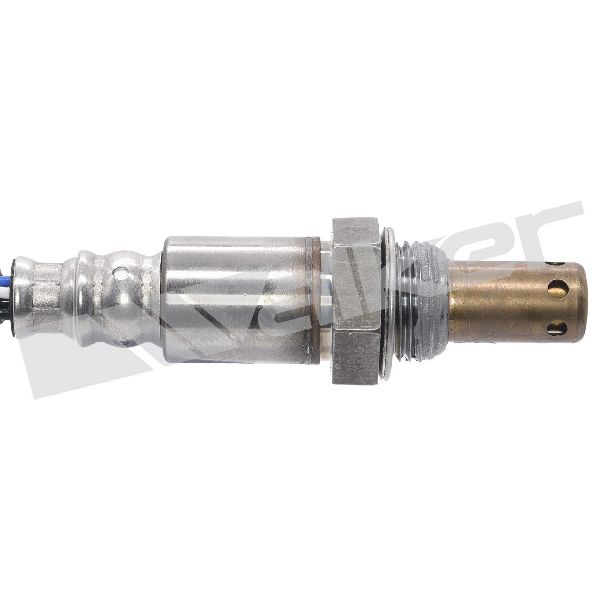
- Walker Products, DriveWire, Spectra, Delphi, Vemo: These brands offer a more budget-friendly price point. However, their performance can be inconsistent. Owners report some of these sensors failing prematurely or being dead out of the box, causing the Check Engine Light to return. If your budget is tight, they are an option, but be aware of the potential for a shorter service life.
A Note on Technical Service Bulletins (TSBs)
For some 2004 Frontiers, Nissan issued TSB #NTB99-004B, which noted that multiple O2 sensor codes could be caused by a poor ground connection. The fix involves adding an inexpensive ground wire between the intake manifold and cylinder head, which could solve the issue without replacing the sensors.
How Much Does a New Oxygen Sensor Cost?

The cost depends on the brand and the specific sensor location, as upstream wideband sensors are often more expensive than downstream narrowband sensors.
| Part Type | Price Range |
|---|---|
| New Aftermarket Oxygen Sensor | $24.52 - $324.57 |
| New OEM Oxygen Sensor | $180 - $350+ |
| Shop Labor | $75 - $180 per sensor |
Frequently Asked Questions
How many oxygen sensors does my Frontier have?
If you have a 1998-2004 4-cylinder, you have two. If you have a V6 from any year between 1998-2013, or a 2005-2013 4-cylinder, your truck has four sensors.
What is the difference between an upstream and downstream sensor?
The upstream sensor (Sensor 1) is located before the catalytic converter and is a primary input for controlling the engine's air-fuel ratio. The downstream sensor (Sensor 2) is located after the catalytic converter and its main job is to monitor the converter's efficiency.
Should I replace oxygen sensors in pairs or all at once?
Sensors degrade over time, so if one fails due to high mileage (over 80,000 miles), the others are likely not far behind. While you only need to replace the one that has failed, replacing them in pairs (both upstream or both downstream on a V6) or as a full set can provide peace of mind and stable performance.
Why is my Check Engine Light still on after replacing the sensor?
There are several possibilities. The new sensor could be faulty (especially with cheaper brands), there could be an underlying issue like an exhaust leak or a bad ground wire, or the code might be for a failing catalytic converter (P0420/P0430). It's also necessary to clear the codes with a scan tool after the repair; they may not go away on their own immediately.
Can I clean my old oxygen sensor?
While some people attempt to clean O2 sensors, it is not a reliable or recommended repair. The internal sensing elements degrade over time and cannot be restored by cleaning. Replacement is the only long-term solution.
Helpful Videos
Technical Specifications
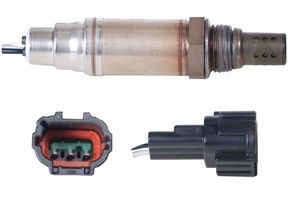
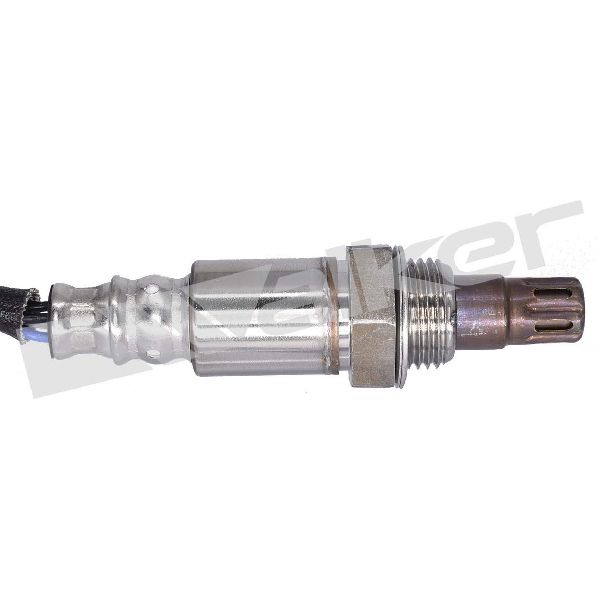
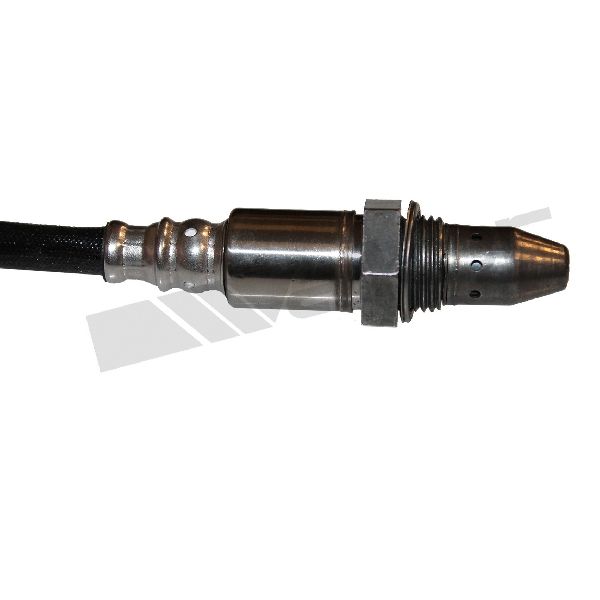
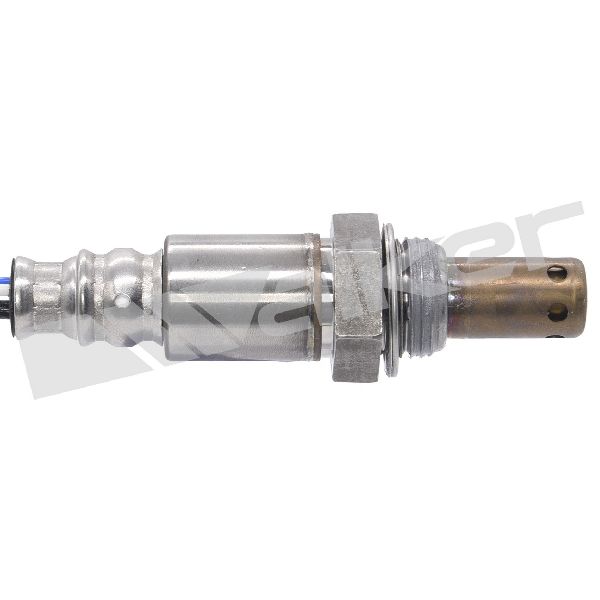
Oxygen sensors for the 1998-2013 Nissan Frontier come in upstream (Air/Fuel Ratio) and downstream (Heated) types. The connectors and wire lengths are specific to the location, so it is critical to match the part to your vehicle's VIN, engine size, and sensor position. A 7/8 inch (22mm) oxygen sensor socket is typically required for removal and installation.
We Have This Part in Stock


The information in this article is provided for general reference and educational purposes only. Vehicle specifications, procedures, and part compatibility can vary by production date, trim level, and region. Always consult your vehicle's factory service manual and verify part numbers before purchasing or performing repairs. Safety-critical components such as airbags, seat belts, and braking systems should be installed by a qualified professional.
- Nissan Frontier:
- 🎬 Helpful Videos
- 🛍️ Shop This Part
- Understanding Oxygen Sensor Failure in Your Frontier
- Common Symptoms of a Bad Oxygen Sensor
- Check Engine Light Codes
- Finding the Right Sensor for Your Truck
- Choosing an Aftermarket Oxygen Sensor Brand
- A Note on Technical Service Bulletins (TSBs)
- How Much Does a New Oxygen Sensor Cost?
- Frequently Asked Questions
- 🎟️ Get 5% Off