

Subaru Forester (1998-2013) Automatic Transmission Mount Replacement Guide
Eliminate clunking noises and excessive vibration by understanding when and how to replace your Forester's transmission mount.
- Symptoms include clunking noises when shifting, increased cabin vibration, and jerky acceleration.
- Driving with a failed mount is possible but can cause damage to other drivetrain components over time.
- Aftermarket brands like Anchor and DEA are affordable but may have a shorter lifespan and poorer vibration damping than OEM parts.
- The replacement is a common DIY job that takes about an hour with standard tools.
Is a Failing Transmission Mount a Serious Problem?
A worn-out automatic transmission mount on a Subaru Forester can cause a range of issues, from annoying noises to potential damage to other parts. When the rubber in the mount cracks, tears, or becomes saturated with leaking fluids, it can no longer properly support the transmission. This allows for excessive movement, which can lead to clunking sounds, vibrations felt in the cabin, and even rough shifting. While you can usually still drive the vehicle, ignoring the problem can put extra stress on the engine mounts, axles, and driveshaft, potentially leading to more expensive repairs down the road.
Common Symptoms of a Bad Transmission Mount
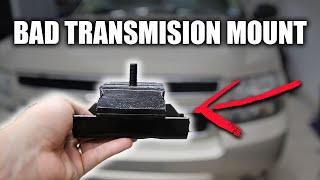
🎬 Watch this guide to help diagnose your bad transmission mount.- Clunking or Thudding Noises: Often heard when shifting gears (especially into reverse), accelerating, or braking suddenly.
- Increased Vibration: A new, noticeable vibration felt in the steering wheel, floor, or seats, particularly while idling or driving.
- Jerky or Rough Shifting: The transmission's movement can disrupt the angle of the shifter linkage, making gear changes feel harsh or difficult.
- Excessive Engine Movement: A visual check under the hood might reveal the engine and transmission moving more than usual when shifting between drive and reverse (with the brakes applied).
Choosing an Aftermarket Replacement: OEM vs. Aftermarket
When replacing the transmission mount on your Forester, you have two main options: a genuine Subaru (OEM) part or an aftermarket part from brands like Anchor or DEA.
OEM (Original Equipment Manufacturer): A genuine Subaru mount is guaranteed to fit perfectly and is made from materials specified by the factory. This is often the best choice for longevity and maintaining the original ride quality. However, it is also the most expensive option.
Aftermarket (Anchor, DEA): Aftermarket brands offer a much more affordable alternative. However, the quality can be inconsistent. Forum discussions and mechanic reviews often suggest that budget aftermarket mounts may use harder rubber compounds that transmit more vibration into the cabin or softer compounds that wear out faster than the original part. Some users have also reported fitment issues with aftermarket mounts, requiring adjustments during installation. For a daily-driven vehicle, a quality aftermarket part can be a good value, but an OEM part is generally recommended for those who want the best possible performance and durability.
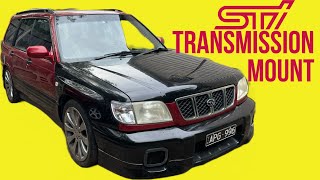
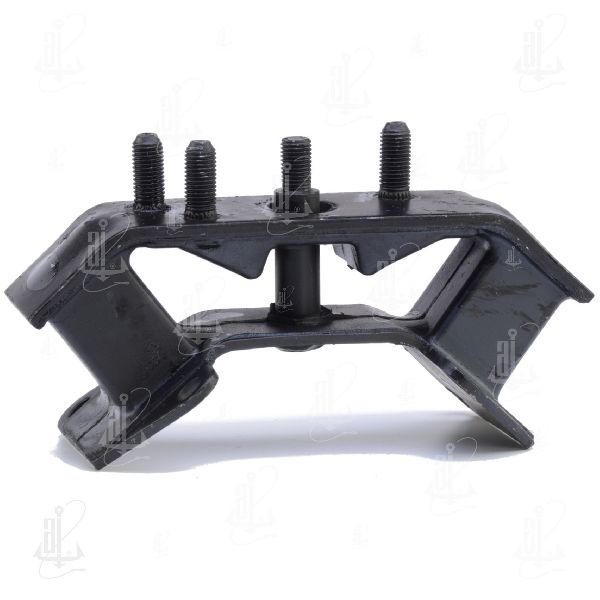
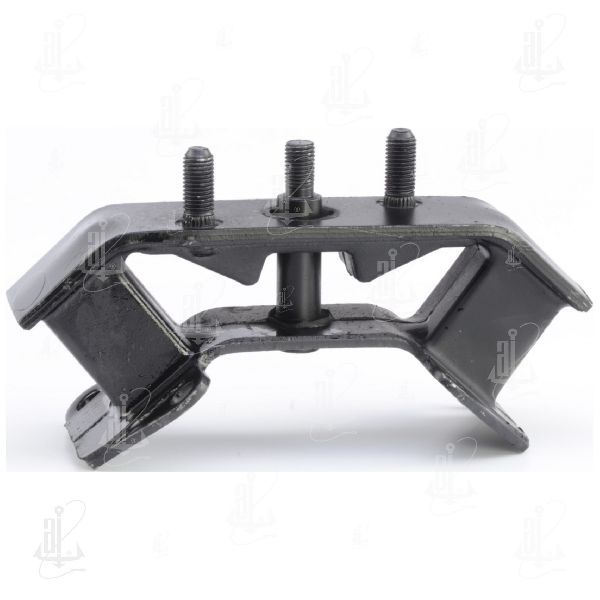
🎬 Learn about upgrading to a heavy-duty STi transmission mount.Pro Tip: Before ordering, visually inspect your current mount. During the 1998-2013 production run, Subaru changed the design from a 4-stud to a 3-stud mount. While they are noted to be interchangeable, confirming your existing setup can prevent surprises.
Cost to Replace a Subaru Forester Transmission Mount
The cost of replacement varies based on the parts you choose and whether you perform the labor yourself. The job is considered feasible for a DIY mechanic with the right tools.
| Item | Estimated Cost |
|---|---|
| New OEM Part | $80 - $150 |
| New Aftermarket Part | $47.76 - $60.57 |
| Shop Labor | $100 - $200 |
Frequently Asked Questions
Can I drive my Forester with a bad transmission mount?
Yes, but it is not recommended for long periods. Driving with a broken mount can cause drivability issues and may lead to damage to other components like engine mounts, exhaust pipes, and drivetrain parts due to excessive movement. It's best to have it replaced as soon as you notice symptoms.
How do I know if it's the transmission mount and not an engine mount?
The symptoms are very similar and often a failed mount on one end (engine or transmission) will accelerate wear on the others. A clunking noise that is most prominent when shifting into gear often points towards the transmission mount. A mechanic can perform a definitive diagnosis by safely jacking up the vehicle and using a pry bar to check for excessive play in the mount.
Are there any recalls for the 1998-2013 Forester transmission mount?
No, there are no specific recalls for the transmission mount itself. There was a recall for an internal transmission parking rod on some older models, but this is unrelated to the mount. Likewise, Technical Service Bulletins (TSBs) for this period generally relate to CVT programming or other internal transmission issues, not the mount.
How difficult is it to replace the transmission mount myself?
For a DIYer with a good set of tools, including a floor jack, jack stands, and metric sockets, the replacement is straightforward. The basic process involves supporting the transmission with a jack, unbolting the crossmember, and then unbolting the old mount from the transmission. It typically takes about an hour.
🎬 See how to remove the mount on a 2012 Forester.Helpful Videos
Technical Specifications
OEM Part Numbers: 41022AE121 41022AC150 41022AE120
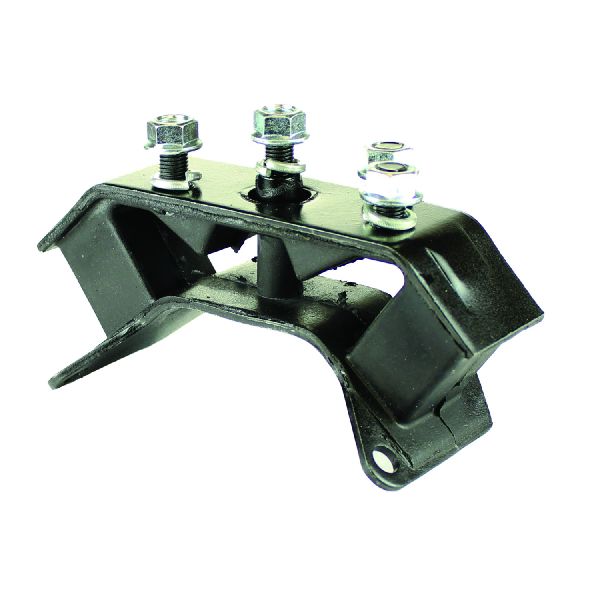
Fits 1998-2013 Subaru Forester with automatic transmission. Mount design may be 3-stud or 4-stud, but they are interchangeable. Composed of a steel or aluminum frame with a rubber or polyurethane bushing.
We Have This Part in Stock

The information in this article is provided for general reference and educational purposes only. Vehicle specifications, procedures, and part compatibility can vary by production date, trim level, and region. Always consult your vehicle's factory service manual and verify part numbers before purchasing or performing repairs. Safety-critical components such as airbags, seat belts, and braking systems should be installed by a qualified professional.
- Subaru Forester: